
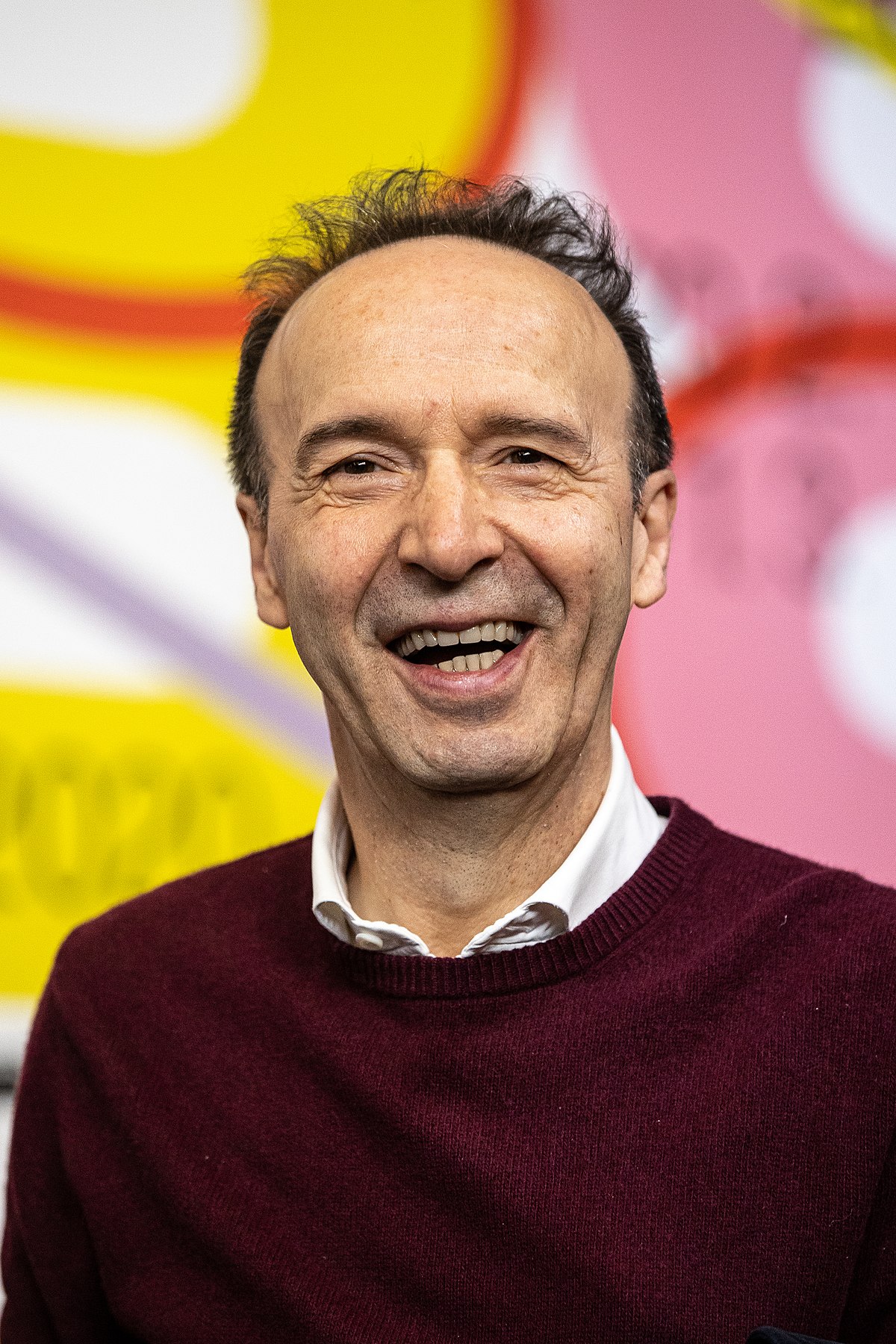
Roberto Benigni, an Italian actor, comedian, screenwriter, and director, has captivated audiences worldwide with his exuberant personality and profound talent. Born on October 27, 1952, in Misericordia, Arezzo, Benigni’s journey from a small-town boy to an internationally acclaimed artist is a testament to his passion, creativity, and relentless pursuit of excellence. This article delves into the life, achievements, and legacy of Roberto Benigni, providing detailed insights and exploring the nuances of his illustrious career.
Early Life and Formative Years
Roberto Benigni was born to Luigi Benigni, a farmer and carpenter, and Isolina Papini, a fabric maker. His family moved to Vergaio, a small village in Prato, Tuscany, when he was young. Benigni’s early years were marked by his vibrant personality and infectious sense of humor. He displayed an innate ability to entertain, often performing impromptu comedy routines for family and friends.
Benigni’s formal education was unremarkable, as his true interests lay in the performing arts. He left school at a young age to pursue his passion for acting, joining local theater groups and participating in various productions. His early exposure to the stage laid the foundation for his future career in entertainment.
The Rise to Fame
Roberto Benigni’s career took a significant turn in the mid-1970s when he collaborated with director Giuseppe Bertolucci on the monologue “Cioni Mario di Gaspare fu Giulia.” This performance, staged at the Teatro Alberichino in Rome, was a critical success and showcased Benigni’s unique comedic style. The monologue was later adapted into the film “Berlinguer ti voglio bene” (1977), which solidified Benigni’s reputation as a provocative and unconventional talent.
The late 1970s and early 1980s were pivotal for Benigni as he transitioned from theater to television and film. He gained widespread recognition through his appearances on the television show “L’altra domenica,” hosted by Renzo Arbore. His portrayal of a quirky film critic endeared him to audiences and established him as a household name in Italy.
Breakthrough and International Success
Benigni’s breakthrough came in 1983 with his directorial debut, “Tu mi turbi,” a film that showcased his comedic brilliance and directorial prowess. However, it was the 1984 film “Non ci resta che piangere,” co-written and co-directed with Massimo Troisi, that catapulted him to stardom. The film’s blend of humor and historical fantasy resonated with audiences, making it a cult classic in Italian cinema.
Throughout the 1980s and 1990s, Benigni continued to make a name for himself with a series of successful films. “Il piccolo diavolo” (1988), co-starring Walter Matthau, and “Johnny Stecchino” (1991), in which he played dual roles, were both critical and commercial hits. These films demonstrated Benigni’s versatility as an actor and director, solidifying his status as one of Italy’s most beloved entertainers.
La Vita è Bella: A Cinematic Masterpiece
Roberto Benigni’s most significant achievement came with the 1997 film “La vita è bella” (Life is Beautiful). Co-written, directed, and starring Benigni, the film is a poignant and heartwarming tale set against the backdrop of the Holocaust. Benigni’s portrayal of Guido Orefice, a Jewish-Italian father who uses humor and imagination to shield his son from the horrors of a concentration camp, earned him international acclaim.
“La vita è bella” was a critical and commercial success, winning numerous awards, including three Academy Awards: Best Foreign Language Film, Best Actor for Benigni, and Best Original Score. Benigni’s exuberant acceptance speech, during which he famously walked across the backs of theater seats, remains one of the most memorable moments in Oscar history. The film’s success cemented Benigni’s reputation as a master storyteller capable of blending comedy and tragedy in a profoundly moving way.
Later Career and Continued Success
Following the success of “La vita è bella,” Roberto Benigni continued to work on a variety of projects, showcasing his versatility and creative vision. In 2002, he directed and starred in “Pinocchio,” an ambitious adaptation of Carlo Collodi’s classic tale. Although the film received mixed reviews, it was a commercial success and demonstrated Benigni’s dedication to bringing beloved stories to life.
In 2005, Benigni returned to the theme of love and war with “La tigre e la neve” (The Tiger and the Snow). The film, set against the backdrop of the Iraq War, explored themes of love, hope, and resilience. Despite its heavy subject matter, Benigni’s signature blend of humor and heart made the film a poignant and uplifting experience.
Personal Life and Collaborations
Roberto Benigni’s personal life has been closely intertwined with his professional career. In 1991, he married actress Nicoletta Braschi, who has been his muse and collaborator in many of his films. Their partnership, both on and off-screen, has been a defining aspect of Benigni’s career, contributing to the depth and authenticity of his work.
Throughout his career, Benigni has worked with a diverse array of actors and directors, both in Italy and internationally. His collaborations with renowned filmmakers such as Federico Fellini, Jim Jarmusch, and Blake Edwards have showcased his ability to adapt to different styles and genres, further cementing his reputation as a versatile and talented performer.
Cultural and Literary Contributions
In addition to his work in film and television, Roberto Benigni has made significant contributions to Italian culture and literature. He is known for his passionate recitations of Dante Alighieri’s “Divine Comedy,” which he has performed in theaters, universities, and public squares across Italy. These performances, often delivered from memory, have been lauded for their emotional depth and theatrical flair.
Benigni’s dedication to promoting Italian literature and culture extends beyond his recitations of Dante. He has been an advocate for the preservation and appreciation of Italy’s rich artistic heritage, using his platform to raise awareness and inspire future generations.
Honors and Awards
Roberto Benigni’s contributions to the arts have been recognized with numerous honors and awards throughout his career. In addition to his Academy Awards, he has received multiple David di Donatello Awards, Italy’s highest film honor, as well as the prestigious Golden Lion for Lifetime Achievement at the Venice Film Festival in 2021.
His impact on Italian cinema and culture has also been acknowledged through various honorary degrees and accolades from institutions worldwide. These honors reflect Benigni’s enduring influence and his ability to connect with audiences through his unique blend of humor, heart, and humanity.
The Legacy of Roberto Benigni
Roberto Benigni’s legacy is one of joy, laughter, and profound emotional connection. His ability to blend comedy with poignant storytelling has resonated with audiences around the world, making him one of Italy’s most beloved and respected artists. Benigni’s work transcends cultural and linguistic barriers, speaking to universal themes of love, hope, and the resilience of the human spirit.
As an actor, director, and comedian, Benigni has left an indelible mark on the entertainment industry. His films continue to be celebrated for their creativity, originality, and emotional depth. Beyond his cinematic achievements, Benigni’s contributions to literature, culture, and public discourse have enriched the lives of countless individuals.
Conclusion
Roberto Benigni’s journey from a small village in Tuscany to the global stage is a testament to his talent, passion, and unwavering commitment to his craft. His work has brought laughter and tears to audiences worldwide, and his influence on cinema and culture will be felt for generations to come. Benigni’s legacy is a celebration of life, love, and the power of storytelling to connect and inspire.
As we reflect on his remarkable career, we are reminded of the joy and wonder that Roberto Benigni has brought into our lives. His films, performances, and cultural contributions continue to inspire and uplift, reminding us of the beauty and resilience of the human spirit. In celebrating Roberto Benigni, we celebrate the enduring power of art and the profound impact of a life dedicated to creativity and expression.


