
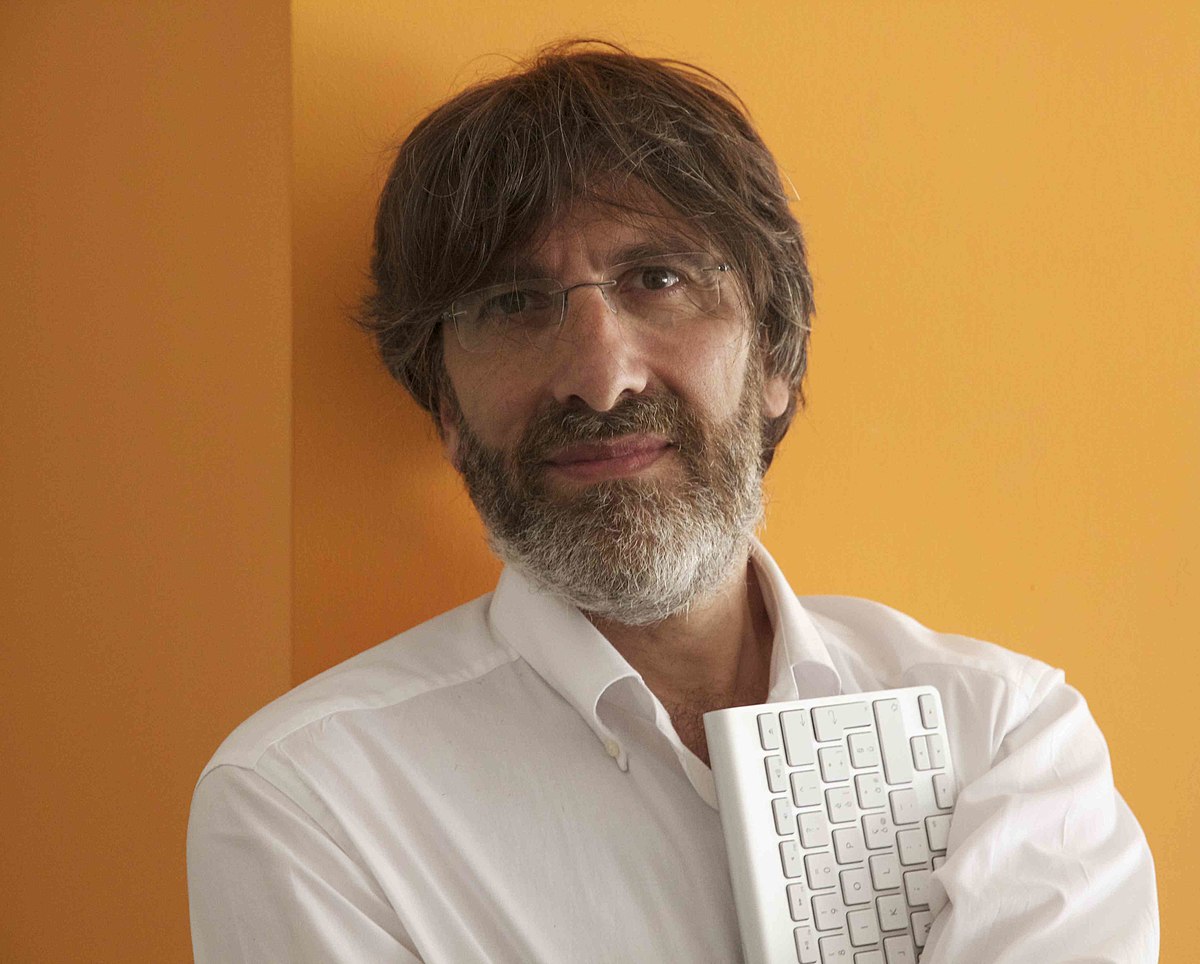
Early Life and Background
Roberto Cotroneo was born on May 10, 1961, in Alessandria, Piedmont, Italy. Raised in a region known for its rich literary traditions, Cotroneo developed a deep appreciation for literature and the arts from a young age. This early exposure would later shape his career as a writer, journalist, and critic, making him one of the most respected voices in contemporary Italian culture.
Cotroneo’s educational background is grounded in the humanities, and he pursued studies that would allow him to explore his passion for literature. His early career decisions reflect a desire to blend his love for writing with a commitment to cultural critique, leading him into journalism and eventually to a broader role as a cultural commentator.
Early Career in Journalism
In 1985, Cotroneo began his career in journalism at the influential weekly magazine L’Espresso. This opportunity provided him with a platform to engage with Italy’s cultural and literary scenes, allowing him to carve out a niche as a thoughtful and incisive critic. His work at L’Espresso quickly gained attention, and within a few years, he became known for his ability to articulate complex ideas in a clear and accessible manner.
By 1988, Cotroneo expanded his journalistic reach by contributing to Il Sole 24 Ore, Italy’s leading financial newspaper. His writing appeared in the Sunday edition, which was curated by Armando Torno, a prominent figure in Italian journalism. During this period, Cotroneo wrote under the pseudonym Mamurio Lancillotto, a name inspired by a historical figure from the 17th century known for prosecuting the infamous Monaca di Monza. This pseudonym allowed Cotroneo to explore literary themes with a creative and historical flair, adding depth to his critiques.
Literary Debut and Early Publications
Roberto Cotroneo’s first foray into the literary world came in 1991 with the publication of his book All’indice: Sulla cultura degli anni Ottanta (On the Index: The Culture of the 1980s). This work, published by Armando Editore, was a critical exploration of the cultural landscape of the 1980s, offering insights into the literary and artistic movements of the time. The book established Cotroneo as a serious thinker and writer, capable of dissecting the complexities of contemporary culture.
In 1994, Cotroneo continued to build his literary reputation with the publication of Se una mattina d’estate un bambino (If One Summer Morning a Child), a heartfelt letter to his son about the love of books. This work was a reflection on the importance of literature and storytelling, framed as a personal dialogue between a father and son. The book resonated with readers, further establishing Cotroneo’s voice as one that could bridge the personal with the universal.
Collaboration with Major Italian Publishers
Cotroneo’s growing reputation led to collaborations with some of Italy’s most prestigious publishing houses. In 1995, he began working with Mondadori, one of the country’s largest publishers, to release his novel Presto con fuoco (Quickly with Fire). This novel showcased Cotroneo’s narrative abilities and his skill in crafting compelling stories. That same year, he also published La diffidenza come sistema (Distrust as a System), a critical essay on the narrative techniques of Umberto Eco, one of Italy’s most renowned authors. This work underscored Cotroneo’s deep understanding of literary theory and his ability to engage with complex texts.
Throughout the late 1990s, Cotroneo continued to publish both fiction and non-fiction. His second novel, Otranto, released in 1997 by Mondadori, explored themes of history, memory, and identity. The following year, he contributed a significant essay, La ferita indicibile (The Unspeakable Wound), to the prestigious Meridiani series dedicated to Giorgio Bassani, a major figure in Italian literature. Cotroneo’s essay reflected his ongoing engagement with Italy’s literary heritage and his ability to connect historical context with contemporary issues.
Transition into the 2000s: Expanding Literary Horizons
The turn of the millennium marked a period of prolific output for Roberto Cotroneo. In 2002, he published Per un attimo immenso ho dimenticato il mio nome (For a Moment, I Immensely Forgot My Name), a novel that explored themes of identity and the nature of reality through the metaphors of mirrors and chess. This novel was a continuation of Cotroneo’s fascination with how individuals perceive themselves and their place in the world.
During this time, Cotroneo also maintained his role as a cultural critic, contributing essays and reviews that examined the works of other prominent figures in Italian and global literature. His 2002 essay Eco: Due o tre cose che so di lui (Eco: Two or Three Things I Know About Him) offered an insightful analysis of Umberto Eco’s narrative style, further solidifying Cotroneo’s status as an expert on contemporary literature.
Cotroneo’s ability to engage with both high culture and popular culture is evident in his 2006 romantic work, Questo amore (This Love), and his involvement in the volume Sean Connery, where he explored the meeting between the actor Sean Connery and Umberto Eco. This eclectic range of interests and outputs demonstrates Cotroneo’s versatility as a writer and thinker.
Contributions to Creative Writing and Cultural Commentary
In addition to his fiction and essays, Roberto Cotroneo has made significant contributions to the field of creative writing. His Manuale di scrittura creativa (Creative Writing Manual), published in 2008, provided ten lessons on the art of writing, blending practical advice with theoretical insights. This manual has been influential in guiding aspiring writers, offering them tools to develop their craft while also encouraging them to think critically about the writing process.
Cotroneo’s engagement with contemporary issues extended to his work on terrorism in Il vento dell’odio (The Wind of Hatred), which traced the history of terrorism from the 1970s to the present day. This book highlighted Cotroneo’s ability to tackle difficult and politically charged topics, bringing a nuanced perspective to complex social issues.
In 2009, Cotroneo’s short stories were collected in Adagio infinito e altri racconti sospesi (Infinite Adagio and Other Suspended Tales), a work that showcased his ability to craft short fiction that is both introspective and evocative. This collection, along with the reissue of Se una mattina d’estate un bambino, which included a new chapter dedicated to Leonardo Sciascia, underscored Cotroneo’s continuing relevance and appeal as a writer.
Foray into Television and Later Works
Roberto Cotroneo’s talents extended beyond the written word. In 2010, he ventured into television by hosting the program La 25esima ora (The 25th Hour) on the Italian network La7. The show, which focused on literature and cultural commentary, allowed Cotroneo to reach a broader audience and to share his insights on a variety of topics in a more dynamic format.
That same year, he co-authored Kami, la missione dell’energia (Kami, the Mission of Energy) with Daniele Tamagni, a work that explored themes of energy and sustainability. This collaboration reflected Cotroneo’s interest in addressing contemporary global issues through a multidisciplinary lens.
In May 2011, Cotroneo released the novel E nemmeno un rimpianto. Il segreto di Chet Baker (And Not Even a Regret: The Secret of Chet Baker), a work that delved into the life of the famous jazz musician. The novel was praised for its lyrical prose and its ability to capture the essence of Baker’s music and troubled life.
Poetry and the Exploration of New Literary Forms
In 2012, Roberto Cotroneo published his first volume of poetry, I demoni di Otranto (The Demons of Otranto). This work marked a new phase in Cotroneo’s literary journey, showcasing his ability to express complex emotions and ideas through verse. The poems, inspired by the history and mythology of Otranto, reflected Cotroneo’s deep connection to the region and his ongoing exploration of the interplay between history, memory, and identity.
Cotroneo continued to push the boundaries of literary form with his 2013 work Tweet di un discorso amoroso (Tweets of a Love Discourse), a collection of short, reflective pieces that blended the brevity of social media with the depth of traditional literary discourse. This work demonstrated Cotroneo’s ability to adapt to new technologies and platforms while maintaining the intellectual rigor that characterized his earlier works.
In the same year, Cotroneo released Betty, a noir novel published by Bompiani. Set on the French island of Porquerolles, the novel is narrated by the legendary Belgian author Georges Simenon and tells the story of a mysterious woman obsessed with his works. The novel was a departure from Cotroneo’s previous writings, showing his versatility as a storyteller and his ability to engage with different genres.
The Art of Writing: Reflections and Instruction
In 2014, Roberto Cotroneo published Il sogno di scrivere (The Dream of Writing), a manual on writing that blended instructional guidance with narrative storytelling. The book offered a unique approach to understanding the creative processes behind writing, making it accessible to both aspiring writers and seasoned authors. Through this work, Cotroneo sought to demystify the act of writing, presenting it as both a craft and an art form that can be honed through practice and reflection.
Legacy and Influence
Roberto Cotroneo’s career as a writer, journalist, and cultural critic has made him a prominent figure in Italian literature and beyond. His work spans a wide range of genres and forms, from novels and essays to poetry and creative writing manuals. Throughout his career, Cotroneo has remained committed to exploring the complexities of human experience, whether through the lens of literature, music, or cultural history.
Cotroneo’s influence extends beyond his written works. As a journalist, he has shaped public discourse on literature and culture in Italy, and his contributions to television have brought his insights to an even broader audience. His creative writing manuals have inspired countless writers to develop their craft, while his novels and essays continue to engage readers with their depth and intellectual rigor.
Conclusion: A Multifaceted Literary Voice
Roberto Cotroneo’s journey from a young journalist in Alessandria to a celebrated author and cultural commentator is a testament to his dedication to the arts and his ability to adapt to changing cultural landscapes. His work reflects a deep understanding of both the historical context and the contemporary issues that shape our world, making him a vital voice in Italian literature and culture.
As Cotroneo continues to write and engage with new forms of media, his legacy as a multifaceted literary figure is secure. His contributions to literature, journalism, and cultural criticism have left an indelible mark on the Italian cultural landscape, and his influence will undoubtedly continue to be felt for generations to come.


