
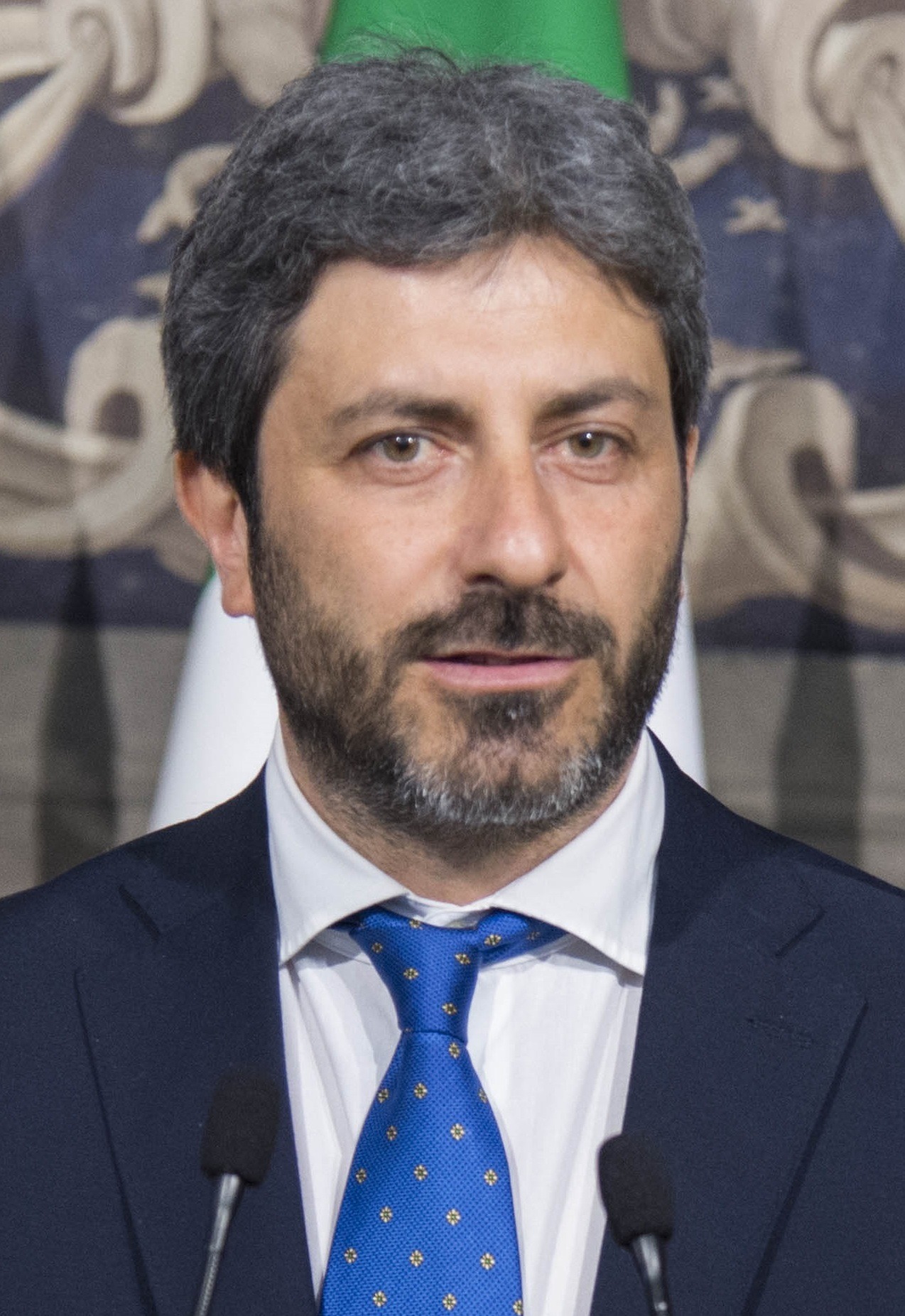
Roberto Fico, a prominent figure in Italian politics, has made significant contributions to his country’s governance and political landscape. Born on October 10, 1974, in Naples, Fico’s journey from a communications student to the President of the Italian Chamber of Deputies is a story of perseverance, dedication, and a deep commitment to social and political change. This article delves into the life of Roberto Fico, exploring his early years, educational background, political career, and the key milestones that have defined his public life.
Early Life and Education
Roberto Fico was born into a family that valued education and intellectual pursuits. After completing his high school education at the prestigious Liceo “Umberto I” in Naples, Fico pursued higher education at the University of Trieste, where he graduated with honors in Communication Sciences. His focus was on mass communication, which would later play a pivotal role in his political career.
Fico’s thirst for knowledge and experience led him to Helsinki, Finland, where he spent a year studying at the Faculty of Social Sciences. During this time, he also worked for the university’s foreign student office, gaining valuable experience in administration and international relations. This period abroad enriched his perspective on global issues and reinforced his commitment to social justice and public service.
Upon returning to Italy, Fico furthered his education by attending a course for editors at literary agencies and publishing houses in Rome. His academic journey continued when he received a scholarship to participate in a public master’s program in Knowledge Management, organized by the Polytechnic University of Palermo, Naples, and Milan. This program allowed him to delve into the management of human capital and the organization of knowledge within the public sector, non-profit organizations, and private enterprises.
Early Career and Activism
Fico’s professional career began in Genoa, where he worked for the central office of Kuoni Gastaldi Tour Spa, a leading travel company. His role involved redesigning the company’s intranet network, showcasing his technical and organizational skills. Shortly after, he was appointed as the head of communication and press office for Fedro Srl, a small business training company based in Rome.
His career also included a stint at Vodafone’s call center and two years as an editor for the humanistic section of “Gruppo Esselibri – Edizioni Simone,” a prominent publishing house. These experiences provided Fico with a solid foundation in communication, media, and public relations, which would prove invaluable in his political career.
The Rise of Roberto Fico in the 2000s
The 2000s marked a turning point in Fico’s life, as he became increasingly involved in political activism. In July 2005, he founded the Naples meet-up group “Friends of Beppe Grillo,” following the directives of the popular Italian comedian and activist Beppe Grillo. This group was a precursor to the formation of the Five Star Movement (Movimento Cinque Stelle, M5S), a political movement that aimed to address issues such as sustainable mobility, waste management, renewable energy, and water resources.
Fico’s dedication to the cause did not go unnoticed. In 2007, he received recognition from the “Senza confini” association for his contributions to creating a participatory culture on the internet. By 2009, Fico had established himself as a freelance professional, focusing on commercial and tourism-related projects while continuing his political activism.
Political Career in the 2010s
Roberto Fico’s political career gained momentum in the 2010s. In 2010, he ran as the M5S candidate for the presidency of the Campania region, although he did not win. The following year, he campaigned for the mayoralty of Naples. Despite these early setbacks, Fico’s perseverance paid off when he was elected to the Italian Parliament in 2013 as a representative of the M5S.
Although he was proposed as a candidate for the presidency of the Chamber of Deputies, the position ultimately went to Laura Boldrini, a member of the Left Ecology Freedom (SEL) party. Nonetheless, Fico’s influence within the M5S continued to grow, and he became a prominent voice within the movement. Despite being a member of parliament, Fico has consistently maintained that he does not consider himself a politician, preferring to be known as a “free citizen.”
The Presidency of the Chamber of Deputies
Roberto Fico’s political career reached its zenith in 2018 when he was elected President of the Italian Chamber of Deputies, one of the highest offices in the Italian government. His election came after the M5S emerged as the largest party in the 2018 general elections, securing Fico’s place as a key figure in Italian politics.
As President of the Chamber of Deputies, Fico has been entrusted with significant responsibilities. On two occasions, in 2018 and 2021, he was tasked by President Sergio Mattarella with conducting exploratory mandates to form a new government during periods of political crisis. These assignments underscored his reputation as a capable and trustworthy leader within the Italian political landscape.
Historical Context and Influence
Roberto Fico’s rise to prominence must be understood within the broader context of Italian politics in the early 21st century. The emergence of the M5S was a response to widespread dissatisfaction with traditional political parties, perceived corruption, and a lack of transparency in government. Fico, as one of the early supporters of the movement, played a crucial role in shaping its identity and policies.
The M5S’s platform, which emphasized direct democracy, environmental sustainability, and anti-corruption measures, resonated with a significant portion of the Italian electorate, particularly among younger voters disillusioned with the status quo. Fico’s background in communication and his commitment to participatory democracy made him an ideal representative of these values.
Fico’s tenure as President of the Chamber of Deputies has also been marked by his efforts to bring greater transparency and accountability to the legislative process. He has advocated for reforms aimed at reducing the influence of lobbyists, increasing citizen participation in decision-making, and ensuring that the Italian parliament operates in a more open and accessible manner.
Personal Life and Interests
Despite his high-profile political career, Roberto Fico has managed to keep his personal life relatively private. He is known for his modest lifestyle and has often spoken about the importance of staying connected to the everyday experiences of ordinary citizens. Fico’s commitment to social justice and his belief in the power of community are evident in both his public and private life.
Fico is also an advocate for environmental sustainability, a passion that aligns with the core principles of the M5S. He has been involved in various initiatives aimed at promoting renewable energy, reducing waste, and protecting natural resources. His commitment to these causes reflects his broader belief in the need for a more sustainable and equitable world.
Legacy and Future Prospects
As of now, Roberto Fico’s legacy is still being written. However, his contributions to Italian politics, particularly through his role in the M5S and his tenure as President of the Chamber of Deputies, have already left a lasting impact. His leadership during critical moments in Italy’s recent history, including his role in government formation during political crises, has demonstrated his capability and dedication to public service.
Looking ahead, Fico is likely to continue playing a significant role in Italian politics. His experience, coupled with his commitment to the principles of transparency, accountability, and social justice, positions him as a leader who can navigate the complexities of contemporary governance while remaining true to the ideals that have defined his career.
Conclusion
Roberto Fico’s journey from a young student in Naples to one of the most influential figures in Italian politics is a testament to his determination, intelligence, and commitment to public service. His life and career offer valuable insights into the dynamics of modern Italian politics and the potential for meaningful change through dedicated activism and leadership.
As Italy continues to face challenges on both the national and global stage, leaders like Fico, who prioritize the common good and advocate for a more transparent and participatory democracy, will be crucial in shaping the country’s future. Roberto Fico’s story is not just one of personal achievement but also a reflection of the broader political and social currents that have shaped Italy in the 21st century.


