
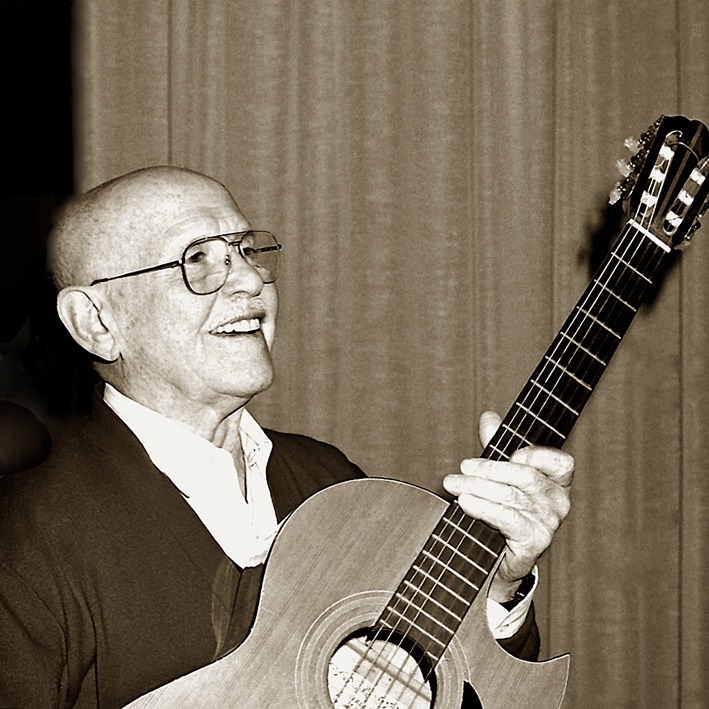
Roberto Murolo, an iconic figure in the world of Italian music, is widely regarded as one of the most influential interpreters of Neapolitan song. Born on January 19, 1912, in Naples, Italy, Murolo’s life was a symphony of music, culture, and tradition. His journey from the vibrant streets of Naples to becoming a revered artist is a story that resonates with passion, resilience, and a deep connection to his roots. This article provides a comprehensive look at Roberto Murolo’s age, rise to fame, and the key milestones that shaped his illustrious career.
Early Life and Musical Beginnings
Roberto Murolo was born into a family steeped in the rich cultural heritage of Naples. His father, Ernesto Murolo, was a well-known poet and lyricist who penned several classic Neapolitan songs, including “Napule ca se ne va” and “Piscatore e Pusilleco.” Growing up in such an environment, it was almost inevitable that Roberto would develop a profound love for music.
From a young age, Murolo was exposed to the artistic milieu that frequented his family’s home. Esteemed poets and writers, such as Salvatore Di Giacomo and Raffaele Viviani, were regular visitors, and their influence left an indelible mark on the young Roberto. He began learning to play the guitar under the tutelage of a private instructor, laying the foundation for what would become a lifelong passion.
The Formation of Mida Quartet and European Tours
Before fully committing to a career in music, Murolo briefly worked for a gas company, all while nurturing his passion for swimming. His athletic prowess was evident when he won the national university swimming championships, receiving an award from Mussolini himself in Piazza Venezia.
However, it was music that ultimately captured Murolo’s heart. In the late 1930s, he founded the Mida Quartet, a group named after the initials of its members: E. Diacova, A. Arcamone, and A. Imperatrice, along with Murolo. Despite his father’s preference for traditional Neapolitan music, Murolo was drawn to the rhythms of American music. The Mida Quartet was heavily influenced by the Mills Brothers, a popular American jazz and pop vocal group, and they incorporated these influences into their performances.
From 1938 to 1946, the Mida Quartet toured Europe, performing in countries such as Germany, Bulgaria, Spain, Hungary, and Greece. These tours not only honed Murolo’s musical talents but also exposed him to a variety of musical styles and cultures, enriching his artistic expression.
Post-War Career and the Rise of a New Musical Style
After World War II, Roberto Murolo returned to Italy and began performing at the Tragara Club in Capri. At this time, Neapolitan musicians were divided between the Arab-Mediterranean style of Sergio Bruni and the 19th-century Neapolitan songwriting tradition. Murolo, however, carved out a new path. He chose to focus on his warm, caressing voice and adopted a style reminiscent of French chansonniers. This decision marked the beginning of a period of great success for Murolo.
His early recordings, released as 78 RPM records, became popular on the radio, and Murolo began to gain recognition. He also ventured into the film industry, appearing in movies like “Catene” and “Tormento” by Raffaello Matarazzo, and “Saluti e baci,” where he starred alongside notable artists such as Yves Montand and Gino Latilla.
Controversy and Temporary Retreat
Despite his rising fame, Murolo’s career was abruptly interrupted in 1954 when he was accused of inappropriate behavior involving a young boy. Although the charges were eventually proven false, the scandal had a profound impact on Murolo’s life and career. He chose to withdraw from the public eye, retreating to his home in Vomero, where he lived with his sister.
During this period of isolation, Murolo did not abandon his love for music. Instead, he delved deeper into the study of Neapolitan song, exploring its rich history and traditions. This period of introspection and research culminated in the release of “Napoletana: Antologia cronologica della canzone partenopea,” a 12-volume anthology of Neapolitan music, published between 1963 and 1965. This work is considered one of the most comprehensive collections of Neapolitan songs and solidified Murolo’s reputation as a master of the genre.
Revival and Collaboration with Renowned Artists
The late 1960s and early 1970s marked a revival in Murolo’s career. He released four monographic albums dedicated to the works of prominent Neapolitan poets, including Salvatore Di Giacomo, Ernesto Murolo, Libero Bovio, and Raffaele Viviani. These albums were a tribute to the literary giants who had influenced his early years and showcased Murolo’s deep appreciation for the poetic traditions of Naples.
Although Murolo took a brief hiatus from recording in the mid-1970s, he continued to perform in concerts. In the 1990s, he made a triumphant return to the recording studio, releasing the album “Na voce e na chitarra” in 1990. This album featured Murolo’s interpretations of songs by other artists, including “Caruso” by Lucio Dalla, “Spassiunatamente” by Paolo Conte, and “Lazzari felici” by Pino Daniele. The album was a critical and commercial success, introducing Murolo to a new generation of listeners.
In 1992, to celebrate his 80th birthday, Murolo released “Ottantavoglia di cantare,” an album that featured collaborations with some of Italy’s most celebrated artists. The album included a duet with Mia Martini on the track “Cu’mmè” and a collaboration with Fabrizio De André on “Don Raffaé,” a song that addresses the complex relationship between a prison guard and a mafia boss. These collaborations brought Murolo back into the spotlight and reaffirmed his status as a legendary figure in Italian music.
Later Years and Final Performances
In the years that followed, Roberto Murolo continued to produce music and collaborate with other artists. In 1993, he worked with Enzo Gragnaniello and Mia Martini on the album “L’Italia è bbella,” which celebrated the beauty and diversity of Italy’s musical traditions.
Murolo’s final album, “Ho sognato di cantare,” was released in 2002. This album, which featured 12 love songs composed by Neapolitan artists such as Daniele Sepe and Enzo Gragnaniello, was a fitting conclusion to a career that had spanned more than six decades. That same year, Murolo made his last public appearance at the Sanremo Music Festival, where he was honored for his contributions to Italian music.
The Legacy of Roberto Murolo
Roberto Murolo passed away on the night of March 13-14, 2003, at his home in Vomero. His death marked the end of an era in Neapolitan music, but his legacy lives on. Murolo’s extensive body of work, including his recordings, performances, and scholarly contributions to the preservation of Neapolitan song, continues to inspire musicians and music lovers around the world.
Murolo’s influence on Neapolitan music cannot be overstated. He was instrumental in preserving and promoting the rich musical heritage of Naples, ensuring that the songs of his homeland would be passed down to future generations. His work has been recognized with numerous awards, including the title of Grande Ufficiale of the Italian Republic for artistic merits.
Conclusion: The Voice of Naples
Roberto Murolo’s life was a journey of passion, resilience, and unwavering dedication to his craft. From his early days as a young guitarist in Naples to his later years as a celebrated artist, Murolo’s contributions to music have left an indelible mark on the world. His voice, warm and evocative, remains synonymous with the timeless beauty of Neapolitan song.
As we reflect on the life and career of Roberto Murolo, it is clear that he was more than just a musician; he was a cultural ambassador for Naples and its rich musical traditions. His work continues to resonate with audiences today, a testament to the enduring power of his music and the lasting impact of his legacy.


