
Introduction
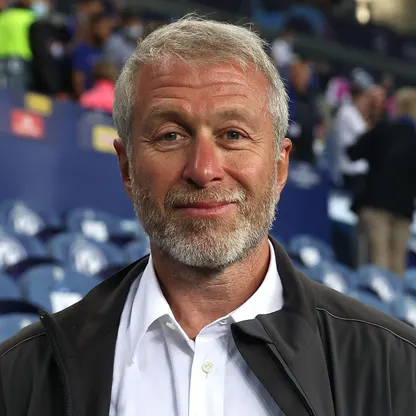
Roman Abramovich, born on October 24, 1966, in Saratov, Russia, is a prominent billionaire, investor, and politician known for his extensive influence in the business world and ownership of Chelsea Football Club. His journey from an orphan in Soviet Russia to one of the wealthiest individuals globally is a story of resilience, strategic acumen, and immense success. This article delves into his life, business ventures, and significant milestones that have defined his remarkable career.
Early Life and Education
Roman Abramovich’s early life was marked by tragedy and hardship. He lost his mother when he was just 18 months old, and his father died in a construction accident when he was four. As an orphan, Abramovich was raised by his uncles, first in the oil-rich region of Komi and later in Moscow.
Academic and Military Background
Abramovich attended the Industrial Technical School in Uchta before joining the Soviet Army. This period of his life provided him with a disciplined foundation and a strong work ethic, which would later prove crucial in his entrepreneurial ventures.
Entrepreneurial Beginnings
The late 1980s, during Mikhail Gorbachev’s perestroika reforms, presented opportunities for small private enterprises in the Soviet Union. Abramovich seized these opportunities to start his business career.
Early Business Ventures
Abramovich’s initial forays into business included selling plastic toys and running a cooperative that produced and sold consumer goods. His big break came in the oil industry with the founding of Runicom, a company specializing in the trading of oil and petroleum products. His sharp business instincts and ability to navigate the volatile market conditions of the time laid the groundwork for his future success.
Rise to Fame and Fortune
The 1990s were transformative for Abramovich. The privatization of state-owned industries in Russia allowed him to amass significant wealth through strategic investments and acquisitions.
Acquisition of Sibneft
In 1995, Abramovich partnered with Boris Berezovsky to acquire a controlling stake in Sibneft, one of Russia’s major oil companies. This acquisition, initially costing them a fraction of the company’s later value, became a cornerstone of Abramovich’s wealth. By leveraging loans and acquiring shares, they significantly increased the company’s value, making Abramovich one of Russia’s wealthiest individuals.
Expansion into Other Industries
Apart from oil, Abramovich diversified his investments. He acquired stakes in Aeroflot, Russia’s national airline, and became a significant player in the aluminum industry through his involvement with Trans World Group and later Rusal, one of the largest aluminum producers in the world.
Relationship with the Kremlin
Roman Abramovich’s relationship with the Russian government, particularly during Vladimir Putin’s presidency, played a crucial role in his business dealings. While many oligarchs faced pressure and exile, Abramovich maintained a more favorable relationship with the Kremlin.
Political Involvement
In 1999, Abramovich was elected as a deputy to the State Duma, representing Chukotka, a remote and impoverished region in northeastern Russia. His involvement in politics extended to becoming the governor of Chukotka in 2000, where he invested significantly in the region’s development, improving living conditions and infrastructure.
Contributions to Chukotka
Abramovich’s tenure as governor saw substantial personal investments in Chukotka. He financed healthcare initiatives, educational programs, and infrastructure projects, significantly improving the quality of life for the region’s residents. His philanthropic efforts in Chukotka earned him both praise and scrutiny, as some questioned his motives.
International Investments and Chelsea FC
In 2003, Abramovich made headlines worldwide with his acquisition of Chelsea Football Club. This purchase not only transformed the club into a powerhouse in European football but also elevated Abramovich’s international profile.
Chelsea Football Club
Under Abramovich’s ownership, Chelsea FC experienced unprecedented success. His substantial financial investments enabled the club to acquire top talent and win numerous titles, including Premier League championships and the UEFA Champions League. His commitment to the club went beyond financial support, as he actively participated in its strategic decisions.
Other International Investments
Abramovich’s investment portfolio extends beyond football. He has significant holdings in various industries, including steel, mining, and technology. His company, Millhouse Capital, manages his extensive business interests globally, ensuring continuous growth and diversification of his wealth.
Personal Life and Philanthropy
Roman Abramovich’s personal life has been the subject of media scrutiny, particularly his marriages and family life. He has been married three times and has seven children.
Marriages and Children
Abramovich’s first marriage to Olga Yurevna Lysova lasted from 1987 to 1990. He then married Irina Malandina in 1991, with whom he had five children: Ilya, Arina, Sofia, Arkadiy, and Anna. The couple divorced in 2007, in what was speculated to be one of the most expensive divorce settlements at the time. In 2008, he married Daria Zhukova, with whom he had two children, Aaron Alexander and Leah Lou. They separated in 2017.
Philanthropic Efforts
Abramovich is known for his philanthropic activities, particularly in the Jewish community and Israel. He has donated millions to various causes, including healthcare, education, and cultural projects. His contributions reflect his commitment to giving back to society and supporting initiatives that make a positive impact.
Luxury Lifestyle
Roman Abramovich’s wealth affords him a luxurious lifestyle, characterized by high-end properties, yachts, and private jets. His collection of luxury assets is one of the most impressive among the world’s billionaires.
Yachts and Properties
Abramovich owns several luxury yachts, including the Pelorus and the Eclipse. The Eclipse, once the largest private yacht in the world, boasts numerous amenities, including a submarine and missile defense system. His real estate portfolio includes properties in London, France, and New York, reflecting his taste for prime locations and opulent living.
Art Collection
An avid art collector, Abramovich has acquired works from some of the most renowned artists. His collection includes pieces by Picasso, Francis Bacon, and Lucian Freud. His investment in art not only signifies his personal interest but also represents a strategic diversification of his wealth.
Challenges and Controversies
Roman Abramovich’s journey to the top has not been without challenges and controversies. His business practices and political connections have often been scrutinized, both in Russia and internationally.
Legal Issues and Sanctions
Throughout his career, Abramovich has faced various legal challenges, including accusations of corruption and business malpractices. His close ties with the Kremlin have also made him a subject of international sanctions and scrutiny, particularly in the context of geopolitical tensions between Russia and the West.
Financial Transparency
The complexity of Abramovich’s business empire has raised questions about financial transparency. While his wealth is undeniable, the opaque nature of his holdings and transactions has led to ongoing debates about the sources and sustainability of his fortune.
Legacy and Influence
Roman Abramovich’s impact on the business world and global sports is significant. His strategic investments and innovative business practices have set new benchmarks in various industries.
Influence in Football
Abramovich’s ownership of Chelsea FC revolutionized the football club ownership model. His willingness to invest heavily in player acquisitions and infrastructure set a precedent for other wealthy individuals to enter the football arena, transforming it into a more competitive and lucrative industry.
Contributions to Business Practices
Abramovich’s business acumen and strategic investments have influenced contemporary business practices, particularly in the energy and commodities sectors. His ability to navigate complex markets and political landscapes serves as a case study for aspiring entrepreneurs and business leaders.
Conclusion
Roman Abramovich’s life is a testament to the possibilities of resilience, strategic thinking, and adaptability. From his humble beginnings as an orphan in Soviet Russia to becoming one of the world’s richest and most influential individuals, Abramovich’s journey is marked by significant achievements and contributions to various fields.
His legacy is multifaceted, encompassing business, sports, philanthropy, and luxury. As a billionaire with a profound impact on global markets and industries, Abramovich’s story continues to inspire and intrigue. His influence will undoubtedly be felt for generations to come, shaping the future of business and beyond.


