
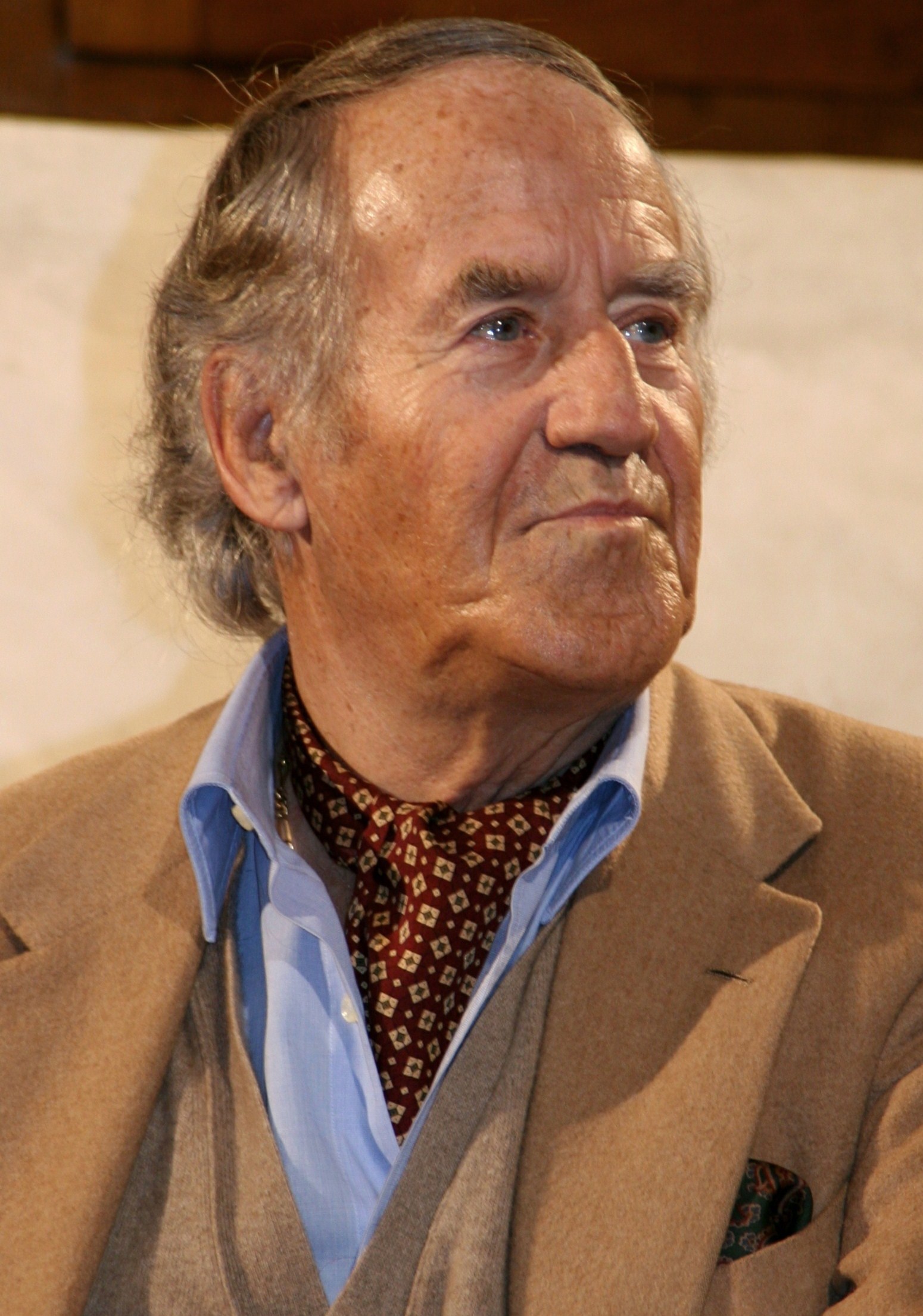
Romano Battaglia, born on July 31, 1933, in Marina di Pietrasanta (Lucca), Italy, was a distinguished journalist, writer, and painter. His life and career spanned several decades, during which he made significant contributions to journalism, literature, and the arts. This article explores the life highlights of Romano Battaglia, delving into his achievements, contributions, and the legacy he left behind.
Early Life and Career Beginnings
Romano Battaglia’s passion for storytelling began early. At the age of 18, he started writing for a local newspaper, marking the inception of a prolific career in journalism. His talent and dedication soon bore fruit, and by the age of 23, he had won a competition by Rai, Italy’s national public broadcasting company. This victory paved the way for his initial work in radio, and subsequently, television.
Achievements in Journalism
As a journalist, Romano Battaglia had a career that was both extensive and illustrious. He served as a special correspondent for Rai, traveling the world to report on diverse stories. One of his notable works during this period was a documentary titled “Dalle Ande all’Himalaya,” created in collaboration with Antonio Cifariello, which explored the Italian labor force across various countries.
Battaglia’s expertise and engaging style made him a prominent figure in cultural programs and television magazines. He was involved in several successful TV shows, including “Tv 7,” “Cronache Italiane,” “TG l’una,” “A nord a sud,” and “Bell’Italia.” His ability to connect with audiences and present stories in a compelling manner earned him widespread recognition.
Literary Contributions and Awards
Romano Battaglia was not just a journalist but also a prolific writer. His literary works spanned poetry, prose, and children’s literature, earning him numerous awards and accolades. Some of his notable works and their achievements include:
- “Lettere dal domani”: This work won the Premio Bancarellino and was adapted into an opera, a theatrical performance, and a music album.
- “Il paese dei burattini”: Finalist in the XVIII edition of the Premio Bancarellino.
- “Il giardino dei pensieri bambini”: Premio selezione Bancarellino 1979.
- “Pesce lucente”: Won the Premio Internazionale Andersen for the best children’s fairy tale.
Battaglia also wrote three significant poetry collections: “Il ragazzo di sughero,” “L’uomo che piangeva al rovescio,” and “Tornare di sera,” the latter winning the international Poetry Prize of the City of Piacenza.
His series of books starting with “Lettere al direttore” included titles like “Nuove lettere al direttore,” “Le più belle lettere al direttore,” and “Ultime lettere al direttore.” These books, which chronicled the stories and letters of ordinary Italians, were adapted into radio and theatrical performances, highlighting his ability to capture and present human experiences poignantly.
Recognition and Honors
Romano Battaglia’s contributions to literature and journalism were recognized through numerous awards. Notably, he received prestigious honors such as the Commendatore, Cavaliere, and Grande Ufficiale of the Italian Republic for literary merits on June 2, 1983. These accolades underscored his influence and impact on Italian culture and society.
Contributions to Art and Culture
Beyond journalism and writing, Romano Battaglia had a deep passion for painting. He dedicated a significant part of his life to painting, particularly focusing on depicting white oxen, a subject close to his heart. His artworks reflected the rustic charm and historical significance of these animals, which were integral to the agrarian life of Versilia, the region where he was born.
Battaglia’s paintings gained appreciation from both art critics and the public. Renowned figures such as Dino Buzzati, Alberico Sala, Luciano Budigna, Franco Passoni, Ruggero Orlando, Luciano Minguzzi, Henry Moore, and Remo Brindisi wrote about his work, emphasizing its cultural and artistic value.
The Versiliana Festival
One of Romano Battaglia’s most significant contributions to cultural life in Versilia was his role in the Versiliana Festival. Held in the scenic pine forest of Marina di Pietrasanta, famously immortalized by the poet Gabriele D’Annunzio, the festival became a prominent cultural event under Battaglia’s guidance.
Starting in 1984, during the summer months of July and August, Battaglia hosted the “Incontri al Caffè della Versiliana.” This series of afternoon meetings featured distinguished personalities from the worlds of culture, politics, and entertainment, enhancing the cultural prestige of the Tuscan Riviera. These gatherings became a cornerstone of the region’s cultural calendar, attracting both locals and tourists.
Later Years and Legacy
After retiring from Rai, Romano Battaglia continued to write for major newspapers such as Il Giorno and La Nazione, and collaborated with various private television stations, including Tele Elefante and Rete Versilia. His dedication to writing remained unwavering, and he continued to publish books up until his death.
His last book, “Fra le braccia del vento,” was published in 2012, the same year he passed away. Romano Battaglia died on July 21, 2012, just nine days shy of his 79th birthday. His reflections on life and death, often expressed through his writings, resonated with many and left a lasting impression.
In one of his contemplations about life and time, he wrote:
“In life, we think of death as an event that will happen in a distant future, not realizing that life is partly behind us. Time is the only asset that cannot be accumulated; we must spend it till the last penny. Therefore, we must treasure all the time we have, to be masters of today and less slaves of tomorrow.”
Romano Battaglia’s Influence and Historical Context
Romano Battaglia’s life and work are deeply intertwined with the cultural and historical context of 20th-century Italy. Born in the early 1930s, he witnessed significant changes in Italian society, from the post-war reconstruction era to the economic boom of the 1960s and beyond. His work often reflected the social dynamics and cultural shifts of his time.
His journalistic endeavors, particularly through his documentaries and reports, provided insights into the lives and struggles of ordinary Italians. This empathetic approach helped bridge the gap between different social strata and brought to light stories that might have otherwise remained untold.
Battaglia’s literary works also mirrored the complexities of Italian life, blending poetic introspection with a keen observation of societal issues. His ability to weave personal narratives with broader cultural themes made his writings resonate with a wide audience, both in Italy and internationally.
Conclusion
Romano Battaglia’s multifaceted career as a journalist, writer, and painter has left an indelible mark on Italian culture. His contributions to journalism, literature, and the arts have earned him numerous accolades and a lasting legacy. Through his work, Battaglia captured the essence of Italian life, blending personal experiences with universal themes.
His legacy lives on through his extensive body of work, which continues to inspire and engage readers and audiences. Romano Battaglia’s life story is a testament to the enduring power of storytelling and the profound impact of cultural and artistic contributions on society.


