
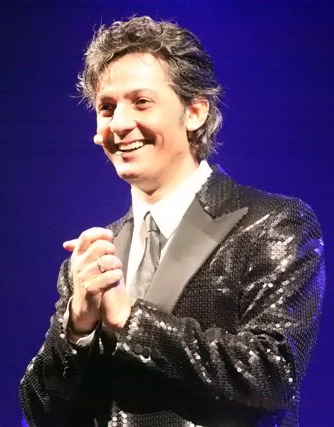
Rosario Fiorello, known simply as Fiorello, is one of Italy’s most beloved and versatile entertainers. Born on May 16, 1960, in Catania, Italy, Fiorello has made his mark as a singer, television and radio host, comedian, and actor. His charisma, quick wit, and ability to connect with audiences have made him a household name in Italy and an enduring figure in the entertainment industry. This article delves into Fiorello’s life, career, and the key milestones that have defined his journey to fame.
Early Life and Beginnings in Entertainment
Fiorello was born Rosario Tindaro Fiorello in Catania, Sicily, and was the eldest of four children. Growing up in Augusta, a town in the province of Syracuse, Fiorello showed an early interest in entertainment. He attended a scientific high school, where his outgoing personality and knack for humor made him popular among his peers.
His first foray into the world of entertainment came through local radio. He began working at Radio Marte, a local station that allowed him to experiment with broadcasting. His creative approach to radio, including a memorable attempt at a non-stop live broadcast for almost four days, helped him develop his on-air persona and gain a following.
After graduating from high school, Fiorello took a job as an entertainer in various holiday resorts across Italy. His energetic performances and ability to engage with audiences quickly made him one of the most popular animators in the country. However, Fiorello’s ambitions extended beyond the holiday circuit, and he soon set his sights on a larger stage.
Breakthrough with Radio Deejay and Television
Fiorello’s big break came in 1981 when he was discovered by Claudio Cecchetto, a well-known talent scout and music producer. Cecchetto invited Fiorello to join Radio Deejay, one of Italy’s most popular radio stations. Fiorello’s show, W Radio Deejay, quickly became a hit, thanks to his lively personality, sharp humor, and ability to connect with listeners.
In 1988, Fiorello made his television debut on Dee Jay Television, where his charisma and comedic talent quickly won over viewers. He became a regular guest on various TV shows, including Una rotonda sul mare with Red Ronnie and Il gioco dei nove with Gerry Scotti. However, it was his role as the host of Karaoke in 1992 that catapulted him to national fame.
Karaoke was a groundbreaking show that brought singing competitions to the streets of Italy. Fiorello traveled from city to city, inviting everyday Italians to sing their favorite songs in front of a live audience. His warmth, humor, and ability to connect with people from all walks of life made the show an instant success. Fiorello’s signature ponytail became a cultural icon, and he was soon recognized as one of Italy’s top television personalities.
Musical Career and Challenges
In addition to his success on television, Fiorello pursued a music career. In 1993, he released his third album, Spiagge e lune, which reached the top of the Italian charts. The album’s success cemented his status as a multi-talented entertainer capable of excelling in both music and television.
In 1995, Fiorello participated in the Sanremo Music Festival, Italy’s most prestigious music competition, with the song “Finalmente tu.” The song was a hit, and the accompanying album of the same name showcased Fiorello’s versatility as a singer. Despite his success, this period of his life was marred by personal struggles, including a battle with drug addiction.
Fiorello has been open about his experience with cocaine addiction, describing it as a dark period in his life. He has spoken candidly about how the pressures of fame and the loneliness that often accompanies it led him down a destructive path. However, with the support of his family, particularly his father, who had instilled in him the importance of honesty and integrity, Fiorello was able to overcome his addiction and rebuild his life and career.
Return to Television and Radio Success
After overcoming his personal challenges, Fiorello made a triumphant return to television in the late 1990s. With the support of Maurizio Costanzo, a prominent Italian television host and producer, Fiorello was given the opportunity to co-host La febbre del venerdì sera and Buona Domenica alongside Paola Barale and Claudio Lippi. These shows marked his return to the spotlight and demonstrated his resilience and enduring popularity.
In 2001, Fiorello made a significant move by joining RAI, Italy’s national public broadcasting company. He hosted the Saturday night variety show Stasera pago io, which was a massive success and won multiple Telegatti awards, including Best Variety Show and Person of the Year. The show allowed Fiorello to showcase his talents as a comedian, singer, and entertainer, and it solidified his position as one of Italy’s top television personalities.
Fiorello’s partnership with Marco Baldini on the radio show Viva Radiodue further showcased his comedic genius. The show, which debuted in 2001, was a huge hit and continued to run for several years, with Fiorello and Baldini entertaining listeners with their witty banter, celebrity impressions, and satirical take on current events. The show’s success led to various live performances and tours, where Fiorello’s ability to connect with audiences was on full display.
Expanding His Horizons: Theater, Advertising, and Cinema
In addition to his work on television and radio, Fiorello explored other avenues in the entertainment industry. He ventured into theater, bringing his talents to live audiences with shows like Volevo fare il ballerino in 2005. The show, which featured Fiorello impersonating various celebrities, including Mike Bongiorno, Joaquin Cortes, and Carla Bruni, was a critical and commercial success.
Fiorello also became a sought-after figure in advertising, appearing in numerous commercials and lending his voice to animated characters. In 1997, he provided the voice for the male lead in the Italian version of the animated film Anastasia, showcasing his versatility as a performer.
Fiorello’s foray into cinema included roles in films like Il talento di Mr. Ripley (The Talented Mr. Ripley) and Cartoni animati by Franco Citti. His work in film, though less prominent than his television and radio career, demonstrated his ability to adapt to different mediums and connect with audiences in various ways.
Reinventing Himself: The 2010s and Beyond
As Fiorello entered the 2010s, he continued to innovate and find new ways to engage with audiences. In 2009, he launched a new live television program on Sky, where he performed in front of a live audience, blending comedy, music, and improvisation in a way that only he could.
Fiorello’s return to RAI in 2011 with Il più grande spettacolo dopo il weekend was a monumental success, breaking viewership records and earning widespread acclaim. The show’s title, inspired by Lorenzo Cherubini’s (Jovanotti) song “Il più grande spettacolo dopo il Big Bang,” reflected Fiorello’s ability to create captivating and entertaining content that resonated with a broad audience.
In addition to his television work, Fiorello embraced the digital age by creating Edicola Fiore, a daily online show where he and his friends discussed current events and shared humorous commentary. The show, which began as a series of videos posted on social media, quickly gained a following and was eventually adapted into a television program on Sky Uno and TV8. Edicola Fiore showcased Fiorello’s ability to adapt to new platforms and connect with audiences in the ever-evolving media landscape.
In 2015, Fiorello returned to the stage with L’ora del Rosario, a theatrical show that combined his signature humor with music and storytelling. The show was a hit, further cementing Fiorello’s status as one of Italy’s most versatile and beloved entertainers.
Legacy and Influence
Rosario Fiorello’s career is a testament to his extraordinary talent, resilience, and ability to connect with audiences across multiple platforms. From his early days as a radio host and holiday resort entertainer to his rise as one of Italy’s most prominent television personalities, Fiorello has consistently demonstrated his versatility and charisma.
His openness about his personal struggles, including his battle with drug addiction, has endeared him to fans and earned him respect as a public figure who is unafraid to confront his past and share his experiences. Fiorello’s ability to reinvent himself and remain relevant in an ever-changing entertainment industry is a testament to his creativity and dedication to his craft.
As one of Italy’s most beloved entertainers, Fiorello’s impact on the country’s cultural landscape is undeniable. His contributions to television, radio, theater, and music have left an indelible mark on the entertainment industry, and his legacy as a trailblazer and innovator will continue to inspire future generations of performers.


