
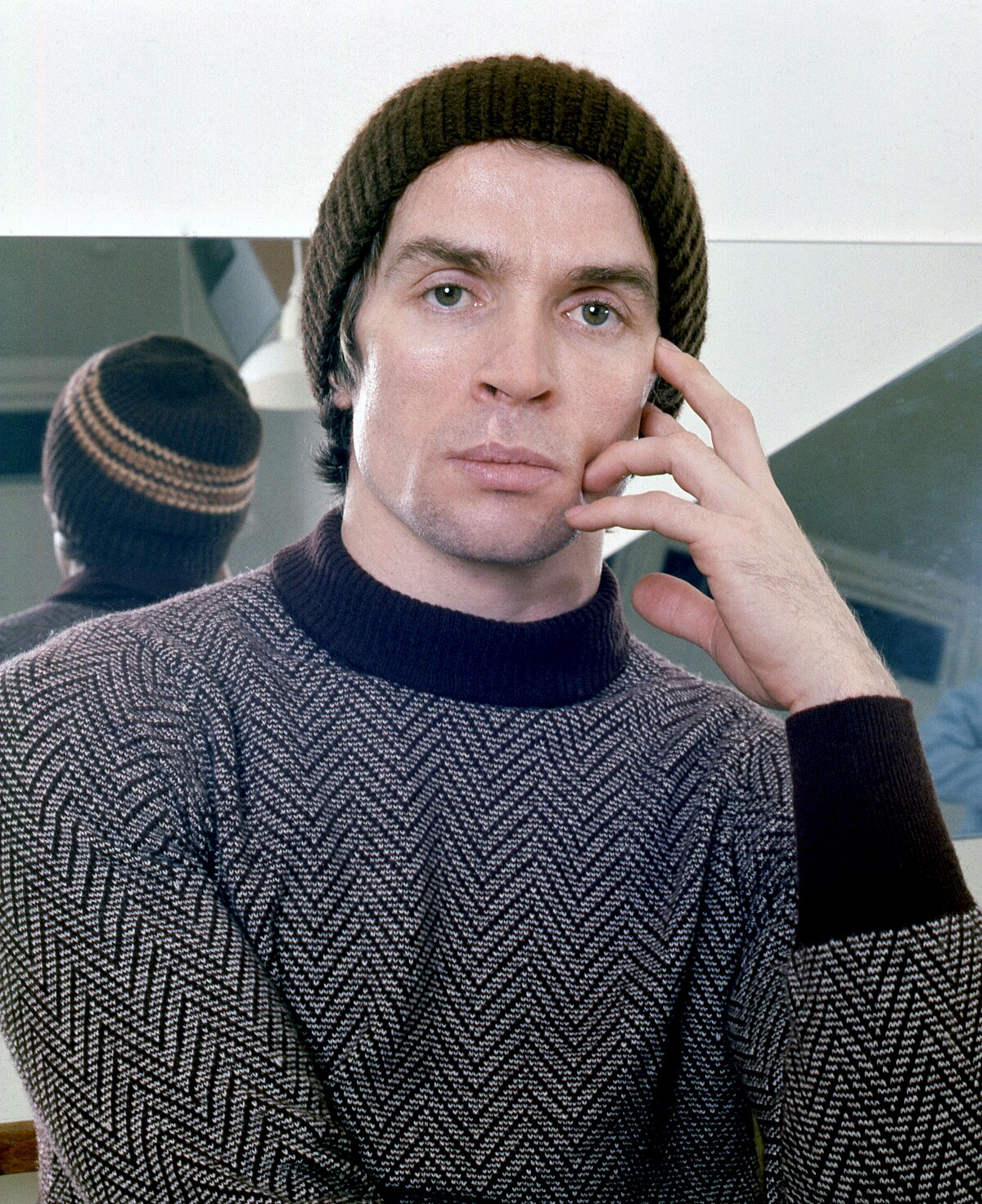
Rudolf Nureyev, a name synonymous with grace, athleticism, and innovation in the world of ballet, revolutionized the role of the male dancer and left an indelible mark on the arts. His journey from a remote region in the Soviet Union to becoming one of the most celebrated dancers of the 20th century is a story of extraordinary talent, defiance, and resilience. This article delves into the life of Rudolf Nureyev, exploring his rise to fame, his impact on the world of dance, and the legacy he left behind.
Early Life and Background
Rudolf Hametovich Nureyev was born on March 17, 1938, in a rather unusual setting—on a train near Lake Baikal in Siberia. His mother was traveling to Vladivostok to join her husband, who was stationed there for work. This dramatic entry into the world seemed to foreshadow the extraordinary life that Nureyev would lead. Born into a Tatar Muslim family, Nureyev grew up in the Soviet Union, a nation then steeped in political turmoil and strict cultural policies. His early years were marked by poverty, but also by a profound love for music and dance.
At the age of 11, Nureyev began taking dance lessons from an elderly teacher, Madame Udeltsova, who had once been associated with the legendary Ballets Russes. This early instruction laid the foundation for Nureyev’s future career. Despite his late start in dance, compared to many of his peers, Nureyev’s raw talent and determination were unmistakable. By 1955, he was accepted into the prestigious Kirov Ballet School in Leningrad (now Saint Petersburg), where he would hone his craft and prepare for a career that would soon take the world by storm.
Rise to Fame in the Soviet Union
Nureyev’s time at the Kirov Ballet was transformative. He quickly rose through the ranks, joining the company in 1958. His exceptional technical skills, combined with his passionate and expressive style, set him apart from other dancers. Nureyev’s ability to convey deep emotion through movement made him a standout performer in a company renowned for its strict adherence to classical ballet principles.
During this period, Nureyev danced in some of the most challenging roles in the classical repertoire, including Prince Siegfried in Swan Lake and Albrecht in Giselle. His performances were characterized by an intensity and energy that captivated audiences and critics alike. However, it was not just his dancing that made headlines; Nureyev was also known for his rebellious nature and his refusal to conform to the rigid expectations of Soviet cultural authorities.
Defection to the West
The defining moment of Nureyev’s life came in 1961 during a Kirov Ballet tour in Paris. Disillusioned with the restrictions imposed by the Soviet regime and eager to explore greater artistic freedom, Nureyev made the bold decision to defect to the West. On June 16, 1961, at Le Bourget Airport in Paris, Nureyev evaded KGB agents and sought political asylum in France. This dramatic defection, during the height of the Cold War, made international headlines and marked the beginning of a new chapter in Nureyev’s life.
Nureyev’s defection was not just a political act; it was a declaration of his desire for artistic freedom. In the West, he found the opportunities to experiment and collaborate with some of the most innovative choreographers and dancers of the time. His move to the West also positioned him as a symbol of artistic defiance against the Soviet regime, further amplifying his fame and influence.
Career in the West: The Making of a Legend
After his defection, Nureyev began dancing with various prestigious companies across Europe. He joined the Royal Ballet in London, where he formed a legendary partnership with British ballerina Margot Fonteyn. Their on-stage chemistry was electric, and together they performed in iconic ballets such as Romeo and Juliet, Swan Lake, and Giselle. Fonteyn, already a star in her own right, found a new vitality in her performances alongside Nureyev, and their partnership became one of the most celebrated in ballet history.
Nureyev’s influence extended beyond his performances. He was instrumental in revitalizing the role of the male dancer in ballet, which had often been secondary to the female lead. Nureyev’s powerful and charismatic performances brought the male dancer into the spotlight, redefining ballet’s gender dynamics and inspiring future generations of dancers.
Throughout the 1960s and 1970s, Nureyev continued to push the boundaries of ballet. He worked with choreographers such as Frederick Ashton, Kenneth MacMillan, and Maurice Béjart, who created roles specifically for him. Nureyev’s versatility allowed him to excel in both classical and contemporary ballet, making him a unique figure in the dance world.
Personal Life and Challenges
Nureyev’s personal life was as complex and intense as his performances. He was openly gay at a time when homosexuality was still largely taboo, especially in the Soviet Union. His relationships were often tumultuous, reflecting the passionate and sometimes volatile nature of his personality. Among his most significant relationships was with Danish dancer Erik Bruhn, whom he met shortly after his defection. Bruhn, a principal dancer with the Royal Danish Ballet, became both a romantic partner and a mentor to Nureyev, influencing his artistic development.
Nureyev’s life was also marked by health challenges. In the mid-1980s, he was diagnosed with HIV, a disease that would later progress to AIDS. Despite his declining health, Nureyev continued to dance and choreograph, driven by an unrelenting passion for his art. His final years were spent in Paris, where he became the director of the Paris Opera Ballet, a position that allowed him to shape the future of ballet even as his own life was drawing to a close.
Legacy and Impact on Dance
Rudolf Nureyev’s contribution to ballet cannot be overstated. He brought a new level of physicality and expressiveness to male ballet roles, challenging the traditional notions of what a male dancer could be. His intense focus on the emotional and dramatic aspects of dance elevated the art form, making ballet more accessible and engaging to broader audiences.
Nureyev’s influence extended beyond the stage. As a choreographer and artistic director, he introduced new works and revitalized classic ballets, ensuring that they remained relevant to contemporary audiences. His dedication to the preservation and innovation of ballet has left a lasting legacy, influencing the direction of dance companies around the world.
One of Nureyev’s most significant contributions was his ability to bridge the gap between classical and contemporary ballet. He respected the traditions of ballet, but he was also unafraid to challenge them, incorporating modern elements into his performances and choreography. This blend of tradition and innovation has become a hallmark of ballet today, thanks in large part to Nureyev’s pioneering efforts.
Cultural Icon and Symbol of Artistic Freedom
Beyond his technical prowess and artistic achievements, Nureyev became a cultural icon and a symbol of artistic freedom. His defection from the Soviet Union during the Cold War made him a figure of political significance, representing the power of art to transcend political boundaries. Nureyev’s story resonated with people around the world, not just for his extraordinary talent, but for his courage in the face of adversity.
Nureyev’s life has been the subject of numerous books, documentaries, and films, including the 2018 biographical film Nureyev: The White Crow, directed by Ralph Fiennes. This film, based on the biography by Julie Kavanagh, portrays the early years of Nureyev’s life, culminating in his dramatic defection to the West. The film highlights the challenges he faced, both personally and professionally, and underscores the impact he had on the world of dance.
Final Years and Death
As Nureyev’s health declined in the late 1980s and early 1990s, he continued to work, driven by his love for dance. He made his final public appearance in 1992, at a gala performance in Paris. Despite his frail condition, Nureyev’s presence on stage was a poignant reminder of the greatness he had achieved.
Rudolf Nureyev passed away on January 6, 1993, in Paris, at the age of 54. His death marked the end of an era in ballet, but his influence on the art form continues to be felt today. Nureyev’s legacy is preserved not only through his recordings and films but also through the countless dancers and choreographers he inspired.
Conclusion
Rudolf Nureyev’s life was a remarkable journey from the hardships of his early years in the Soviet Union to the heights of international fame. His defection to the West was a bold statement of his desire for artistic freedom, and his subsequent career redefined the possibilities for male dancers in ballet. Nureyev’s contributions to the world of dance were profound, and his influence continues to shape the art form today.
As a dancer, choreographer, and director, Nureyev pushed the boundaries of ballet, blending classical and contemporary styles in a way that had never been done before. His passion for dance was matched only by his determination to live life on his own terms, making him not only a legend in ballet but also a symbol of artistic freedom and individual expression.
Rudolf Nureyev will always be remembered as one of the greatest dancers of the 20th century, a true icon whose legacy transcends the world of ballet and continues to inspire new generations of artists.


