
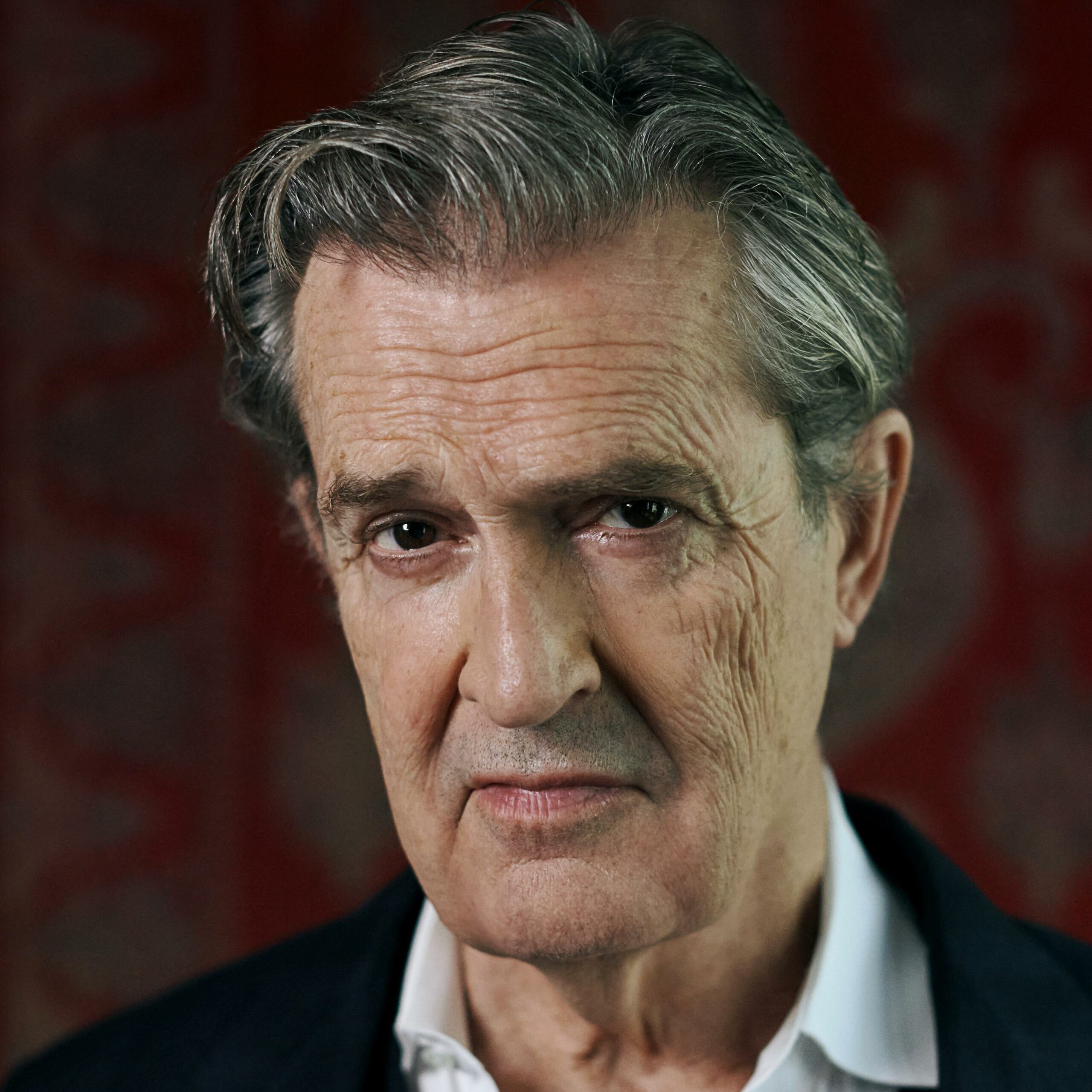
Rupert Everett, born on May 29, 1959, in Norfolk, England, is a British actor, writer, and singer who has made significant contributions to film, theater, and literature. Known for his aristocratic demeanor and a sharp wit, Everett has navigated a career filled with both critical acclaim and controversy. This article delves into the life, career, and impact of Rupert Everett, exploring the key moments that have defined his journey to fame and his enduring influence on the entertainment industry.
Early Life and Background
Rupert James Hector Everett was born into a well-to-do family with deep connections to British aristocracy. His father was a major in the British Army, and his mother was a descendant of the baronets of Wykeham. Raised in a strict Roman Catholic household, Everett received a classical education at Ampleforth College, a prestigious Catholic boarding school in Yorkshire. It was here that he first developed an interest in the arts, particularly in music and theater.
Everett’s early years were marked by a rebellious streak that would become a defining characteristic throughout his life. At the age of 15, he left Ampleforth to attend the Central School of Speech and Drama in London. However, his rebellious nature led to his expulsion from the school, after which he continued his training at the Citizens Theatre in Glasgow, Scotland. This experience in Glasgow provided Everett with a strong foundation in theater, where he began to hone his craft.
Breakthrough Role: “Another Country”
Rupert Everett’s breakthrough came in 1982 with his role in the stage play “Another Country,” where he portrayed the character of Guy Bennett, a gay student in an elite British boarding school. The play, which explored themes of class, privilege, and sexual identity, resonated deeply with audiences and critics alike. Everett’s performance was widely praised, and he reprised his role in the 1984 film adaptation of the play. This film not only marked Everett’s debut on the big screen but also established him as a rising star in British cinema.
“Another Country” was a significant milestone for Everett, both professionally and personally. His portrayal of a gay character at a time when LGBTQ+ representation was scarce in mainstream media was seen as both courageous and groundbreaking. This role set the stage for Everett’s career, as he continued to challenge societal norms and push the boundaries of what was considered acceptable in the entertainment industry.
The 1980s and 1990s: Career Fluctuations
Following the success of “Another Country,” Rupert Everett’s career saw a mix of highs and lows. In the late 1980s, he ventured into music, releasing two albums, but they failed to gain commercial success. Undeterred, Everett shifted his focus back to acting and writing. In 1991, he published two novels, showcasing his literary talent and further diversifying his artistic portfolio.
The 1990s were a period of significant change for Everett, both personally and professionally. In 1989, he made headlines by publicly coming out as gay, one of the first actors to do so in an era when such admissions were still considered risky for a career in Hollywood. This decision, while brave, had consequences. Some industry insiders speculated that it limited the types of roles offered to him, particularly in an industry still grappling with homophobia.
Despite these challenges, Everett found success in a number of films throughout the decade. One of his most memorable roles came in 1997 when he starred alongside Julia Roberts in “My Best Friend’s Wedding.” His portrayal of George Downes, the gay best friend of Roberts’ character, was lauded by critics and audiences alike. The role revitalized Everett’s career, earning him a Golden Globe nomination and solidifying his status as a beloved character actor.
Beyond Acting: Writing and Music
Rupert Everett’s talents extend beyond acting. He has proven himself to be a versatile artist with successful ventures into writing and music. His literary works include novels such as “Hello, Darling, Are You Working?” (1992) and “The Hairdressers of St. Tropez” (1995). Both novels received positive reviews for their wit and sharp social commentary, echoing the satirical tone of Everett’s public persona.
In addition to his novels, Everett has written several memoirs, including “Red Carpets and Other Banana Skins” (2006) and “Vanished Years” (2012). These memoirs offer candid insights into his life in the entertainment industry, his relationships, and his experiences as a gay man navigating the often hostile world of Hollywood. His writing is characterized by a blend of humor, honesty, and a touch of melancholy, providing readers with a deeper understanding of the man behind the public image.
Everett’s musical endeavors, though less commercially successful, also reflect his eclectic artistic interests. He released two albums in the late 1980s, experimenting with a mix of pop and cabaret styles. While these albums did not achieve significant commercial success, they demonstrated Everett’s willingness to explore different creative avenues and his refusal to be pigeonholed into a single artistic identity.
Challenges and Resilience
Rupert Everett’s career has been marked by periods of both critical acclaim and significant challenges. In the 2000s, he struggled to find roles that matched the success of his earlier work. Despite this, he continued to work in both film and theater, often choosing projects that aligned with his personal interests and values rather than those guaranteed to boost his career.
One of the defining characteristics of Everett’s career has been his resilience in the face of adversity. His decision to come out as gay in the late 1980s, at a time when few actors were willing to do so, was a bold move that undoubtedly affected his career trajectory. However, rather than allowing this to limit him, Everett has used his platform to advocate for greater LGBTQ+ representation in the media and to speak out against the discrimination that still exists in the industry.
Everett has also been vocal about the challenges of aging in Hollywood, particularly for actors who do not fit the traditional mold of leading men. In interviews and his memoirs, he has spoken candidly about the pressures to conform to certain standards of beauty and the difficulties of finding meaningful roles as he gets older. Despite these challenges, Everett continues to work in the industry, proving that talent and determination can overcome even the most entrenched obstacles.
The 2000s and 2010s: A Return to Form
In the 2000s, Rupert Everett’s career experienced a resurgence. He appeared in a number of high-profile films, including “The Importance of Being Earnest” (2002), where he played the role of Algernon Moncrieff, and “Stage Beauty” (2004), in which he portrayed King Charles II. These roles showcased Everett’s versatility as an actor and his ability to bring depth and nuance to his characters.
Everett also made a successful return to the stage, starring in several West End productions, including Oscar Wilde’s “The Judas Kiss” (2012), where he played the role of Wilde himself. His performance was widely praised, and the role seemed a fitting tribute to Wilde, an artist with whom Everett has often been compared due to their shared wit, intelligence, and openly gay identity.
In 2018, Everett took on perhaps his most ambitious project to date with “The Happy Prince,” a biographical drama about the final years of Oscar Wilde’s life. Not only did Everett star as Wilde, but he also wrote and directed the film. “The Happy Prince” was a passion project for Everett, who had long admired Wilde and felt a deep personal connection to his story. The film received critical acclaim, with many praising Everett’s performance as one of the best of his career.
Legacy and Impact
Rupert Everett’s legacy in the entertainment industry is one of courage, resilience, and artistic integrity. His decision to come out as gay at a time when it was still considered a career risk paved the way for future generations of LGBTQ+ actors. He has consistently chosen roles that challenge societal norms and push the boundaries of what is considered acceptable in mainstream media.
Everett’s contributions to film, theater, and literature have left an indelible mark on the industry. His performances, particularly in films like “My Best Friend’s Wedding” and “The Happy Prince,” have become iconic, and his writing offers a unique perspective on the world of entertainment.
As an artist, Rupert Everett embodies the spirit of defiance and individuality. He has never been one to conform to industry expectations, and this refusal to be boxed in has allowed him to explore a wide range of creative pursuits. Whether through his acting, writing, or music, Everett continues to captivate audiences with his wit, charm, and undeniable talent.
Conclusion: A Life of Art and Courage
Rupert Everett’s journey through the world of entertainment has been anything but conventional. From his early days as a rebellious student to his rise as a celebrated actor and writer, Everett has always followed his own path, even when it meant facing significant challenges. His career is a testament to the power of resilience and the importance of staying true to oneself.
As he continues to work in the industry, Everett remains a symbol of artistic integrity and courage. His legacy will undoubtedly inspire future generations of actors, writers, and artists who, like Everett, refuse to be defined by societal expectations. In an industry that often prioritizes conformity, Rupert Everett stands out as a beacon of individuality and creativity.


