
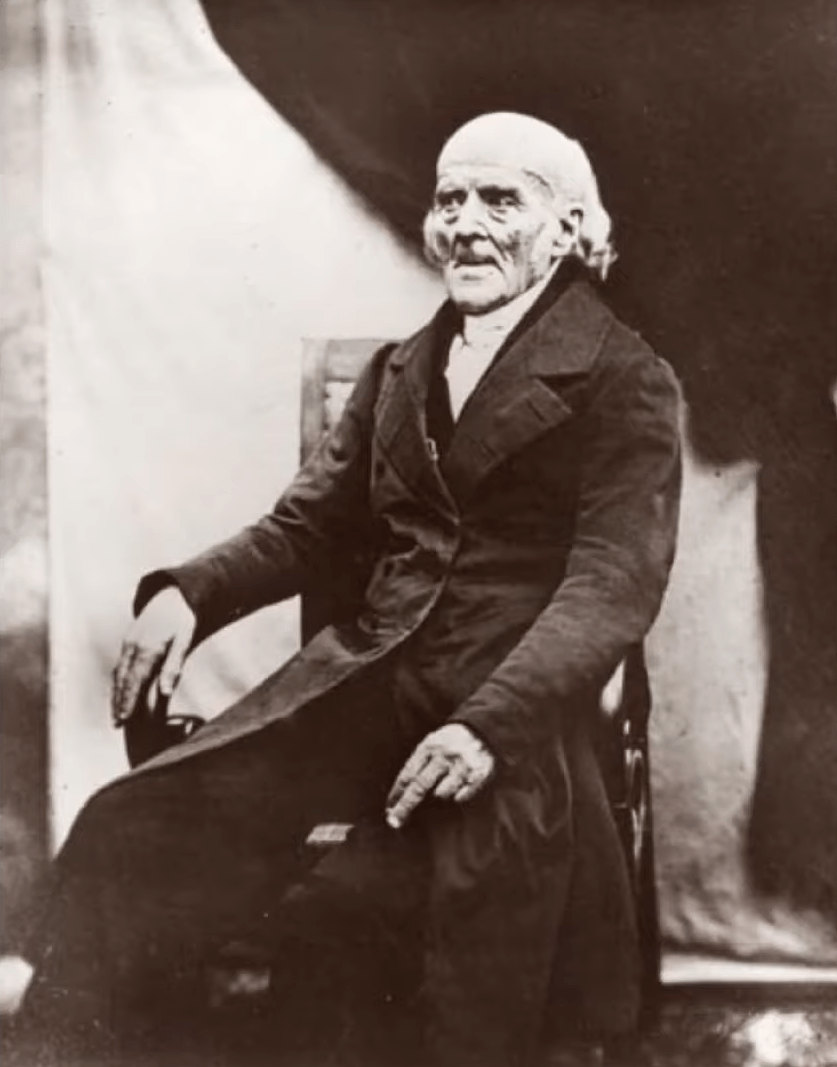
Samuel Hahnemann, a name synonymous with the foundation of homeopathy, was born on April 10, 1755, in Meissen, Saxony, a small town in Germany near Dresden. His life and work have left an indelible mark on the medical world, influencing not only the development of homeopathy but also challenging the medical practices of his time. This article delves deep into the life, achievements, and legacy of Samuel Hahnemann, exploring the nuances and historical context that shaped his journey and the world of medicine.
Early Life and Education
Samuel Hahnemann was born into a humble family; his father was a porcelain painter, and his mother was instrumental in his early education. She taught him to read and write, laying the foundation for a lifelong pursuit of knowledge. Hahnemann’s thirst for learning was evident from an early age. He attended public school and later a private institution, where he excelled in languages, mastering English, French, Latin, Greek, Arabic, Italian, and even ancient Chaldean. His linguistic abilities would later serve him well in his medical career, particularly in translating scientific and medical texts.
Medical Education and Early Career
In 1775, Hahnemann enrolled at the University of Leipzig to study medicine. After two years, he moved to Vienna, where he continued his studies, immersing himself in the medical practices of the time. In 1779, he graduated with honors from the University of Erlangen, a choice driven by the lower tuition fees there. His thesis, titled “Conspectus adfectuum spasmodicorum aetiologicus et therapeuticus,” reflected his early interest in the causes and treatments of spasmodic conditions.
Hahnemann’s early medical career was marked by a growing disillusionment with the conventional medical practices of his time. In 1781, he became a physician in the mining region of Mansfeld, where he soon realized the inefficacy and often harmful nature of the treatments he was expected to administer. This led him to abandon his medical practice and explore other avenues, including translating scientific works and studying chemistry.
The Birth of Homeopathy
The turning point in Hahnemann’s life came in 1790, while he was translating a medical text by the Scottish physician William Cullen. Cullen’s work on “Materia Medica” described the therapeutic effects of cinchona bark (quinine) in treating malaria. Hahnemann, skeptical of Cullen’s explanation, decided to test the substance on himself. He ingested the bark and observed that it produced symptoms similar to those of malaria. This experiment led to a groundbreaking hypothesis: a substance that causes symptoms in a healthy person can be used to treat similar symptoms in a sick person. This principle, “Similia similibus curentur,” or “like cures like,” became the cornerstone of homeopathy.
Hahnemann’s new approach to medicine, which he called “homeopathy,” was revolutionary. It proposed that the human body possesses an innate ability to heal itself and that the symptoms of a disease are not the disease itself but rather the body’s response to an imbalance. By administering minute doses of natural substances that would produce the same symptoms in a healthy person, Hahnemann believed he could stimulate the body’s self-healing processes.
Development of Homeopathic Principles
In 1806, Hahnemann published “The Medicine of Experience,” which outlined the basic tenets of homeopathy. He argued that the goal of treatment should not be merely to eradicate disease symptoms but to restore the patient’s overall health and well-being. Hahnemann emphasized the importance of individualized treatment, where the remedy is tailored to the patient’s unique symptoms and constitution.
One of Hahnemann’s most significant contributions to medicine was his method of preparing homeopathic remedies, known as potentization. He discovered that by diluting a substance in a series of steps and vigorously shaking it at each step (a process he called “succussion”), the remedy’s therapeutic properties were enhanced while its toxic effects were minimized. This process of dynamization, as he called it, became a fundamental principle of homeopathic practice.
Challenges and Controversies
Hahnemann’s ideas were met with resistance and skepticism from the medical establishment. In 1810, he published the first edition of his seminal work, “The Organon of Rational Healing,” later known as “The Organon of the Healing Art.” This book laid out the theoretical foundations of homeopathy and included the now-famous aphorism, “Similia similibus curentur.”
Despite the growing popularity of homeopathy among the public, Hahnemann faced significant opposition from his medical peers. His unorthodox methods and the success of his treatments attracted criticism, and he was often accused of quackery. In 1812, he returned to Leipzig, where he established a homeopathic school at the University of Medicine. However, he was required to pay a fee to teach, reflecting the contentious nature of his work.
One of the most significant controversies in Hahnemann’s career occurred when Prince Schwarzenberg, a hero of the Battle of Leipzig, sought treatment from him. Unfortunately, the prince died, leading to widespread rumors that Hahnemann’s homeopathic treatment was to blame. This incident severely damaged Hahnemann’s reputation, and he was forced to leave Leipzig.
Later Life and Legacy
In 1821, Hahnemann moved to Köthen, where he continued to refine his theories and practices. It was during this period that he developed his concept of “miasms,” which he believed were the underlying causes of chronic diseases. According to Hahnemann, miasms could be inherited or acquired and were responsible for the development of various chronic conditions. He identified three primary miasms: psora (associated with itch and skin diseases), sycosis (linked to gonorrhea), and syphilis.
Hahnemann’s work on chronic diseases culminated in his publication of “The Chronic Diseases: Their Peculiar Nature and Their Homeopathic Cure” in 1828. This work expanded the scope of homeopathy and provided a comprehensive framework for treating chronic conditions, which were often considered incurable by conventional medicine.
In 1835, after the death of his first wife, Hahnemann remarried a young Frenchwoman named Marie Melanie d’Hervilly. Despite being nearly eighty years old, Hahnemann and his new wife moved to Paris, where he continued to practice homeopathy and treat patients. His fame had spread throughout Europe, and he attracted a diverse clientele, including members of the aristocracy and intellectual elite.
Hahnemann’s final years were marked by continued controversy and debate over the efficacy of homeopathy. However, his unwavering commitment to his principles and the success of his treatments ensured that his ideas would endure. He passed away on July 2, 1843, in Paris, and was buried in the famous Père Lachaise Cemetery.
Historical Context and Impact
Samuel Hahnemann’s contributions to medicine must be understood within the broader historical context of the late 18th and early 19th centuries. This period was characterized by rapid advancements in science and medicine, but also by widespread dissatisfaction with traditional medical practices. Bloodletting, purging, and the use of toxic substances were common treatments, often doing more harm than good.
Hahnemann’s critique of these practices and his development of a more humane and individualized approach to treatment resonated with many patients who had suffered under conventional medicine. His emphasis on the body’s natural healing processes and the importance of treating the whole person rather than just the disease marked a significant departure from the prevailing medical orthodoxy.
The spread of homeopathy throughout Europe and beyond can be attributed to Hahnemann’s tireless work and the dedication of his followers. By the mid-19th century, homeopathy had gained a substantial following in Europe, the United States, and India. Homeopathic hospitals, schools, and pharmacies were established, and the practice became an integral part of the medical landscape in many countries.
Conclusion
Samuel Hahnemann’s life and work represent a pivotal chapter in the history of medicine. His innovative ideas and relentless pursuit of a more effective and compassionate approach to healing challenged the medical establishment and laid the foundation for homeopathy. Despite the controversies and challenges he faced, Hahnemann’s legacy endures, with homeopathy continuing to be practiced and studied worldwide.
As we reflect on the life of Samuel Hahnemann, it is clear that his contributions go beyond the development of homeopathy. He was a pioneer who questioned the status quo, sought to improve patient care, and left a lasting impact on the field of medicine. His story is a testament to the power of innovation, perseverance, and the enduring quest for knowledge in the face of adversity.


