
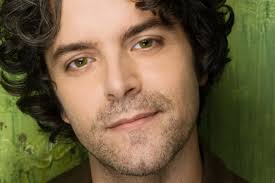
Samuele Bersani, an acclaimed Italian singer-songwriter, has crafted a unique niche in the music industry with his poetic lyrics and distinctive melodies. Born on October 1, 1970, in Rimini, Italy, Bersani has been a prominent figure in Italian music for decades. This article delves into his early life, rise to fame, significant career milestones, and enduring legacy, offering a comprehensive overview of his life and achievements.
Early Life and Influences
Samuele Bersani was born into a musically inclined family. His father, Raffaele, was a flautist and experimenter, often referred to as the “Pink Floyd of Cattolica,” while his mother, Gloria, instilled in him a love for cinema and poetry. Growing up in a creative environment, Bersani developed a deep sensitivity to music from a young age. He began playing various instruments spontaneously and composing his own songs, often recorded by his father.
During his childhood, Bersani was heavily influenced by the music that surrounded him in his home. He showed an early talent for creating melodies and lyrics, a talent that would later define his career. As a teenager, he formed and disbanded several local bands, honing his skills as a keyboardist and songwriter.
Musical Debut and Early Career
Bersani’s official musical debut came in 1991 when he performed “Il Mostro,” a hypnotic song about a six-legged monster, during Lucio Dalla’s “Cambio” tour. The song captivated audiences, and Bersani quickly gained recognition for his unique storytelling and musical style. His performance on tour with Dalla helped him build a substantial fan base, setting the stage for his future success.
In 1992, Bersani released his debut album, “C’hanno preso tutto.” The album featured the hit single “Chicco e Spillo,” which became a radio sensation and a cult classic. The success of this album established Bersani as a significant new voice in Italian music, known for his introspective and often humorous lyrics.
Rise to Fame: Breakthrough Albums
Bersani’s career continued to ascend with the release of his second album, “Freak,” in 1995. The album’s title track was a semi-serious portrait of a neo-hippy generation, and it included other successful songs like “Spaccacuore,” “Cado giù,” and “Cosa vuoi da me,” a cover of a song by The Waterboys. “Freak” sold over 130,000 copies and remained on the FIMI/Nielsen charts for 56 consecutive weeks, solidifying Bersani’s place in the Italian music scene.
In 1997, Bersani released his third album, simply titled “Samuele Bersani.” The album featured the critically acclaimed song “Giudizi Universali,” an existential reflection that won the Premio Lunezia for Best Literary Text. This song, often considered one of Bersani’s masterpieces, showcased his ability to blend deep philosophical insights with accessible, emotionally resonant music.
Continued Success and Artistic Evolution
Bersani’s creative output remained prolific as he moved into the new millennium. In 2000, he participated in the Sanremo Music Festival with the song “Replay,” which won the Critics’ Award. This song was part of his album “L’Oroscopo Speciale,” which was produced with Beppe D’Onghia. The album was a critical and commercial success, earning Bersani the Targa Tenco for Best Album of the Year.
Bersani’s ability to collaborate with other artists and adapt his style kept his music fresh and relevant. In 2002, he contributed the song “In percentuale” to Mina’s album “Veleno.” He also released a greatest hits compilation, “Che vita! Il meglio di Samuele Bersani,” which included three new tracks and topped the charts.
In 2003, Bersani released “Caramella Smog,” an album that further showcased his lyrical and musical evolution. The album featured collaborations with notable artists such as Fausto Mesolella, Zenima, Ferruccio Spinetti, Cesare Picco, Rocco Tanica, Fabio Concato, and Sergio Cammariere. The song “Cattiva” from this album won the Targa Tenco for Best Song, highlighting Bersani’s continued relevance and innovation in the music industry.
Social and Political Engagement
Bersani’s music often reflects his social and political consciousness. In 2006, he released “L’Aldiquà,” which included the instant hit “Lo scrutatore non votante.” This song, a critique of political apathy, was the first in Italy to be released directly on iTunes, where it quickly topped the download charts. The album also featured the pacifist anthem “Occhiali rotti,” dedicated to journalist Enzo Baldoni, and won the Amnesty International Award for Best Human Rights Song.
Bersani’s engagement with social issues extends beyond his music. He has been an outspoken advocate for various causes, using his platform to raise awareness and promote change. His participation in events like the Concerto del Primo Maggio and the Concerto per l’Emilia underscores his commitment to using his music for the greater good.
Later Career and Continued Innovation
In 2009, Bersani released “Manifesto abusivo,” an album that continued to push the boundaries of his musical style. The album’s lead single, “Ferragosto,” was well-received, and Bersani’s ability to blend humor with serious social commentary remained a hallmark of his work.
Bersani’s participation in the 2012 Sanremo Music Festival with the song “Un pallone” earned him the Critics’ Award once again. The same year, he released “Psyco – 20 anni di canzoni,” a compilation album celebrating two decades of his music career. The album included two new tracks, further demonstrating Bersani’s ability to remain relevant and innovative.
In 2013, Bersani released “Nuvola numero nove,” an album that continued to explore new musical territories. His collaboration with Pacifico on the single “Le storie che non conosci,” featuring a cameo by Francesco Guccini, was a notable highlight, showcasing his ability to bring together diverse musical influences.
Recent Projects and Legacy
Bersani’s first live album, “La fortuna che abbiamo,” was released in 2016. This album captured the energy and intimacy of his live performances, offering fans a new way to experience his music. In 2017, he made a guest appearance on the second season of the TV series “Tutto può succedere,” playing himself.
In 2020, Bersani released the album “Cinema Samuele,” which he described as a “rebirth after the end of a love.” This album marked a new chapter in his career, reflecting his personal growth and continued artistic evolution.
Cultural Impact and Recognition
Samuele Bersani’s impact on Italian music is profound. His ability to blend humor, social commentary, and deep emotional insight has set him apart from his contemporaries. His music resonates with a wide audience, from casual listeners to critics and fellow musicians.
Bersani’s numerous awards, including multiple Targa Tenco and Amnesty International Awards, attest to his significant contributions to music and society. His songs have become anthems for various social causes, reflecting his commitment to using his art to effect positive change.
Conclusion
Samuele Bersani’s journey from a young boy with a passion for music to a celebrated singer-songwriter is a testament to his talent, creativity, and dedication. His ability to continuously evolve as an artist while staying true to his unique voice has made him a beloved figure in Italian music. As he continues to create and perform, Bersani’s legacy as a trailblazing musician and social commentator remains firmly established.
Bersani’s career serves as an inspiration to aspiring artists, demonstrating the power of music to entertain, provoke thought, and drive change. His work reminds us of the enduring importance of art in reflecting and shaping our world.


