
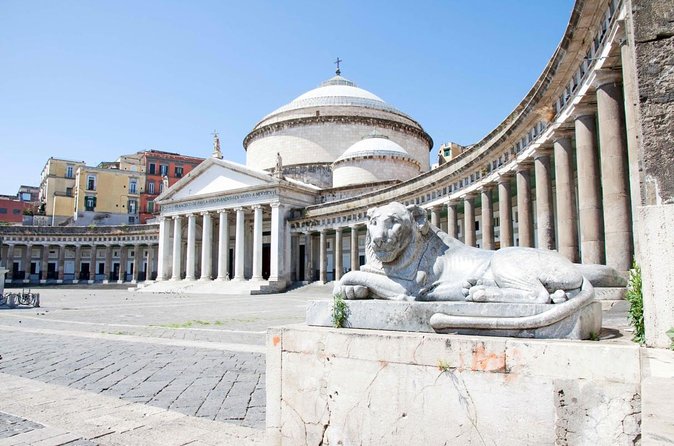
San Francesco di Paola, born on March 27, 1416, in Paola, Calabria, is one of the most revered saints in Italy and a significant figure in Catholic history. As the founder of the Order of Minims, his life was marked by profound spirituality, miraculous healings, and a dedication to a life of austerity and prayer. This article provides a detailed exploration of his life, achievements, and the historical context that shaped his journey from a humble hermit to a canonized saint.
Early Life and Calling
Francesco di Paola was born to Giacomo Martolilla and Vienna da Fuscaldo, a devout couple who had been childless for fifteen years. Their prayers to San Francesco d’Assisi were answered when their son was born, whom they named Francesco in honor of the beloved saint. From an early age, Francesco displayed a deep inclination towards prayer and a strong commitment to faith, traits that would define his entire life.
At the age of fifteen, Francesco was sent to the Franciscan friary at San Marco Argentano, where he demonstrated an extraordinary devotion to prayer and contemplation. It was during this period that the first of many miracles attributed to him occurred, establishing his reputation as a thaumaturge, or miracle worker. These early experiences set the stage for his later decision to dedicate his life entirely to God.
The Hermit’s Life and the Founding of the Order of Minims
After completing a pilgrimage that took him to Assisi, Montecassino, Rome, and Loreto, Francesco returned to his hometown of Paola. There, he withdrew to a remote forest, embracing a life of solitude, fasting, and prayer. His austere lifestyle, which included sleeping on bare rocks and subsisting on roots, attracted the attention of many who sought his guidance and spiritual counsel.
As his reputation for holiness spread, others began to join him in his hermitic life, forming the nucleus of what would become the Order of Minims. The name “Minims,” meaning “the least,” reflected the order’s commitment to humility, poverty, and penance. Unlike other mendicant orders, the Minims took a fourth vow of perpetual abstinence from meat, dairy, and eggs, emphasizing their dedication to simplicity and asceticism.
In 1452, under the leadership of Bishop Pirro Caracciolo of Cosenza, Francesco’s community received official recognition and was granted an oratory. This marked the formal beginning of the Order of Minims, which would go on to establish several convents across Italy and beyond.
Miracles and Healing: The Famed Thaumaturge
San Francesco di Paola’s life was punctuated by numerous miracles, many of which contributed to his widespread veneration both during his lifetime and after his death. One of the most famous miracles attributed to him is the crossing of the Strait of Messina on his cloak. According to legend, when denied passage by a boatman, Francesco spread his cloak on the water, stepped onto it, and miraculously floated across the strait to Sicily. This event has been immortalized in countless works of art and remains one of the most celebrated stories of his life.
Francesco’s reputation as a healer also spread far and wide. He was sought after by people from all walks of life, including nobility and royalty, who believed in his ability to cure illnesses and perform miraculous feats. His healing powers were so renowned that they reached the ears of King Louis XI of France, who was suffering from a debilitating illness.
The Call to France: Advising a King
In 1483, Francesco was summoned to France by King Louis XI, who hoped the holy man could cure him of his ailment. Initially, Francesco refused the king’s repeated requests, preferring to remain in Italy. However, when Pope Sixtus IV commanded him to go, Francesco reluctantly agreed, seeing it as an act of obedience to the Church.
Upon arriving in France, Francesco was received with great honor. The ailing King Louis XI knelt before him, hoping for a miraculous cure. While Francesco was unable to heal the king, he provided him with spiritual comfort and guidance, helping the monarch prepare for a peaceful death. King Louis XI’s deep respect for Francesco led to the construction of a Minim convent in Plessis-les-Tours, where Francesco continued his work, advising the French court and performing miracles.
Francesco remained in France for the rest of his life, establishing several more convents and becoming a trusted spiritual advisor to both Louis XI and his successor, King Charles VIII. His influence extended beyond the spiritual realm, as he also played a role in diplomatic matters between France and the Papal States.
Final Years and Canonization
San Francesco di Paola spent the final years of his life in France, where he continued to guide the Order of Minims and advise the French court. Despite his advancing age, he remained active in his ministry, continuing to perform miracles and provide spiritual counsel. His deep humility, coupled with his reputation for holiness, made him a beloved figure in France and Italy alike.
On April 2, 1507, Francesco di Paola passed away at the age of 91 in Tours, France. His death marked the end of a remarkable life dedicated to God, but his legacy continued to grow. Just six years after his death, in 1513, he was beatified by Pope Leo X, and in 1519, he was canonized as a saint.
San Francesco di Paola’s canonization was a recognition of his life of extraordinary piety, his contributions to the Church, and the countless miracles attributed to him. His feast day is celebrated on April 2nd, the anniversary of his death, and he remains the patron saint of Calabria, as well as the patron of sailors, fishermen, and the Order of Minims.
Legacy and Influence
San Francesco di Paola’s legacy is far-reaching, with his influence extending well beyond his native Italy. The Order of Minims, founded by Francesco, spread throughout Europe, establishing convents in Italy, France, Spain, and Germany. The order’s strict adherence to poverty, humility, and abstinence set it apart from other religious communities and attracted many followers.
The Order of Minims played a significant role in the Counter-Reformation, as its members were known for their rigorous adherence to Catholic doctrine and their efforts to combat heresy. The order’s emphasis on asceticism and penance resonated with the spiritual climate of the time, which sought to address the moral and theological challenges posed by the Protestant Reformation.
In addition to his religious legacy, San Francesco di Paola is remembered for his miracles and acts of charity. His life of simplicity and humility, coupled with his profound spiritual insights, continues to inspire believers around the world. Churches and shrines dedicated to San Francesco di Paola can be found in Italy, France, and beyond, where pilgrims come to seek his intercession and honor his memory.
San Francesco di Paola in Art and Culture
San Francesco di Paola’s life and miracles have been the subject of numerous artistic depictions, particularly in Italian and French art. Paintings, sculptures, and stained glass windows often portray him crossing the Strait of Messina on his cloak, healing the sick, or in deep prayer. These works of art have helped to preserve his memory and have played a crucial role in the popular devotion to him.
In Calabria, where he is the patron saint, San Francesco di Paola is celebrated with great fervor. The Santuario di San Francesco di Paola in his hometown is a major pilgrimage site, drawing visitors from all over the world who come to venerate his relics and seek his intercession. The annual feast day on April 2nd is marked by processions, religious services, and celebrations that honor the life and legacy of this humble hermit who became a saint.
Conclusion: The Enduring Impact of San Francesco di Paola
San Francesco di Paola’s life is a testament to the power of faith, humility, and dedication to God. From his early years as a solitary hermit to his role as the founder of the Order of Minims, Francesco’s journey was marked by a profound commitment to living out the Gospel message in its most radical form. His miracles, acts of charity, and unwavering dedication to a life of poverty and penance have left an indelible mark on the Catholic Church and on the lives of those who continue to venerate him.
As a saint, San Francesco di Paola exemplifies the virtues of humility, simplicity, and faithfulness to God’s call. His legacy continues to inspire those who seek to live a life of holiness, and his intercession is sought by many who believe in the power of his prayers. San Francesco di Paola’s life serves as a powerful reminder that even in the humblest of circumstances, a life dedicated to God can have a profound and lasting impact on the world.


