
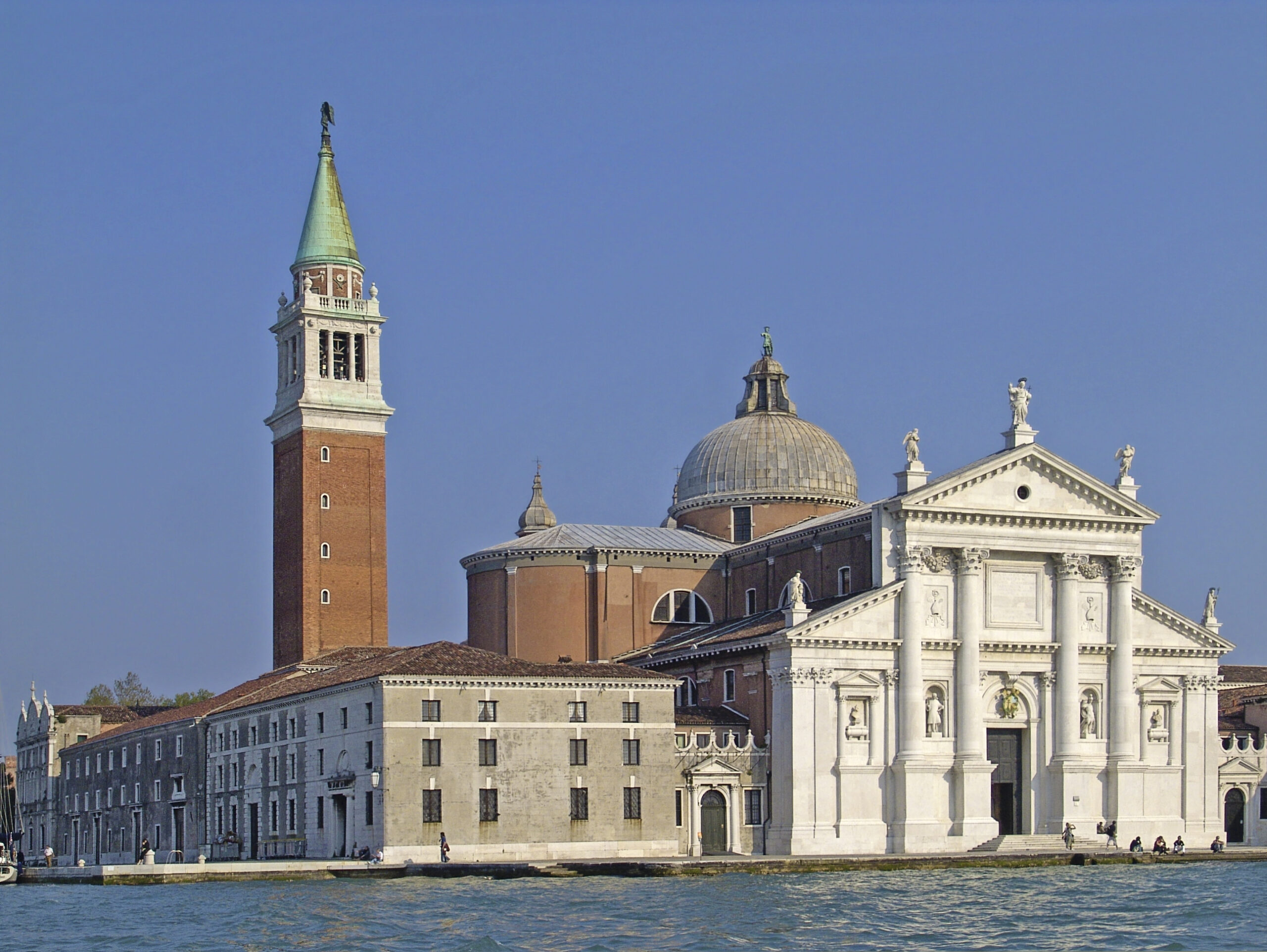
San Giorgio, or Saint George, is one of the most revered saints in Christian history, celebrated as a symbol of courage, chivalry, and faith. His legacy is immortalized in art, literature, and religious traditions around the world, with his legendary battle against the dragon becoming a quintessential tale of good triumphing over evil. This article delves into the life of San Giorgio, exploring his origins, the key events that led to his sainthood, and the lasting impact of his legend on both religious and cultural history.
Early Life and Historical Background
San Giorgio was born between 275 and 285 CE in Cappadocia, a region in modern-day Turkey. He was the son of Policromia, a Cappadocian woman, and Geronzio, a man of Persian descent. From an early age, Giorgio was raised in the Christian faith, which was still a minority religion under the Roman Empire. His upbringing was deeply rooted in Christian values, which later played a significant role in his life and eventual martyrdom.
Giorgio’s early life was marked by a strong sense of duty and bravery, traits that would define his character throughout his life. As a young man, he moved to Palestine, where he joined the Roman army under Emperor Diocletian. Giorgio quickly rose through the ranks, demonstrating exceptional skill and valor as a soldier. His courage and leadership earned him a position in Diocletian’s personal guard, a testament to his abilities and the trust placed in him by the emperor.
Conflict with Diocletian and Martyrdom
Despite his military success, San Giorgio’s life took a dramatic turn when Emperor Diocletian initiated one of the most severe persecutions of Christians in the Roman Empire. Diocletian, determined to eradicate Christianity, ordered the arrest and execution of Christians who refused to renounce their faith. Giorgio, a devout Christian, found himself in direct conflict with the emperor’s orders.
In a bold act of defiance, Giorgio publicly declared his Christian faith, refusing to offer sacrifices to the Roman gods as required by imperial decree. This act of courage put him at odds with Diocletian, who viewed Giorgio’s refusal as a betrayal. Despite being one of the emperor’s most trusted soldiers, Giorgio was arrested and subjected to brutal torture in an attempt to force him to renounce his faith.
According to legend, San Giorgio endured a series of horrific torments, including being torn apart on a wheel of swords and nails. However, he miraculously survived these ordeals, further solidifying his status as a symbol of divine faith and protection. Giorgio’s steadfastness in the face of unimaginable suffering inspired many, including the conversion of several onlookers, including a high-ranking Roman officer, Anatolio, and his soldiers.
Ultimately, Giorgio was sentenced to death by decapitation on April 23, 303 CE, in Nicomedia (modern-day İzmit, Turkey). His martyrdom marked the culmination of his life as a soldier of Christ, and his unwavering faith in the face of death earned him sainthood. The date of his martyrdom, April 23, is commemorated as the feast day of San Giorgio in the Christian liturgical calendar.
The Legend of Saint George and the Dragon
While the historical account of San Giorgio’s life is compelling in its own right, his fame is most widely associated with the legend of Saint George and the Dragon. This tale, which has been passed down through generations and across cultures, has solidified San Giorgio’s place as a cultural icon and a symbol of the triumph of good over evil.
The legend, most famously recounted in the Legenda Aurea (Golden Legend) by Jacobus de Voragine in the 13th century, tells the story of a town terrorized by a fearsome dragon. The dragon, which demanded a daily tribute of sheep, eventually required the townspeople to sacrifice their children when the supply of sheep ran out. The king’s daughter was eventually chosen as the next victim, and she was sent to the dragon’s lair.
As the princess awaited her grim fate, San Giorgio appeared, mounted on a white horse and armed with a lance. In a heroic battle, Giorgio slew the dragon and saved the princess. The grateful townspeople converted to Christianity, and Giorgio’s victory over the dragon became a powerful allegory for the triumph of faith over evil.
This legend has been immortalized in countless works of art, literature, and religious iconography. Notable depictions include Paolo Uccello’s Saint George and the Dragon, Donatello’s sculpture of San Giorgio, and Vasilij Kandinskij’s abstract interpretation in Saint George II. The story has also inspired numerous chivalric orders, including the Order of the Garter in England and the Sacred Military Constantinian Order of Saint George.
Patronage and Influence Across Cultures
San Giorgio’s influence extends far beyond his life and legend. He is venerated as the patron saint of numerous countries, cities, and professions. Perhaps most famously, he is the patron saint of England, where his emblem, the red cross on a white background, has become a national symbol. This association with England dates back to the medieval period when Richard the Lionheart adopted San Giorgio as the patron of his army during the Crusades.
In addition to England, San Giorgio is also the patron saint of Georgia (where his name is said to have influenced the country’s name), Portugal, Ethiopia, and the cities of Barcelona, Venice, and Moscow. He is also invoked as the protector of soldiers, farmers, and those suffering from disease.
In Italy, San Giorgio is particularly revered in Reggio Calabria, where his cult dates back to the 11th century. The legend tells of San Giorgio’s divine intervention during a battle between the local forces and the Saracens. According to tradition, San Giorgio appeared on the battlefield, leading the Christians to victory. In gratitude, the people of Reggio Calabria dedicated numerous churches to him, and he became the city’s patron saint.
The enduring popularity of San Giorgio is also reflected in the various religious and cultural celebrations held in his honor. His feast day, April 23, is marked by processions, masses, and festivals in many parts of the world. In some regions, the day is celebrated with reenactments of the dragon-slaying legend, emphasizing his role as a symbol of bravery and faith.
Artistic Legacy and Cultural Significance
San Giorgio’s legacy is not confined to religious devotion; he has also left an indelible mark on art and culture. His story has been a source of inspiration for artists throughout history, leading to some of the most iconic works of Christian art. Paolo Uccello’s Saint George and the Dragon (c. 1470) is one of the most famous depictions, capturing the dramatic moment of the dragon’s defeat. Uccello’s use of perspective and color highlights the contrast between the dark menace of the dragon and the bright purity of Giorgio’s armor, symbolizing the victory of light over darkness.
Donatello’s sculpture of San Giorgio, created in the early 15th century, is another masterpiece that has contributed to the saint’s enduring legacy. The statue, originally commissioned for the Orsanmichele church in Florence, portrays Giorgio as a youthful, determined warrior, embodying the ideals of chivalry and heroism. Donatello’s work has been praised for its realism and emotional depth, capturing the inner strength and resolve of the saint.
In the 20th century, the Russian artist Vasilij Kandinskij reinterpreted the legend of San Giorgio in his abstract painting Saint George II (1911). Kandinskij, a pioneer of abstract art, used the image of San Giorgio as a symbol of spiritual struggle and victory. His work reflects the continued relevance of San Giorgio’s story, even in modern times, as a metaphor for the battle between good and evil within the human soul.
Reggio Calabria and the Cult of San Giorgio
One of the cities where the cult of San Giorgio is particularly strong is Reggio Calabria, located in Southern Italy. The devotion to San Giorgio in this region dates back to the early 11th century and is tied to the legendary defense of the city against the Saracens. According to local tradition, San Giorgio appeared during the battle, leading the Christian forces to victory against the invaders.
As a result of this miraculous intervention, the people of Reggio Calabria dedicated numerous churches to San Giorgio, and he was declared the city’s patron saint. Among the most significant religious sites is the Church of San Giorgio al Corso, which remains a focal point of devotion and the site of important civic ceremonies. During the Middle Ages, the church played a central role in the election of the city’s leaders, a ritual performed in front of the altar dedicated to San Giorgio.
The celebration of San Giorgio’s feast day in Reggio Calabria is marked by religious processions, traditional music, and public festivities. These events reflect the deep-rooted connection between the saint and the city’s cultural identity, emphasizing his role as both a spiritual protector and a symbol of communal pride.
Conclusion
San Giorgio’s life, legend, and legacy have transcended the boundaries of time, culture, and geography, making him one of the most celebrated saints in Christian history. His story, whether viewed as a historical account or a symbolic legend, continues to inspire devotion, courage, and a commitment to faith.
From his humble beginnings in Cappadocia to his rise as a soldier of Christ, San Giorgio’s journey is a testament to the power of faith and the human spirit. His legendary battle with the dragon has become an enduring symbol of the triumph of good over evil, and his patronage continues to be invoked by those seeking protection and strength.
As a figure revered in both Eastern and Western Christian traditions, San Giorgio bridges cultural and religious divides, embodying the universal values of bravery, righteousness, and faith. Whether depicted in art, honored in religious ceremonies, or celebrated in cultural festivals, San Giorgio’s legacy remains vibrant and relevant, a beacon of hope and courage for people around the world.


