
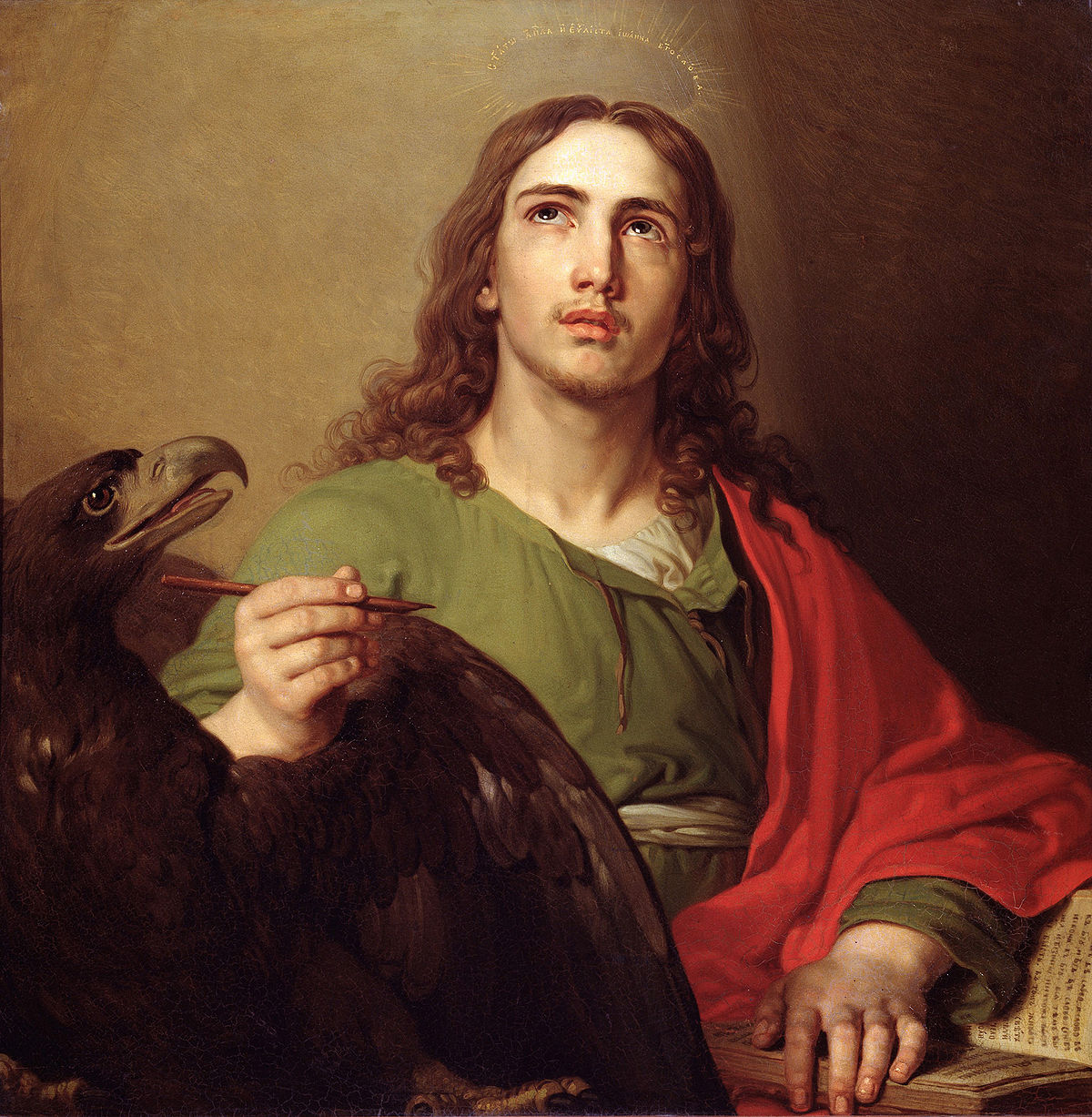
San Giovanni Apostolo, also known as Saint John the Apostle, is one of the most significant figures in Christian history. Revered as a key disciple of Jesus Christ, he is traditionally identified as the author of the Fourth Gospel, the Book of Revelation, and three Epistles. His life and works have left an indelible mark on Christian theology and tradition. In this comprehensive article, we will explore the life of San Giovanni Apostolo, his age, fame, and the key highlights that define his enduring legacy.
Early Life and Background
San Giovanni Apostolo was born around 10 AD in Bethsaida, a fishing village on the northern shore of the Sea of Galilee. He was the son of Zebedee, a fisherman, and Salome, who is often identified in Christian tradition as one of the women who followed Jesus. Giovanni, or John, as he is commonly known, was a fisherman by trade, following in the footsteps of his father.
John’s early life was deeply rooted in the Jewish traditions of his time. The region of Galilee, where he grew up, was a hotbed of religious activity and expectation, particularly with the growing anticipation of the coming Messiah. This environment of spiritual fervor likely played a role in shaping John’s early religious inclinations.
The Encounter with Jesus
John’s life changed irrevocably when he encountered Jesus of Nazareth. Around the age of 20, John was introduced to Jesus through John the Baptist, under whom he was initially a disciple. John the Baptist identified Jesus as “the Lamb of God,” prompting John and another disciple, Andrew, to follow Jesus. This moment marked the beginning of John’s journey as one of Jesus’ closest followers.
John, along with his brother James, was among the first disciples called by Jesus. The two brothers were nicknamed “Boanerges,” meaning “sons of thunder,” by Jesus, likely due to their fiery and zealous temperaments. John’s passionate nature is illustrated in the Gospels, where he once suggested calling down fire from heaven to destroy a Samaritan village that refused to receive Jesus, an idea that Jesus promptly rebuked.
Role Among the Apostles
Within the group of Jesus’ twelve apostles, John held a particularly important position. He, along with Peter and James, formed an inner circle that was present at several key moments in Jesus’ ministry. John was one of the few disciples who witnessed the Transfiguration of Jesus on Mount Tabor, where Jesus revealed his divine glory. He was also present during the raising of Jairus’s daughter and was with Jesus during his agony in the Garden of Gethsemane.
John’s close relationship with Jesus is further emphasized by his presence at the Last Supper, where he is traditionally identified as the “beloved disciple” who reclined next to Jesus. During this final meal, John inquired about the identity of the traitor who would betray Jesus, highlighting his deep trust and intimate relationship with the Lord.
Perhaps most poignantly, John was the only male disciple who remained at the foot of the cross during Jesus’ crucifixion. In a moment of profound significance, Jesus entrusted the care of his mother, Mary, to John, saying, “Woman, behold your son” and to John, “Behold your mother.” This act not only underscored John’s closeness to Jesus but also cemented his role as a caretaker of the early Christian community.
Evangelization and the Spread of Christianity
After Jesus’ resurrection, John played a crucial role in the early Christian church. He was among the first to visit the empty tomb on Easter morning, and he was quick to recognize the risen Jesus during an appearance by the Sea of Galilee. John’s recognition of Jesus’ resurrected form demonstrates his deep spiritual insight and his pivotal role in affirming the resurrection to other believers.
John’s evangelistic efforts were significant in the spread of Christianity. Together with Peter, John performed miracles and preached boldly in Jerusalem, which led to their arrest by the Jewish authorities. One of the most notable miracles attributed to John is the healing of a lame man at the Temple gate, a miracle that stirred significant attention and led to his and Peter’s imprisonment. Despite the persecution, John remained steadfast in his mission, continuing to preach and convert many to the Christian faith.
John’s missionary work extended beyond Jerusalem. He eventually moved to Asia Minor, where he focused his efforts on spreading Christianity in the city of Ephesus. Ephesus was one of the most important cities of the Roman Empire, and it became a major center for early Christian thought, largely due to John’s influence. It is believed that John established and led the Christian community there for many years.
Exile on Patmos and the Book of Revelation
John’s commitment to spreading Christianity did not go unnoticed by the Roman authorities, who were often hostile to the new faith. During the reign of Emperor Domitian, around 95 AD, John was exiled to the island of Patmos, located in the Aegean Sea. This period of exile, however, became one of the most significant times in John’s life, as it was on Patmos that he received the visions that would become the Book of Revelation.
The Book of Revelation, also known as the Apocalypse, is one of the most complex and symbolically rich texts in the New Testament. It describes John’s prophetic visions of the end times, the final judgment, and the ultimate triumph of good over evil. The imagery in Revelation—such as the Four Horsemen of the Apocalypse, the Beast, and the New Jerusalem—has had a profound influence on Christian eschatology and has been the subject of extensive theological interpretation.
The writing of Revelation cemented John’s reputation as not only an apostle but also a prophet. His visions are believed to have been divinely inspired, providing a message of hope and perseverance to the early Christian communities facing persecution. The Book of Revelation continues to be a source of fascination and study for theologians, scholars, and believers alike.
The Legacy of Saint John
John returned to Ephesus after his exile, where he continued his ministry until his death around 98 AD. According to tradition, John was the last surviving apostle, and unlike the other apostles, he is believed to have died of natural causes rather than martyrdom. This distinction further emphasizes his unique role among the apostles and his long-lasting influence on the Christian faith.
John’s contributions to Christian theology are immeasurable. As the author of the Gospel of John, he provided a unique perspective on the life and teachings of Jesus. The Gospel of John is distinct from the Synoptic Gospels (Matthew, Mark, and Luke) in its theological depth and its emphasis on the divinity of Christ. John’s portrayal of Jesus as the “Word made flesh” and his exploration of themes such as light, life, and love have made his gospel a cornerstone of Christian theology.
In addition to the Gospel and the Book of Revelation, John is traditionally credited with writing three epistles (1 John, 2 John, and 3 John) that are included in the New Testament. These letters address key issues facing the early Christian communities, including the nature of Christ, the importance of love, and the need for unity among believers. John’s writings continue to be a source of spiritual guidance and theological reflection for Christians around the world.
Cult and Iconography
San Giovanni Apostolo has been venerated since the earliest days of the Christian church. His feast day is celebrated on December 27th, and he is honored as the patron saint of theologians, writers, and publishers. John’s symbol is the eagle, which represents the soaring heights of his theological insight, particularly as reflected in the prologue of his gospel, where he contemplates the “True Light” of the Word of God.
In Christian art, John is often depicted as a young man, reflecting his close relationship with Jesus and his role as the “beloved disciple.” He is frequently shown holding a book or scroll, symbolizing his contributions to the New Testament, and is sometimes depicted with an eagle, his traditional symbol.
John’s legacy is also preserved in numerous churches and basilicas dedicated to his memory, particularly in Ephesus, where tradition holds that he was buried. The Basilica of St. John in Ephesus was a major pilgrimage site during the Byzantine era, and even today, it remains a site of great religious significance.
Conclusion
San Giovanni Apostolo’s life is a testament to the transformative power of faith and devotion. From his early days as a fisherman in Galilee to his role as a key figure in the early Christian church, John’s contributions to Christianity are unparalleled. His writings have shaped Christian theology, providing a profound exploration of the nature of Christ and the ultimate destiny of humanity.
John’s enduring legacy is evident in the ongoing veneration he receives, the theological influence of his writings, and his role as a symbol of love, light, and truth in the Christian tradition. As the last of the apostles and the author of some of the most significant texts in the New Testament, San Giovanni Apostolo continues to inspire believers with his unwavering faith and deep spiritual insight.
His life and works serve as a beacon of hope and a reminder of the profound impact that one individual can have on the world through their faith, courage, and commitment to truth. As we reflect on the life of San Giovanni Apostolo, we are reminded of the enduring power of the Gospel and the light that shines through the darkness, a light that John so eloquently captured in his writings and in his life.


