
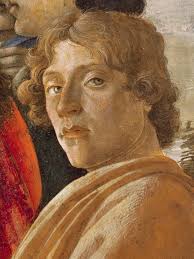
Sandro Botticelli, born Alessandro di Mariano di Vanni Filipepi on March 1, 1445, in Florence, Italy, is one of the most renowned painters of the Early Renaissance. His work, characterized by its detailed elegance and linear grace, represents a pinnacle of Florentine art. This article explores Botticelli’s life, his rise to fame, and the significant highlights of his artistic journey.
Early Life and Artistic Training
Botticelli was born into a modest family in Florence, a city that was then a burgeoning hub of artistic and cultural activity. Little is known about his early childhood, but it is believed that he showed an early aptitude for art. His nickname, Botticelli, which means “little barrel,” was derived from his older brother Giovanni’s nickname, Botticello.
Apprenticeship with Fra Filippo Lippi
Around the age of 25, Botticelli became an apprentice to Fra Filippo Lippi, one of the most esteemed painters in Florence. Lippi’s influence is evident in Botticelli’s early works, particularly in his use of delicate lines and detailed compositions. Lippi introduced Botticelli to the techniques of fresco painting and the subtleties of human expression, elements that would become hallmarks of Botticelli’s style.
Influence of Verrocchio’s Workshop
Botticelli also spent time in the workshop of Andrea del Verrocchio, a leading sculptor and painter of the time. Verrocchio’s studio was a training ground for many prominent artists, including Leonardo da Vinci. This experience further honed Botticelli’s skills, particularly in the depiction of anatomical precision and the use of perspective.
Rise to Fame in Florence
By the mid-1470s, Botticelli had established his own workshop in Florence and began to gain recognition for his artistic talent. His early works, such as various depictions of the Madonna, showcased his mastery of form and composition.
Patronage of the Medici Family
A significant turning point in Botticelli’s career was his association with the powerful Medici family. Lorenzo de’ Medici, known as Lorenzo the Magnificent, became a major patron of the arts and supported Botticelli’s work. This patronage provided Botticelli with prestigious commissions and access to an influential network of intellectuals and artists.
Iconic Works: “Primavera” and “The Birth of Venus”
Two of Botticelli’s most famous paintings, “Primavera” and “The Birth of Venus,” were likely commissioned by the Medici family. “Primavera,” completed around 1482, is a complex allegorical work celebrating the arrival of spring. It features figures from classical mythology, including Venus, Cupid, and the Three Graces, set in a lush, garden-like landscape.
“The Birth of Venus,” painted around 1485, depicts the goddess Venus emerging from the sea on a shell, symbolizing beauty and love. This painting, with its ethereal beauty and graceful composition, has become one of the most iconic images of the Renaissance.
Contributions to the Sistine Chapel
In the early 1480s, Botticelli was called to Rome by Pope Sixtus IV to contribute to the decoration of the Sistine Chapel. He worked alongside other prominent artists such as Perugino, Ghirlandaio, and Cosimo Rosselli. Botticelli’s frescoes, including “The Temptation of Christ” and “The Punishment of the Rebels,” demonstrate his ability to convey complex narratives with clarity and elegance.
Later Years and Changing Influences
As Botticelli matured, his work began to reflect a shift in tone and subject matter. The harmonious, idyllic compositions of his earlier years gave way to more intense and dramatic themes, possibly influenced by the changing political and religious climate in Florence.
Influence of Savonarola
The rise of the Dominican friar Girolamo Savonarola, who preached against the moral decay of society and the excesses of the Medici family, had a profound impact on Botticelli. Savonarola’s fiery sermons and calls for reform resonated with many Florentines, including Botticelli. Some art historians believe that Botticelli may have destroyed some of his own secular works in response to Savonarola’s influence.
Illustrations for Dante’s Divine Comedy
During this later period, Botticelli also created a series of drawings to illustrate Dante Alighieri’s “Divine Comedy.” These intricate and detailed illustrations showcase Botticelli’s mastery of line and his ability to convey complex narratives through visual art.
Legacy and Influence
Sandro Botticelli passed away on May 17, 1510, in Florence. He was 65 years old. Despite experiencing a decline in popularity towards the end of his life, his legacy has endured through the centuries.
Artistic Style and Innovations
Botticelli’s work is characterized by its linear elegance, harmonious compositions, and a keen attention to detail. His ability to convey emotion and narrative through subtle gestures and expressions set him apart from his contemporaries. Botticelli’s paintings often blend classical themes with contemporary humanist ideals, reflecting the intellectual currents of his time.
Preservation and Appreciation
Many of Botticelli’s masterpieces are housed in major art institutions around the world. The Uffizi Gallery in Florence holds a significant collection of his works, including “Primavera” and “The Birth of Venus.” Other notable pieces are found in the Louvre in Paris, the National Gallery in London, and the Metropolitan Museum of Art in New York.
Conclusion
Sandro Botticelli’s life and work epitomize the artistic achievements of the Florentine Renaissance. His contributions to art, characterized by their beauty, grace, and intellectual depth, continue to captivate audiences and inspire artists today. Botticelli’s legacy is a testament to the enduring power of art to transcend time and connect us with the cultural and intellectual heritage of the past.


