
Introduction
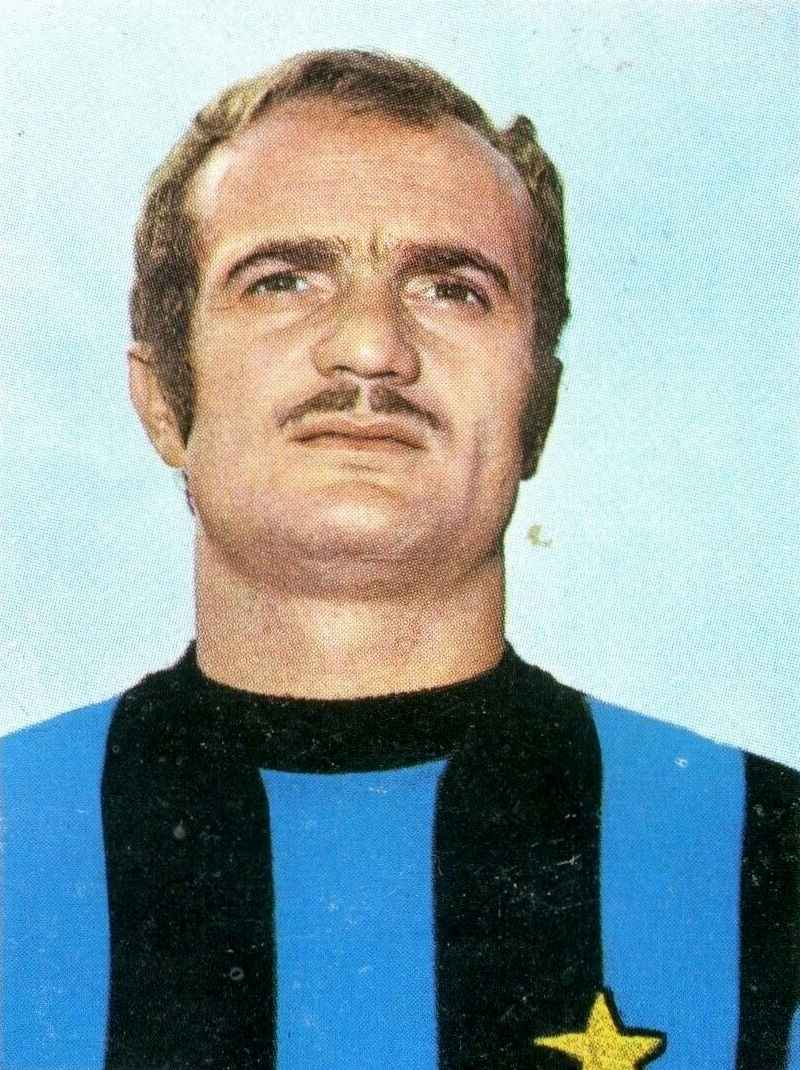
Sandro Mazzola is a name that resonates with football enthusiasts around the world, particularly in Italy, where he is regarded as one of the greatest footballers of all time. Known for his technical skills, vision on the field, and his remarkable career with Inter Milan and the Italian national team, Mazzola’s influence on the sport is profound. This article delves into the life, career, and legacy of Sandro Mazzola, offering a comprehensive look at the man who became a symbol of Italian football during its golden era.
Early Life and Family Background
Alessandro “Sandro” Mazzola was born on November 8, 1942, in Turin, Italy, into a family deeply rooted in football. His father, Valentino Mazzola, was a legendary footballer who captained the “Grande Torino,” the team considered one of the best in the world during the 1940s. Unfortunately, tragedy struck in 1949 when Valentino and almost the entire Torino team perished in the Superga air disaster. This event left a profound impact on young Sandro, shaping his future in the sport that had claimed his father’s life.
After the tragedy, Sandro and his younger brother Ferruccio were raised by their mother in Cassano d’Adda, a small town near Milan. Despite the shadow of his father’s legacy, Sandro was passionate about football from a young age. He began playing in local teams, and it wasn’t long before his talent caught the attention of professional scouts.
Early Career and Rise to Fame
Sandro Mazzola’s football journey began in earnest when he joined the youth team of Inter Milan, one of Italy’s most prestigious clubs, in the late 1950s. His potential was evident, and he quickly rose through the ranks. By 1960, he was ready to make his mark on the first team.
Mazzola made his Serie A debut on June 10, 1961, in a match against Juventus, where Inter fielded a youth team in protest against a controversial decision to replay a previous match. Despite the overwhelming 9-1 loss, Mazzola managed to score a goal, marking the beginning of what would become a legendary career.
Under the guidance of the iconic coach Helenio Herrera, Mazzola’s role on the team evolved. Originally positioned as a central midfielder, Herrera recognized Mazzola’s potential as an attacking player and moved him to a more advanced role. This strategic shift allowed Mazzola to utilize his dribbling skills, vision, and scoring ability, making him one of the most formidable players in Serie A.
The Golden Era with Inter Milan
The 1960s marked a golden era for Inter Milan, and Sandro Mazzola was at the heart of it. The team, known as “La Grande Inter,” dominated both domestically and internationally. Mazzola played a crucial role in leading Inter to four Serie A titles (1962-63, 1964-65, 1965-66, and 1970-71) during this period. His partnership with fellow forward Luis Suárez and winger Jair da Costa created one of the most potent attacking trios in football history.
Mazzola’s crowning achievements came in the European Cup (now known as the UEFA Champions League). Inter Milan won the prestigious tournament twice consecutively, in 1964 and 1965. Mazzola was instrumental in both victories, particularly in the 1964 final against Real Madrid, where he scored two goals in a 3-1 win, cementing his place as one of Europe’s elite players.
In addition to his success in the European Cup, Mazzola also helped Inter Milan secure two Intercontinental Cups in 1964 and 1965. These victories established Inter Milan as the best club team in the world and further solidified Mazzola’s reputation as a footballing genius.
International Career and the “Staffetta” Controversy
Sandro Mazzola’s international career with the Italian national team was equally illustrious, though not without its controversies. He earned his first cap for Italy in 1963 and quickly became a key player for the Azzurri. Mazzola was part of the squad that won the 1968 European Championship, Italy’s first major international trophy. His performances in the tournament were crucial, as he provided the creative spark needed to unlock opposing defenses.
However, Mazzola’s international career is perhaps most famously remembered for the “staffetta” (relay) controversy during the 1970 FIFA World Cup in Mexico. The Italian team was blessed with two world-class playmakers: Mazzola and Gianni Rivera of AC Milan. The team’s coach, Ferruccio Valcareggi, found it difficult to accommodate both players in the starting lineup, leading to a compromise where Mazzola would play the first half of matches, and Rivera would take over in the second half.
This strategy became a focal point of debate, particularly during the semi-final match against West Germany, often referred to as the “Game of the Century.” Mazzola started the match, but it was Rivera who scored the decisive goal in extra time, securing Italy’s place in the final. However, in the final against Brazil, Mazzola started the match, and Rivera was only brought on late in the game, by which time Brazil had taken control. Italy lost 4-1, and the “staffetta” strategy was heavily criticized.
Despite the controversy, Mazzola’s contributions to the Italian national team were significant. He earned 70 caps and scored 22 goals for his country, leaving an indelible mark on Italian football history.
Later Career and Retirement
Sandro Mazzola continued to play for Inter Milan until his retirement in 1977. Over the course of his career, he made 417 appearances in Serie A, scoring 116 goals. His loyalty to Inter, where he spent his entire career, made him a beloved figure among the club’s fans, and his achievements on the field ensured his status as a club legend.
After retiring as a player, Mazzola remained closely connected to the world of football. He took on various roles within Inter Milan’s management, including serving as the club’s sporting director. His knowledge of the game and his eye for talent were instrumental in shaping Inter’s strategy during the late 1970s and early 1980s.
Mazzola also ventured into broadcasting, becoming a respected football commentator. His insights and analysis, drawn from years of experience at the highest levels of the game, made him a popular figure on Italian television. His commentary during Italy’s 1982 World Cup triumph brought his career full circle, allowing him to witness another generation of Italian footballers achieve greatness.
Legacy and Impact
Sandro Mazzola’s legacy in football is immense. He is often cited as one of the greatest Italian footballers of all time, and his contributions to Inter Milan and the Italian national team are remembered with great reverence. Mazzola’s style of play—marked by his technical prowess, vision, and ability to score crucial goals—set the standard for attacking midfielders and forwards who followed in his footsteps.
Mazzola’s career also highlights the evolution of football during the 1960s and 1970s, a period when the sport became more globalized, and European club competitions began to take on the significance they hold today. His success with Inter Milan on the European stage helped to elevate the profile of Italian football internationally.
Off the field, Mazzola’s influence continued through his roles in management and media. His contributions to the development of football, both as a player and as a mentor, have left a lasting impact on the sport in Italy and beyond.
Conclusion
Sandro Mazzola’s journey from the son of a football legend to becoming a legend in his own right is a story of talent, dedication, and resilience. His achievements with Inter Milan and the Italian national team during a golden era of football have earned him a place among the sport’s all-time greats. As a player, manager, and commentator, Mazzola has left an indelible mark on the game, and his legacy continues to inspire future generations of footballers.
Whether remembered for his dazzling performances on the field or his contributions off it, Sandro Mazzola’s name will forever be synonymous with excellence in football. His story is a testament to the enduring power of sport to shape lives, create legacies, and bring people together in the pursuit of greatness.


