
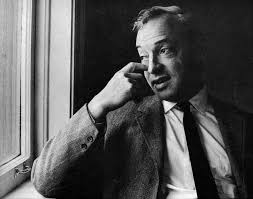
Saul Bellow, born on June 10, 1915, in Lachine, Quebec, is a towering figure in American literature. He won the Nobel Prize for Literature in 1976 and is celebrated for his profound contributions to 20th-century literature. This article explores Bellow’s life, career, and the significant milestones that shaped his journey.
Early Life and Background
Saul Bellow was born Solomon Bellows to Russian immigrant parents, Abraham Belo and Lescha Gordin, who settled in Canada in 1913. His early years were spent in a multicultural neighborhood in Montreal, surrounded by other immigrant families, including Russians, Poles, Ukrainians, Greeks, and Italians. This diverse environment influenced Bellow’s worldview and later his literary work.
In 1924, a pivotal event occurred that would shape Bellow’s life. His father, who was a fabric salesman and also involved in bootlegging during Prohibition, was brutally beaten. This incident led the family to move to Chicago, seeking a fresh start. The young Saul Bellow, who had been seriously ill with pneumonia, found himself in a new city that would later become central to his literary universe.
Education and Early Writing
Bellow’s academic journey began at the University of Chicago, but he soon transferred to Northwestern University, where he studied anthropology and sociology. He graduated in 1937. His academic background in these fields profoundly influenced his literary work, providing a deep understanding of human behavior and societal structures.
His first novel, “Dangling Man,” published in 1944, reflected his existential concerns and was well-received by critics. This success earned him a Guggenheim Fellowship, allowing him to spend two years in Europe. During this time, he continued to write and draw inspiration from his surroundings.
Personal Life and Influences
Bellow’s personal life was marked by five marriages and numerous relationships. His first wife, Anita Goshkin, whom he married in 1937, bore him a son. Bellow’s experiences with marriage and relationships often found their way into his novels, providing a rich tapestry of emotional and psychological depth.
Bellow’s Jewish heritage also played a significant role in his work. Although he did not consider himself a religious writer, his cultural background provided a lens through which he examined the human condition. His characters often grappled with issues of identity, morality, and the search for meaning in a chaotic world.
Major Works and Themes
“The Adventures of Augie March” (1953)
Bellow’s third novel, “The Adventures of Augie March,” is considered a masterpiece of modern American literature. The novel chronicles the life of its eponymous hero, Augie March, a young man growing up during the Great Depression. Augie’s journey through various jobs, relationships, and adventures reflects the broader American experience, capturing the spirit of optimism and resilience.
The novel’s style, characterized by its exuberant prose and richly detailed characters, set it apart from contemporary works. It marked a departure from the more restrained narratives of the time, embracing a more freewheeling, expansive approach.
“Herzog” (1964)
One of Bellow’s most celebrated novels, “Herzog,” delves into the life of Moses Herzog, a professor who undergoes a personal crisis. The novel is known for its epistolary form, with Herzog writing letters to friends, family, and even historical figures as he attempts to make sense of his life. Through Herzog’s introspective journey, Bellow explores themes of intellectualism, emotional turmoil, and the quest for authenticity.
“Mr. Sammler’s Planet” (1970)
“Mr. Sammler’s Planet” follows Artur Sammler, a Holocaust survivor living in New York City. The novel examines themes of survival, morality, and the disillusionment of the modern world. Sammler’s reflections on society’s ills and his own experiences provide a poignant critique of contemporary culture.
“Humboldt’s Gift” (1975)
“Humboldt’s Gift,” which won the Pulitzer Prize, tells the story of Charlie Citrine, a successful writer reflecting on his life and career. The novel explores the relationship between Citrine and his mentor, Von Humboldt Fleisher, a poet whose life has fallen into disarray. Through their interactions, Bellow examines themes of artistic integrity, friendship, and the pursuit of meaning.
Nobel Prize and Later Works
In 1976, Bellow was awarded the Nobel Prize for Literature. The Nobel Committee praised his work for its “human understanding and subtle analysis of contemporary culture.” This accolade cemented his status as one of the preeminent writers of his time.
Following the Nobel Prize, Bellow continued to write prolifically. His later works include “The Dean’s December” (1982), “More Die of Heartbreak” (1987), and “Ravelstein” (2000). “Ravelstein,” inspired by his friend Allan Bloom, provides a candid portrayal of a gay intellectual in the later stages of his life, showcasing Bellow’s willingness to tackle complex and often controversial subjects.
Legacy and Impact
Saul Bellow’s influence on literature extends beyond his novels. He was a mentor to many writers and a prominent figure in the literary community. His work is characterized by its deep psychological insight, rich character development, and exploration of existential themes.
Bellow’s characters, often intellectuals grappling with personal and societal dilemmas, resonate with readers for their authenticity and depth. His prose, marked by its vitality and precision, has set a high standard for literary excellence.
Exploration of Identity and Morality
Bellow’s exploration of identity and morality is a recurring theme in his work. His characters often face moral quandaries, reflecting the complexities of the human condition. This exploration is particularly evident in “Herzog,” where the protagonist’s introspective letters reveal his inner conflicts and search for meaning.
Critique of Modern Society
Bellow’s critique of modern society is another significant aspect of his work. In novels like “Mr. Sammler’s Planet” and “Humboldt’s Gift,” he examines the disillusionment and moral decay he perceives in contemporary culture. Through his characters’ experiences, Bellow offers a poignant commentary on the challenges of modernity.
Influence on American Literature
Bellow’s impact on American literature is profound. He is credited with bringing a new level of intellectual rigor and psychological depth to the novel form. His work has influenced countless writers, and his contributions to literature continue to be celebrated.
Conclusion
Saul Bellow’s life and work embody the richness and complexity of 20th-century American literature. From his early years in Montreal and Chicago to his rise as a Nobel laureate, Bellow’s journey is marked by a relentless pursuit of literary excellence. His novels, characterized by their deep psychological insight, vibrant prose, and exploration of existential themes, remain essential reading for anyone interested in understanding the human condition.
Bellow’s legacy as a writer and thinker endures, inspiring new generations of readers and writers. His profound understanding of the human experience, coupled with his exceptional literary talent, ensures that his work will continue to resonate and influence the world of literature for years to come.


