
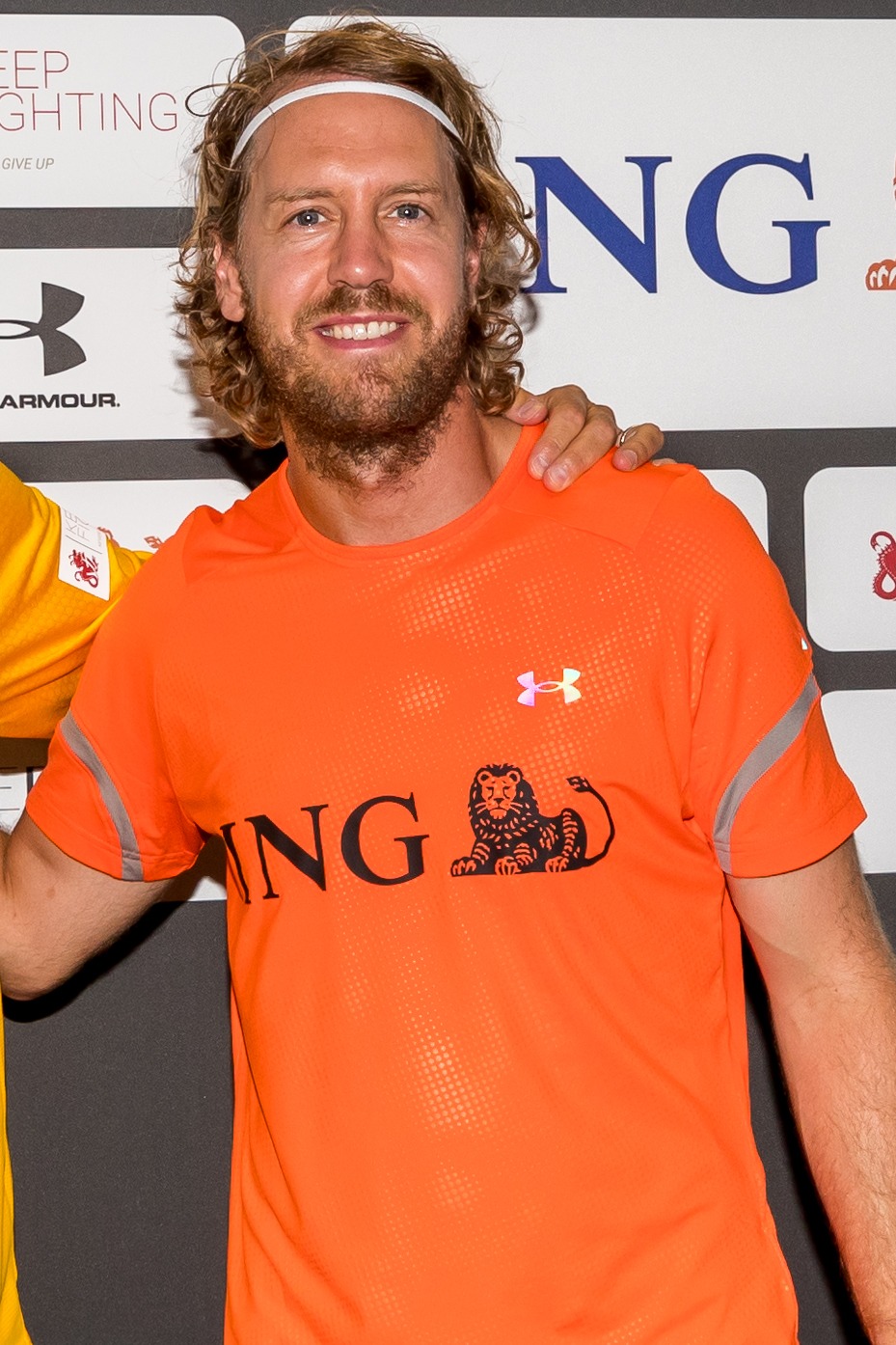
Sebastian Vettel is a name that resonates deeply in the world of Formula 1, a sport where speed, precision, and nerves of steel are paramount. Born on July 3, 1987, in Heppenheim, Germany, Vettel’s journey from a young karting enthusiast to a four-time Formula 1 World Champion is nothing short of legendary. This article explores the life, career, and achievements of Sebastian Vettel, offering insights into the factors that have shaped his path to fame and how he has left an indelible mark on the world of motorsport.
Early Life and Introduction to Racing
Sebastian Vettel’s story begins in the small town of Heppenheim, where he was born into a family that nurtured his love for racing. By the age of eight, Vettel was already competing in karting events, showcasing a natural talent that would soon set him apart from his peers. His early success in karting was a precursor to what would become a remarkable career in racing.
In 2003, at just 16 years old, Vettel transitioned to open-wheel racing, competing in the German Formula BMW Championship. His debut season was nothing short of spectacular, as he secured 18 victories out of 20 races, clinching the championship with an overwhelming display of skill and consistency. This early dominance in the sport marked Vettel as a future star, setting the stage for his ascent in the racing world.
Rising Through the Ranks: Formula 3 and Beyond
After his success in Formula BMW, Vettel quickly advanced to the Formula 3 Euro Series, where he continued to impress. In 2005, driving for Asl Mucke Motorsport, he finished fifth overall and earned the title of the best rookie in the series. The following year, he narrowly missed out on the championship, finishing second to Paul di Resta. During this period, Vettel also made appearances in the Formula Renault 3.5 Series, further honing his skills in preparation for the challenges ahead.
Despite an injury that could have sidelined his progress, Vettel’s determination never wavered. He participated in the Masters of Formula 3 at Zandvoort in the Netherlands, finishing a commendable sixth after setting the third-fastest time in qualifying. His performance caught the attention of key figures in the motorsport world, leading to his role as a test driver for the BMW Sauber Formula 1 team.
Breaking into Formula 1
In 2006, at the age of 19, Sebastian Vettel made his debut as a test driver for the BMW Sauber team, becoming the youngest driver to participate in a Formula 1 race weekend. His performance during the practice sessions, particularly his fastest lap in the second practice at the Turkish Grand Prix, earned him widespread praise, including commendations from the legendary Michael Schumacher.
Vettel’s official Formula 1 debut came in 2007 at the United States Grand Prix, where he replaced the injured Robert Kubica. In his first race, Vettel finished eighth, becoming the youngest driver at the time to score points in Formula 1. This impressive debut was a sign of things to come, as Vettel continued to prove himself as a formidable talent in the sport.
Later that year, Vettel joined the Toro Rosso team, where he began to showcase his potential as a future champion. At the 2007 Japanese Grand Prix, he narrowly missed out on his first podium finish, but his fourth-place finish at the Chinese Grand Prix solidified his reputation as one of the most promising young drivers on the grid.
The Breakthrough: 2008 and Beyond
The 2008 season marked a turning point in Sebastian Vettel’s career. Driving for Toro Rosso, Vettel achieved his first pole position and race victory at the Italian Grand Prix in Monza. At just 21 years and 73 days old, he became the youngest driver in history to win a Formula 1 race, a record that highlighted his extraordinary talent and composure under pressure.
Vettel’s victory at Monza was a defining moment, not just for his career but for the sport itself. His win was also notable for being achieved in wet conditions, a testament to his skill and maturity as a driver. Following this triumph, Vettel continued to deliver strong performances, finishing the season in eighth place overall and securing his move to Red Bull Racing for the 2009 season.
Dominance with Red Bull Racing
Sebastian Vettel’s time with Red Bull Racing marked the most successful period of his career. In 2009, he secured his first victory with the team at the Chinese Grand Prix, leading a one-two finish for Red Bull alongside teammate Mark Webber. This victory was the beginning of a new era for Vettel and Red Bull Racing, as they quickly established themselves as dominant forces in the sport.
The 2010 season was a rollercoaster for Vettel, with a mix of victories, podiums, and retirements. However, despite the challenges, Vettel’s consistency and determination paid off. In the final race of the season at the Abu Dhabi Grand Prix, Vettel secured the victory and, with it, his first Formula 1 World Championship. At 23 years old, he became the youngest World Champion in the history of the sport, a record that still stands today.
Vettel’s success continued in the following years. He won the World Championship again in 2011, 2012, and 2013, becoming only the third driver in history to win four consecutive titles, joining the ranks of legends like Juan Manuel Fangio and Michael Schumacher. During this period, Vettel’s dominance was unparalleled, with his 2011 season being particularly remarkable for his 15 pole positions and 11 race victories.
Transition to Ferrari: New Challenges
In 2014, Sebastian Vettel made the highly anticipated move to Scuderia Ferrari, a team with a storied history and immense pressure to succeed. His first season with Ferrari in 2015 was impressive, as he finished third in the drivers’ standings and secured three race victories. Vettel’s arrival at Ferrari was seen as the beginning of a new chapter for the team, which had been struggling to reclaim its former glory.
Despite the initial success, Vettel’s time at Ferrari was marked by both highs and lows. The 2016 season was challenging, with Vettel finishing fourth in the championship, unable to compete with the dominant Mercedes team. However, 2017 and 2018 saw Vettel return to form, finishing as the runner-up to Lewis Hamilton in both seasons. These years were characterized by intense battles between Vettel and Hamilton, with the two drivers pushing each other to the limit in pursuit of the title.
Unfortunately, the 2019 season proved to be difficult for Vettel. Ferrari’s performance was inconsistent, and Vettel found himself outpaced by his younger teammate, Charles Leclerc. Despite these challenges, Vettel remained a key figure in the team, contributing to Ferrari’s efforts both on and off the track.
The Final Chapter: Aston Martin and Retirement
In 2021, Sebastian Vettel embarked on a new challenge, joining the Aston Martin team. The move was seen as a fresh start for Vettel, who was eager to prove that he still had the speed and skill to compete at the highest level. While the Aston Martin car was not as competitive as some of the other teams, Vettel’s experience and determination shone through. He achieved several strong finishes, including a podium at the Azerbaijan Grand Prix, reminding the world of his exceptional talent.
However, by mid-2022, Vettel announced his decision to retire from Formula 1 at the end of the season. This announcement marked the end of an era in the sport, as one of the most successful and respected drivers of his generation prepared to hang up his racing helmet.
Legacy and Impact on Motorsport
Sebastian Vettel’s legacy in Formula 1 is one of excellence, determination, and sportsmanship. With four World Championships, 53 race victories, and 57 pole positions, Vettel is firmly established as one of the greatest drivers in the history of the sport. His records and achievements place him alongside the legends of Formula 1, and his impact on the sport will be felt for years to come.
Beyond his success on the track, Vettel is also known for his commitment to important causes, including environmental sustainability and social justice. His outspokenness on these issues has earned him respect both within and outside the motorsport community, highlighting his role as a leader and advocate for positive change.
Conclusion
Sebastian Vettel’s journey from a young karting prodigy to a four-time Formula 1 World Champion is a testament to his talent, hard work, and passion for the sport. Throughout his career, Vettel has faced challenges, achieved incredible successes, and left an indelible mark on the world of motorsport. As he steps away from Formula 1, Vettel’s legacy will continue to inspire future generations of drivers, and his contributions to the sport will be remembered as some of the most significant in its history.


