
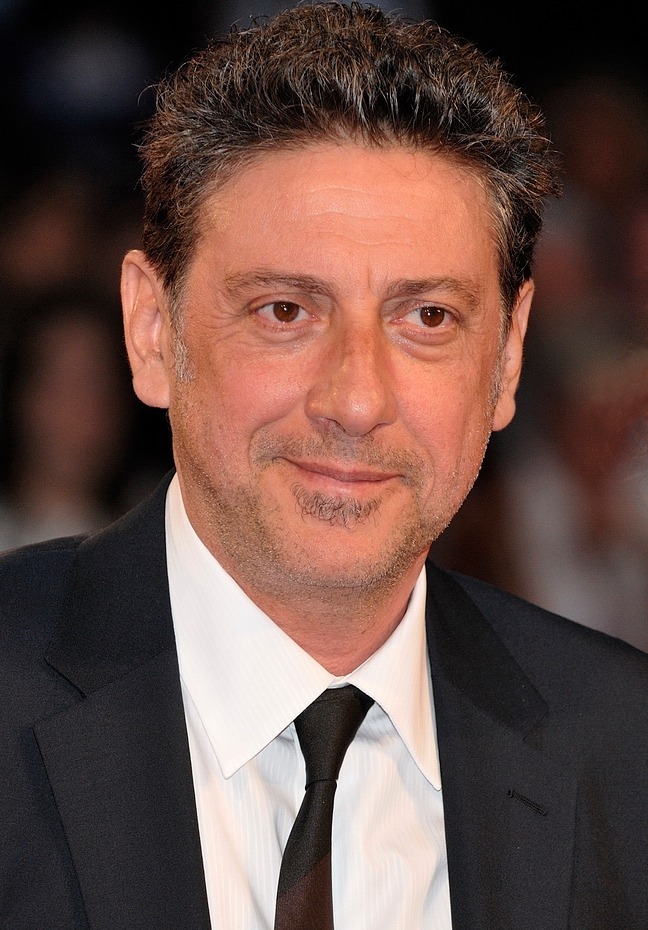
Sergio Castellitto, born on August 18, 1953, in Rome, Italy, is one of the most accomplished and versatile figures in contemporary Italian cinema and theater. His career spans over four decades, during which he has distinguished himself as an actor, director, and screenwriter. Known for his ability to seamlessly transition between comedy and drama, Castellitto has become a household name in Italy and has earned international recognition for his work in both European and Hollywood films. This article delves into the life, career, and legacy of Sergio Castellitto, providing detailed insights and exploring the nuances that have shaped his journey to fame.
Early Life and Theatrical Beginnings
Sergio Castellitto was born into a family with roots in Campobasso, a city in the Molise region of Italy. From a young age, Castellitto was drawn to the performing arts, and his passion for acting led him to study at the prestigious Accademia Nazionale d’Arte Drammatica in Rome. Although he did not complete his formal education, his time at the academy provided him with a solid foundation in dramatic arts, which would prove instrumental in his future career.
Castellitto made his theatrical debut at a young age, quickly earning the attention of prominent directors. He was directed by renowned figures such as Luigi Squarzina and Aldo Trionfo in productions like Il Candelaio (1981) and Girotondo da Schnitzler (1985), which showcased his versatility and talent. His early experiences in theater helped him hone his craft and laid the groundwork for his later success in film and television.
Marriage and Creative Collaboration with Margaret Mazzantini
In 1987, Sergio Castellitto married Margaret Mazzantini, a fellow actress and writer whom he met during the production of Anton Chekhov’s The Three Sisters. Their partnership, both personal and professional, has been a significant influence on Castellitto’s career. Mazzantini, an accomplished novelist, has written several works that Castellitto has adapted into successful films, further cementing their status as a creative powerhouse.
The couple has four children, one of whom, Pietro Castellitto, has followed in his parents’ footsteps, becoming both an actor and a director. The Castellitto-Mazzantini family is a prime example of how artistic talent can run in the family, with each member contributing to Italy’s rich cultural landscape.
Breakthrough in Television
Sergio Castellitto’s television debut came in 1982, but it was not until the mid-1980s that he became a regular presence on Italian television. One of his most notable early roles was in the series Un cane sciolto, directed by Giorgio Capitani, which garnered him widespread recognition.
Castellitto’s ability to portray a wide range of characters made him a sought-after actor for biographical roles. He delivered powerful performances as some of Italy’s most iconic figures, including the legendary cyclist Fausto Coppi (1995), the progressive educator Don Lorenzo Milani (1997), the revered Padre Pio (2000), and the automotive pioneer Enzo Ferrari (2003). Each of these roles demonstrated Castellitto’s skill in bringing historical and cultural icons to life, earning him critical acclaim and solidifying his reputation as one of Italy’s leading actors.
Transition to Cinema: Early Roles and Success
Castellitto made his film debut in 1981 with a minor role in Francesco Rosi’s Tre Fratelli. Though his part was small, it marked the beginning of a prolific film career. Over the next few years, Castellitto appeared in supporting roles in several films, gradually gaining recognition for his performances.
His breakthrough came with the film Sembra morto… ma è solo svenuto (1985), directed by Felice Farina. Castellitto not only starred in the film but also contributed to the script, showcasing his talent as a writer. The film’s success helped establish him as a leading actor in Italian cinema.
Throughout the late 1980s and early 1990s, Castellitto starred in a series of popular comedies, including Piccoli equivoci (1989) by Ricky Tognazzi and Stasera a casa di Alice (1990) by Carlo Verdone. These films resonated with audiences and demonstrated Castellitto’s ability to navigate both comedic and dramatic roles with equal finesse.
The 1990s: A Decade of Acclaim
The 1990s were a particularly fruitful period for Castellitto, during which he delivered some of his most memorable performances. Two of his standout films from this decade are Il grande cocomero (1993) by Francesca Archibugi and L’uomo delle stelle (1995) by Giuseppe Tornatore. Both films earned him the prestigious Nastri d’Argento awards and further cemented his status as a leading actor in Italian cinema.
Il grande cocomero is a poignant drama that explores the relationship between a child psychiatrist and his young patient. Castellitto’s portrayal of the compassionate and dedicated doctor was widely praised for its depth and sensitivity. In L’uomo delle stelle, directed by the Oscar-winning Giuseppe Tornatore, Castellitto played the role of a charismatic con artist who exploits the dreams of aspiring actors. The film was a critical and commercial success, and Castellitto’s performance was lauded for its complexity and nuance.
Directorial Debut and Collaboration with Margaret Mazzantini
In 1999, Sergio Castellitto made his directorial debut with the film Libero Burro, a dark comedy that explored themes of ambition and identity. Although the film received mixed reviews, it marked the beginning of Castellitto’s career as a director, a role he would continue to explore in the years to come.
Castellitto’s most successful directorial effort came in 2004 with Non ti muovere, an adaptation of the novel by Margaret Mazzantini. The film, which starred Castellitto alongside Penélope Cruz, was a critical and commercial success. It earned Castellitto a David di Donatello award, Italy’s highest film honor, and established him as a formidable director. Non ti muovere was praised for its raw emotional intensity and compelling storytelling, and it further solidified the creative partnership between Castellitto and Mazzantini.
International Recognition and Hollywood Roles
Sergio Castellitto’s talent did not go unnoticed beyond Italy’s borders. He became a sought-after actor in France, where he worked with several prominent directors. His international breakthrough came with his role as King Miraz in the 2008 film The Chronicles of Narnia: Prince Caspian, a major Hollywood production. Castellitto’s portrayal of the villainous king brought him to the attention of global audiences and showcased his versatility as an actor.
Despite his success in Hollywood, Castellitto remained committed to European cinema, continuing to take on challenging roles in Italian and French films. His ability to work across different languages and cultures has made him a truly international star, admired for his adaptability and skill.
The 2000s and Beyond: Continued Success
The 2000s saw Castellitto continue to deliver strong performances in both film and television. He returned to the director’s chair for several films, including Il regista di matrimoni (2006) and La stella che non c’è (2006), both of which received critical acclaim.
One of his most notable roles during this period was in Il talento del calabrone (2020), a thriller that further demonstrated his ability to excel in a wide range of genres. In 2020, Castellitto also portrayed the Italian poet and nationalist Gabriele D’Annunzio in Il cattivo poeta, a biographical drama that was well-received by critics and audiences alike.
In addition to his work in film, Castellitto has remained active in television, taking on challenging roles that continue to captivate viewers. In 2023, he portrayed General Carlo Alberto Dalla Chiesa in the television series Il nostro generale – Il ritorno, a role that allowed him to once again bring a complex historical figure to life.
Legacy and Influence
Sergio Castellitto’s impact on Italian cinema and television cannot be overstated. His ability to move effortlessly between acting, directing, and screenwriting has made him one of the most versatile and respected figures in the industry. His collaborations with Margaret Mazzantini have resulted in some of the most powerful and emotionally resonant films in contemporary Italian cinema.
Castellitto’s work has not only entertained but also provoked thought and discussion on a wide range of social and cultural issues. His performances are marked by their emotional depth and complexity, often exploring the darker aspects of human nature with empathy and understanding.
As an educator and mentor, Castellitto has also played a significant role in nurturing the next generation of Italian filmmakers and actors. His influence can be seen in the work of younger artists who have been inspired by his commitment to storytelling and his dedication to his craft.
Conclusion: Sergio Castellitto’s Enduring Legacy
Sergio Castellitto’s career is a testament to his extraordinary talent and versatility. From his early days in theater to his success in film and television, Castellitto has consistently pushed the boundaries of his craft, delivering performances that are as nuanced as they are powerful. His work as a director has further expanded his influence, allowing him to shape the stories he tells with a unique and personal vision.
Today, Sergio Castellitto is not only a celebrated actor and director but also a cultural icon whose contributions to Italian and international cinema will be remembered for generations to come. His legacy is one of artistic excellence, creative collaboration, and a deep commitment to the art of storytelling.


