
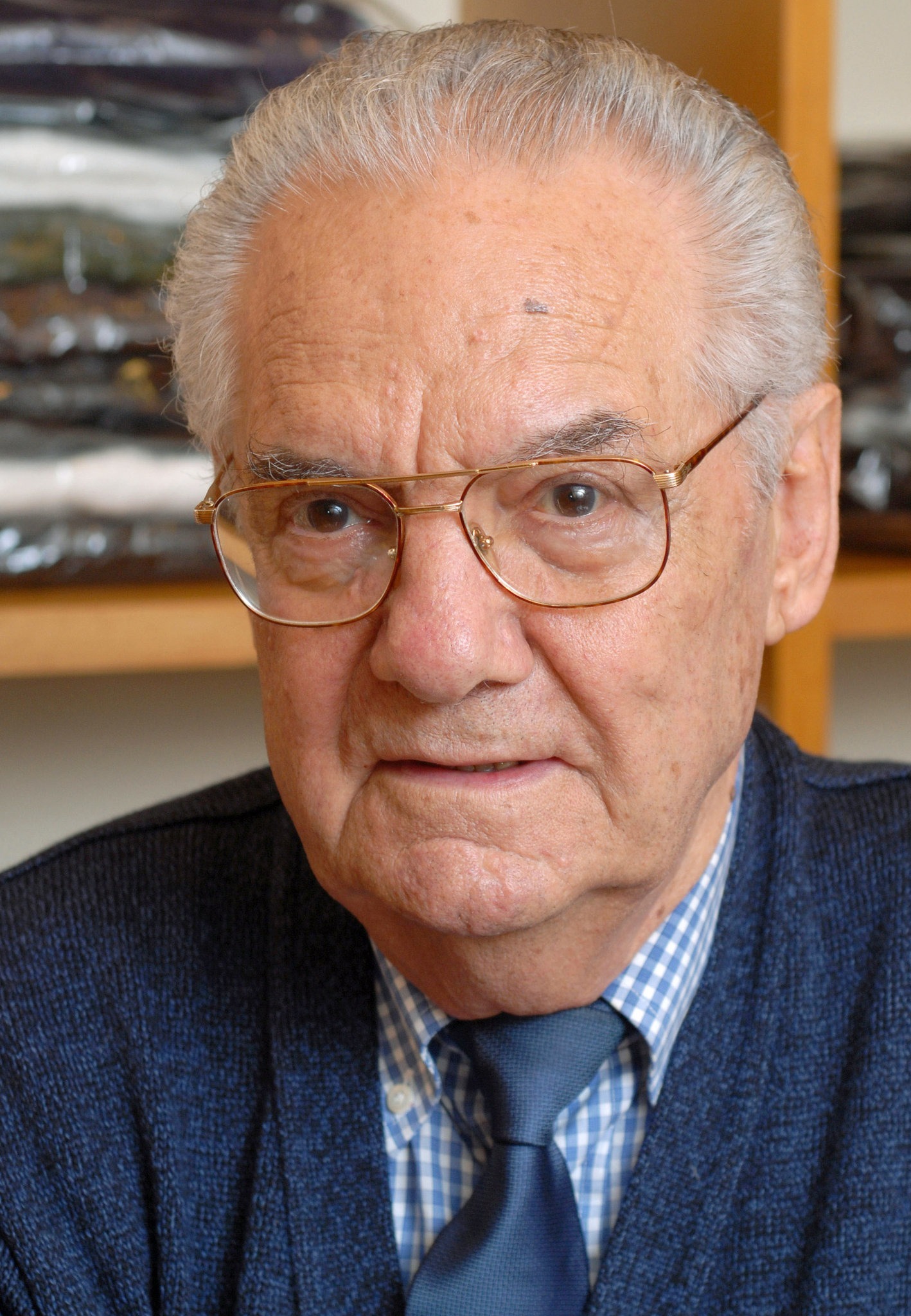
Shlomo Venezia, a name that resonates with the haunting memories of the Holocaust, was born on December 29, 1923, in Salonika, Greece. Of Italian Jewish descent, he became one of the most significant witnesses to one of the darkest periods in human history. Shlomo Venezia’s life story is not just one of survival but also of bearing witness to the atrocities committed during World War II, particularly in the Auschwitz-Birkenau concentration camp.
Early Life and Deportation
Shlomo Venezia’s early life in Salonika was typical of many Jewish families in the region. Salonika, at that time, was home to one of the largest Jewish communities in Europe, with a rich cultural and religious heritage. However, this vibrant community was soon to be decimated by the horrors of the Holocaust. In April 1944, Shlomo and his family were arrested by the Nazis and deported to the Auschwitz-Birkenau concentration camp in Poland.
Auschwitz-Birkenau and the Sonderkommando
Auschwitz-Birkenau was one of the most infamous of the Nazi concentration camps, a place where over a million Jews, along with other minorities and political prisoners, were systematically murdered. Upon arrival, prisoners were subjected to a brutal selection process conducted by Nazi doctors. Those deemed unfit for labor were immediately sent to the gas chambers. Shlomo Venezia, along with two of his cousins and his brother, was selected for labor.
After enduring the initial horrors of Auschwitz, which included being shaved, showered, tattooed with an identification number on his left forearm, and quarantined, Shlomo was assigned to the Sonderkommando. This unit, one of the most tragic and controversial aspects of the Holocaust, was responsible for the grim task of handling the bodies of those murdered in the gas chambers. The Sonderkommando members were periodically executed by the Nazis to maintain the secrecy of their operations.
The Psychological and Moral Dilemmas of the Sonderkommando
The Sonderkommando unit, to which Shlomo Venezia was assigned, has been described by many historians and survivors as one of the most harrowing aspects of the Holocaust. The very existence of these units posed profound psychological and moral dilemmas. Forced to assist in the Nazi genocide, the members of the Sonderkommando were both victims and, in a twisted sense, unwilling participants in the machinery of death. The Nazis attempted to deflect some of their guilt onto these prisoners, knowing full well the moral weight of their coerced actions.
Primo Levi, another Auschwitz survivor and renowned author, famously described the creation of the Sonderkommando as the Nazis’ most heinous crime. By forcing the victims to share in the responsibility for the atrocities, the Nazis deepened the horror and hopelessness of the situation. This psychological burden remained with Shlomo Venezia for the rest of his life, as he struggled to reconcile his survival with the unimaginable tasks he was forced to perform.
Survival and Liberation
Shlomo Venezia’s survival is a testament to his resilience and sheer luck. The average life expectancy for a member of the Sonderkommando was very short, as the Nazis frequently liquidated these units to eliminate witnesses. However, Venezia managed to survive until the liberation of Auschwitz by Soviet forces in January 1945.
The liberation of the camps did not bring immediate peace to the survivors. Many, like Shlomo Venezia, were left with deep psychological scars, haunted by the memories of what they had seen and done. The post-war period was marked by a struggle to rebuild lives shattered by the Holocaust, to mourn the countless family members lost, and to confront the profound trauma of survival.
Post-War Life and Testimony
After the war, Shlomo Venezia became one of the few survivors of the Sonderkommando who was willing to speak about his experiences. The majority of these survivors, burdened by guilt and the weight of their memories, remained silent. However, Venezia understood the importance of bearing witness to the atrocities, both as a way to honor the memory of those who perished and to educate future generations about the horrors of the Holocaust.
He eventually moved to Italy, where he became an Italian citizen and began to share his story more widely. Shlomo Venezia’s testimony became a crucial part of Holocaust education, particularly in Italy, where he spoke frequently in schools, at conferences, and on television. His goal was to ensure that the world would not forget the atrocities of the Holocaust and to prevent such horrors from ever happening again.
“Sonderkommando Auschwitz”: A Memoir of Unimaginable Horror
In 2007, Shlomo Venezia published his memoir, “Sonderkommando Auschwitz,” a detailed account of his experiences during the Holocaust. The book provides a harrowing insight into the daily life of a Sonderkommando member, offering readers a rare glimpse into one of the most secretive and horrific aspects of the Nazi extermination camps.
“Sonderkommando Auschwitz” is not just a memoir but a historical document of immense importance. It serves as a reminder of the depths of human cruelty and the importance of memory and testimony in the face of denial and forgetting. The memoir has been translated into several languages and is widely regarded as one of the most significant first-hand accounts of the Holocaust.
Legacy and Death
Shlomo Venezia passed away on October 1, 2012, in Rome, at the age of 88. His death marked the passing of one of the last survivors of the Sonderkommando, a group of men whose experiences provide some of the most chilling and important testimony of the Holocaust.
Venezia’s legacy lives on through his memoirs, his public speeches, and the many lives he touched through his educational efforts. His work continues to be a vital part of Holocaust education, reminding the world of the horrors that occurred and the importance of ensuring that such atrocities never happen again.
The Importance of Remembering Shlomo Venezia
In the years since his death, Shlomo Venezia’s story has continued to resonate with people around the world. His willingness to speak about his experiences, despite the profound pain it caused him, has ensured that future generations will remember the Holocaust not just as a historical event but as a personal tragedy for millions of individuals.
As we reflect on Shlomo Venezia’s life, it is essential to remember the historical context in which he lived. The Holocaust was not just a tragic anomaly but the result of years of systematic discrimination, hatred, and dehumanization. Understanding the broader historical forces that led to the Holocaust is crucial in preventing such atrocities in the future.
Conclusion: Shlomo Venezia’s Enduring Impact
Shlomo Venezia’s life is a powerful reminder of the resilience of the human spirit in the face of unimaginable horror. His experiences as a member of the Sonderkommando at Auschwitz-Birkenau provide us with a crucial understanding of the Holocaust, challenging us to confront the darkest aspects of human nature.
Through his testimony, Shlomo Venezia has left a lasting impact on the world. His story serves as both a warning and a call to action, urging us to remember the past and to work tirelessly to ensure that such atrocities never happen again.
By sharing his story, Shlomo Venezia has given a voice to those who can no longer speak, ensuring that the memory of the Holocaust remains alive in our collective consciousness. His life and legacy will continue to inspire and educate future generations, reminding us all of the importance of memory, testimony, and the fight against hatred and intolerance.


