
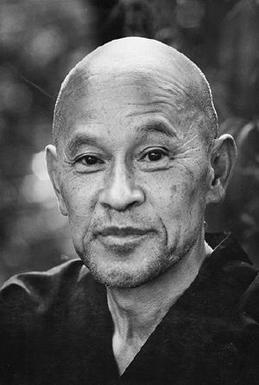
Shunryu Suzuki, often referred to as Suzuki Roshi, was born on May 18, 1904, in Kanagawa Prefecture, Japan. He was a Soto Zen monk and a revered Zen master who played a pivotal role in introducing Zen Buddhism to the United States. Suzuki Roshi’s influence in the West is profound, and his teachings continue to inspire practitioners and students of Zen Buddhism across the globe.
Early Life and Background
Shunryu Suzuki’s early life in Japan was deeply embedded in the traditions of Soto Zen Buddhism. His father was a Zen priest, and from a young age, Suzuki was immersed in the practices and philosophies of Zen. This early exposure set the stage for his lifelong dedication to Zen Buddhism.
After completing his education and receiving ordination as a monk, Suzuki Roshi served in various temples across Japan. His early years were marked by rigorous training and a commitment to the principles of Zen, which would later shape his teachings in the United States.
Journey to America and Establishment of Zen Centers
In 1959, Suzuki Roshi made the monumental decision to travel to the United States. At that time, Zen Buddhism was relatively unknown in the West, and Suzuki saw an opportunity to share its teachings with a new audience. He arrived in San Francisco, where he initially served a small Japanese-American congregation at the Sokoji Temple.
However, it wasn’t long before Suzuki Roshi’s teachings began to attract a broader audience. The simplicity, clarity, and profound depth of his approach resonated with many Americans who were seeking spiritual guidance during a time of cultural and social upheaval. This period, marked by the counterculture movement of the 1960s, was fertile ground for Suzuki’s teachings.
In 1962, Suzuki Roshi founded the San Francisco Zen Center (SFZC), which would become one of the most influential Zen organizations in the United States. The SFZC provided a structured environment for the study and practice of Zen, attracting students from all walks of life. Suzuki’s emphasis on sitting meditation (zazen) and his accessible teaching style made Zen practice more approachable for Western students.
Founding of Tassajara Zen Mountain Center
One of Suzuki Roshi’s most significant contributions to Zen Buddhism in the West was the establishment of the Tassajara Zen Mountain Center in 1967. Located in the remote mountains of California, Tassajara was the first Buddhist monastery outside Asia. It provided a dedicated space for deep practice and became a vital center for Zen training in the West.
Suzuki Roshi’s vision for Tassajara was rooted in the traditional monastic practices of Japan, but he also adapted these practices to suit the cultural context of the United States. The monastery offered an intensive training environment where students could fully immerse themselves in Zen practice, often for extended periods. This combination of traditional Zen forms with a flexible, open approach to teaching was one of Suzuki’s hallmarks.
Literary Contributions and Legacy
In addition to his direct teachings, Shunryu Suzuki is perhaps best known for his book “Zen Mind, Beginner’s Mind.” Published in 1970, this book has become a seminal text in Zen literature and is widely regarded as one of the most important books on Zen practice in the West. The book distills Suzuki’s teachings into a series of short, accessible chapters, each offering profound insights into the nature of Zen practice.
“Zen Mind, Beginner’s Mind” emphasizes the importance of approaching life with a beginner’s mind—a mind that is open, curious, and free from preconceptions. This concept has resonated with countless readers and has influenced not only Zen practitioners but also those interested in mindfulness, meditation, and spiritual practice more broadly.
Suzuki Roshi’s influence extends far beyond his written works. His students have gone on to establish their own Zen centers and continue to teach the principles he imparted. The SFZC, along with its affiliated temples, remains a thriving community, and Tassajara continues to be a center for intensive Zen training.
Historical Context and the Spread of Zen in the West
The spread of Zen Buddhism to the West in the mid-20th century can be seen as part of a broader movement of Eastern spiritual traditions gaining popularity in the West. During the 1950s and 60s, there was a growing interest in alternative spiritual practices, partly in response to the perceived materialism and rigidity of Western religious institutions.
Suzuki Roshi’s arrival in the United States coincided with this burgeoning interest in Eastern philosophies. His approach to Zen was particularly appealing to those who were disillusioned with traditional religious structures and were seeking a more direct, experiential form of spirituality. Suzuki’s teachings offered a way to connect with the profound insights of Zen without requiring adherence to dogma or rigid practices.
The historical significance of Suzuki’s work lies in his ability to translate the essence of Zen for a Western audience. While maintaining the integrity of traditional Zen practices, he was able to present them in a way that was accessible and relevant to the lives of his American students. This ability to bridge cultures and convey the universal aspects of Zen was a key factor in the success of his teachings in the West.
Final Years and Legacy
Shunryu Suzuki continued to teach until his death on December 4, 1971, in San Francisco, California. His passing was a significant loss to the Zen community, but his teachings have endured. Suzuki Roshi’s legacy is preserved not only through his writings but also through the continued work of his students and the institutions he founded.
The impact of Suzuki Roshi’s work can be seen in the continued growth of Zen Buddhism in the West. Today, there are numerous Zen centers across the United States, many of which trace their roots back to Suzuki’s teachings. The San Francisco Zen Center remains a central hub for Zen practice, and Tassajara continues to be a place of deep training and retreat for practitioners from around the world.
In 1999, David Chadwick, one of Suzuki’s students, published a biography of his teacher titled “Crooked Cucumber: The Life and Zen Teaching of Shunryu Suzuki.” This biography provides a detailed account of Suzuki Roshi’s life and teachings, offering readers further insight into the man who played such a crucial role in bringing Zen to the West.
Suzuki Roshi’s Enduring Influence
The enduring influence of Shunryu Suzuki can be attributed to his unique ability to communicate the essence of Zen in a way that transcended cultural boundaries. His teachings continue to resonate with new generations of students, and his emphasis on the importance of maintaining a beginner’s mind is as relevant today as it was during his lifetime.
Suzuki Roshi’s work helped lay the foundation for the acceptance and integration of Zen Buddhism into Western culture. His approach to teaching Zen, characterized by simplicity, depth, and accessibility, has ensured that his legacy will continue to inspire and guide practitioners for years to come.
In conclusion, Shunryu Suzuki was a pivotal figure in the transmission of Zen Buddhism to the West. His life and work have left an indelible mark on the landscape of American Buddhism, and his teachings continue to be a source of inspiration and guidance for those seeking to explore the profound depths of Zen practice.


