
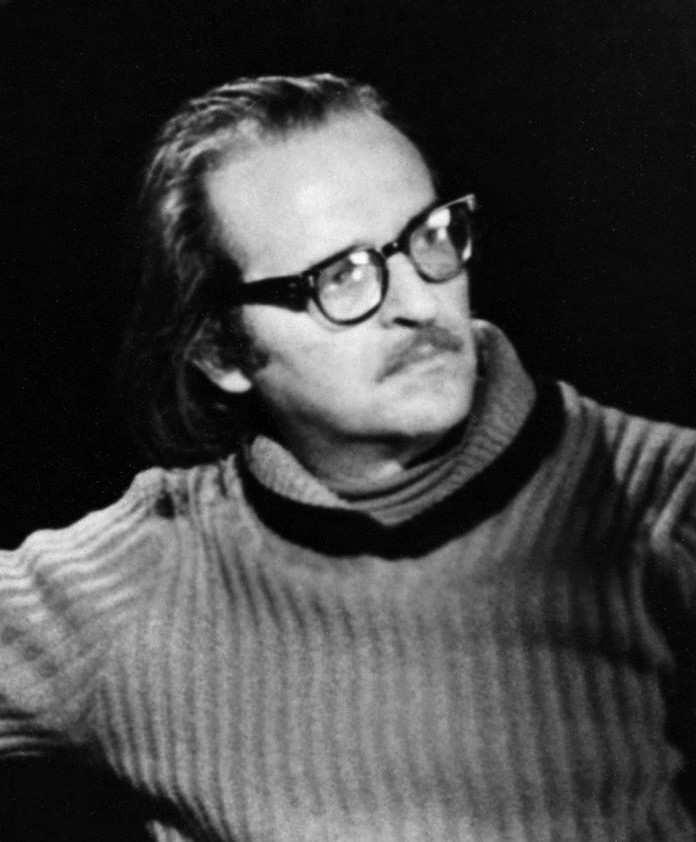
Sidney Lumet, born on June 25, 1924, in Philadelphia, Pennsylvania, was a prolific American film director, producer, and screenwriter. Over the course of his career, Lumet directed more than 50 films, many of which are considered classics in the history of cinema. Known for his intense character-driven narratives, Lumet’s work often explored themes of justice, corruption, and moral ambiguity. His contributions to the film industry have left an indelible mark, earning him a reputation as one of the most significant filmmakers of his time.
Early Life and Introduction to the Arts
Sidney Lumet was born into a creative family, with his father, Baruch Lumet, being a well-known actor in the Yiddish theater, and his mother, Eugenia Wermus, a dancer. Growing up in a household immersed in the arts, Lumet was exposed to the world of performance from a very young age. This early exposure would profoundly influence his future career.
Lumet’s first foray into the world of entertainment came at the tender age of four when he appeared on stage at the Yiddish Art Theatre in New York, where his family had moved. This early experience on stage sparked a lifelong passion for storytelling and performance. As a teenager, Lumet attended the Professional Children’s School in New York City, where he honed his skills in acting and became familiar with the technical aspects of theater production.
Transition to Television and Early Directorial Work
After serving in the U.S. Army during World War II, Lumet returned to New York and began working as an actor and director in the burgeoning world of television. He started his directorial career in the early 1950s, working on live television dramas for the CBS network. This period was a formative time for Lumet, as it allowed him to develop a distinctive style characterized by a focus on intense character studies and social realism.
Lumet’s work in television helped him refine his craft, particularly his ability to work quickly and efficiently. The fast-paced environment of live TV required him to make quick decisions and adapt on the fly, skills that would serve him well throughout his film career. During this time, he directed episodes of several popular TV series, including “Danger” and “You Are There.” His work in television earned him a reputation as a talented and reliable director, paving the way for his transition to feature films.
Breakthrough with 12 Angry Men
Sidney Lumet made his feature film directorial debut in 1957 with 12 Angry Men, a courtroom drama that would become one of the most celebrated films in cinema history. The film, which stars Henry Fonda as a juror determined to prevent a miscarriage of justice, is a masterclass in tension and character development. 12 Angry Men was a critical success, earning Lumet an Academy Award nomination for Best Director and winning the Golden Bear at the Berlin International Film Festival.
The film’s success established Lumet as a major force in Hollywood and set the tone for his future work. 12 Angry Men is emblematic of Lumet’s commitment to exploring complex moral and ethical dilemmas, a theme that would recur throughout his career. The film’s focus on the dynamics of power, prejudice, and the pursuit of justice would become hallmarks of Lumet’s storytelling approach.
The 1960s: Expanding Horizons
Following the success of 12 Angry Men, Lumet continued to build his reputation with a series of films that showcased his versatility as a director. In 1959, he directed The Fugitive Kind, an adaptation of Tennessee Williams’ play Orpheus Descending, starring Marlon Brando and Anna Magnani. The film, though not as successful as his debut, demonstrated Lumet’s ability to bring out powerful performances from his actors.
In the 1960s, Lumet began to experiment with different genres and styles, further establishing his credentials as a director capable of handling a wide range of material. He directed the cold war thriller Fail Safe (1964), a tense and realistic portrayal of a nuclear crisis, which was notable for its stark contrast to the satirical Dr. Strangelove, released the same year. Fail Safe highlighted Lumet’s skill in creating suspense and his ability to address contemporary issues with a sense of urgency.
During this period, Lumet also directed The Pawnbroker (1964), a film that tackled the emotional and psychological trauma of a Holocaust survivor. The film starred Rod Steiger in a career-defining role and was one of the first American films to openly address the Holocaust, further solidifying Lumet’s reputation as a director unafraid to tackle difficult and controversial subjects.
The 1970s: A Decade of Iconic Films
The 1970s were a particularly fruitful decade for Sidney Lumet, during which he directed some of the most iconic films of his career. In 1973, he directed Serpico, starring Al Pacino as a whistleblower in the New York Police Department. The film was both a critical and commercial success and is often credited with helping to establish the gritty, realistic style that would come to define 1970s cinema.
Following Serpico, Lumet directed Murder on the Orient Express (1974), a star-studded adaptation of Agatha Christie’s famous mystery novel. The film featured an ensemble cast that included Albert Finney, Lauren Bacall, Ingrid Bergman, and Sean Connery, and was a major box office success. Lumet’s ability to handle such a large cast and deliver a tightly paced, engaging film demonstrated his mastery of the craft.
In 1975, Lumet reunited with Al Pacino for Dog Day Afternoon, a film based on the true story of a bank robbery gone wrong. The film was another critical and commercial hit, earning multiple Academy Award nominations and further establishing Lumet’s reputation as a director capable of bringing out the best in his actors. Dog Day Afternoon is particularly noted for its exploration of themes such as identity, media sensationalism, and the American dream.
One of Lumet’s most significant achievements came in 1976 with the release of Network. The film, a scathing satire of the television industry, starred Peter Finch, Faye Dunaway, and William Holden. Network was a critical sensation, winning four Academy Awards, including Best Actor for Finch and Best Actress for Dunaway. The film’s famous line, “I’m as mad as hell, and I’m not going to take this anymore!” became a cultural touchstone and remains one of the most quoted lines in cinema history.
Later Career: Continued Excellence and Recognition
As Lumet moved into the 1980s, he continued to produce high-quality films that tackled a variety of themes and genres. In 1982, he directed The Verdict, starring Paul Newman as a down-and-out lawyer seeking redemption through a medical malpractice case. The film was another critical success, earning multiple Academy Award nominations, including Best Director for Lumet and Best Actor for Newman.
Throughout the 1980s and 1990s, Lumet’s output remained prolific, though not all of his films achieved the same level of acclaim as his earlier work. Films like Running on Empty (1988) and Q & A (1990) were well-received but did not reach the heights of his 1970s masterpieces. Nevertheless, Lumet’s commitment to exploring complex social issues and his ability to elicit powerful performances from his actors remained undiminished.
In 2004, Lumet was honored with an Academy Award for Lifetime Achievement, recognizing his contributions to the film industry over a career that spanned more than five decades. The award was a fitting tribute to a director whose work had consistently pushed the boundaries of cinema and addressed the moral and ethical challenges of the times.
Final Film and Legacy
Sidney Lumet’s final film, Before the Devil Knows You’re Dead (2007), was a return to form and a reminder of his exceptional talents as a storyteller. The film, starring Philip Seymour Hoffman, Ethan Hawke, and Marisa Tomei, is a dark and tragic tale of a family torn apart by crime and betrayal. The film received widespread critical acclaim and was praised for its tight narrative, complex characters, and Lumet’s assured direction.
Lumet’s career, which spanned more than 50 years, left an indelible mark on the world of cinema. His films, many of which remain relevant today, are characterized by their moral complexity, their focus on character, and their willingness to engage with difficult social and political issues. Lumet’s ability to work across a wide range of genres, from courtroom dramas to crime thrillers to satires, speaks to his versatility and his deep understanding of the human condition.
Sidney Lumet passed away on April 9, 2011, at the age of 86, leaving behind a legacy that continues to inspire filmmakers and audiences alike. His work is a testament to the power of cinema to not only entertain but also to challenge and provoke thought. Lumet’s films remain essential viewing for anyone interested in the art of filmmaking and the complexities of the human experience.
Conclusion
Sidney Lumet was more than just a filmmaker; he was a storyteller who used the medium of film to explore the deepest corners of the human soul. His commitment to social justice, his ability to craft compelling narratives, and his skill in directing actors made him one of the most respected and influential directors of his time. Lumet’s films continue to resonate with audiences today, reminding us of the enduring power of cinema to reflect and shape our understanding of the world.


