
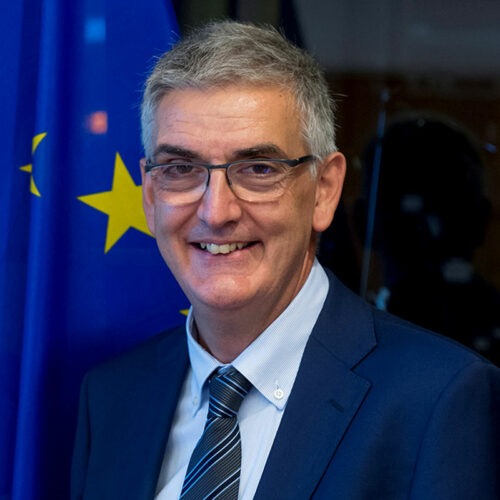
Silvio Brusaferro, born on April 8, 1960, in Udine, Italy, is a prominent figure in the field of public health and medicine. His career has spanned several decades, during which he has held influential roles in medical institutions and public health organizations both in Italy and internationally. Brusaferro’s name became particularly well-known during the COVID-19 pandemic, where he played a crucial role in Italy’s response to the crisis. This article explores his life, career, and the significant moments that have shaped his journey, offering detailed insights into who Silvio Brusaferro is, his rise to fame, and his contributions to public health.
Early Life and Educational Background
Silvio Brusaferro was born into a family that valued education and intellectual curiosity. From a young age, he exhibited a strong interest in science, which naturally led him to pursue a career in medicine. After completing his early education in Udine, Brusaferro enrolled in the University of Udine’s Faculty of Medicine, where he earned his degree in Medicine and Surgery. His academic journey did not end there; he further specialized in Hygiene and Public Health, fields that would later define his professional career.
Brusaferro’s academic achievements laid a solid foundation for his future endeavors in public health. His early focus on Hygiene and Public Health was indicative of his desire to contribute to the broader societal good, beyond individual patient care. This focus would eventually propel him into roles that required not only medical expertise but also leadership and strategic thinking in the realm of public health.
Early Professional Career and Leadership Roles
Brusaferro’s professional career began in earnest in the early 1990s when he took on the role of Medical Director at the Gemona del Friuli Hospital. His tenure at this hospital, from 1990 to 1993, was marked by his dedication to improving healthcare delivery and patient outcomes. This role was the first of many leadership positions that Brusaferro would hold throughout his career, each building on the last and expanding his influence in the healthcare sector.
In 2002, Brusaferro returned to a leadership role, this time as the Director of the University Hospital of Udine. His work here was significant, but the hospital’s eventual merger with the Santa Maria della Misericordia Hospital in 2006 marked a new chapter in his career. This merger resulted in the creation of a more complex healthcare organization, the Azienda Ospedaliero-Universitaria of Udine, where Brusaferro was appointed as the Director of the complex operational unit for clinical risk assessment and healthcare performance management.
This role was critical, as it involved not only overseeing the safety and quality of care provided to patients but also ensuring that the healthcare organization operated efficiently and effectively. Brusaferro’s work in this area demonstrated his ability to manage large-scale healthcare operations and his commitment to improving healthcare systems from within.
National and European Recognition: Expanding Influence
Brusaferro’s contributions to public health did not go unnoticed. In 2006, he was appointed as a Full Professor of Hygiene and Preventive Medicine at the University of Udine, solidifying his role as an educator and thought leader in the field. His academic work, combined with his practical experience, made him a key figure in shaping public health policies and practices in Italy.
Beyond his national influence, Brusaferro also made significant contributions on the European stage. He co-founded Eunetips, a European network focused on the prevention of infections in healthcare settings. This network played a vital role in promoting patient safety and infection control across Europe, reflecting Brusaferro’s commitment to improving healthcare on a broader scale. His work with Eunetips also involved collaboration with the World Health Organization (WHO), where he became a member of the global control unit for infection prevention.
From 2010 to 2013, Brusaferro served as a member of the Superior Health Council in Italy, where he contributed to public health policy development and implementation. His work at both the national and international levels underscored his expertise in public health and his ability to influence healthcare practices and policies beyond the borders of Italy.
The COVID-19 Pandemic: A Defining Moment
Silvio Brusaferro’s career reached a pivotal point in 2019 when he was appointed as the Extraordinary Commissioner of the Istituto Superiore di Sanità (ISS), Italy’s National Institute of Health, following the resignation of the previous president, Walter Ricciardi. Just six months later, Brusaferro was appointed as the President of the ISS, a role that placed him at the forefront of Italy’s public health response.
The timing of his appointment coincided with the onset of the COVID-19 pandemic, a global crisis that would test the resilience of healthcare systems around the world. In Italy, one of the hardest-hit countries during the early stages of the pandemic, Brusaferro’s leadership was critical. As President of the ISS and a key member of Italy’s Technical Scientific Committee, Brusaferro became a central figure in managing the country’s response to the pandemic.
Brusaferro’s role involved coordinating with various governmental agencies, healthcare providers, and international organizations to develop and implement strategies to contain the spread of the virus. He was also responsible for communicating with the public, providing updates on the status of the pandemic, and explaining the rationale behind the measures being implemented. This was no easy task, as it required balancing transparency with the need to avoid causing unnecessary panic.
Throughout the pandemic, Brusaferro was a consistent presence in the media, often appearing alongside Angelo Borrelli, the head of Italy’s Civil Protection Department, to provide daily updates on the number of COVID-19 cases, hospitalizations, and deaths. His calm and measured approach, combined with his deep knowledge of public health, helped to reassure the public during a time of great uncertainty.
One of the challenges Brusaferro faced was communicating the evolving nature of the pandemic and the science behind the public health measures being recommended. This included explaining why certain restrictions were necessary, such as lockdowns, social distancing, and mask mandates, as well as managing public expectations regarding the duration of the pandemic and the development of vaccines.
Despite the enormous pressure, Brusaferro remained steadfast in his commitment to evidence-based decision-making. His ability to navigate the complexities of the pandemic response, while maintaining clear and consistent communication with both the public and policymakers, was a testament to his leadership and expertise in public health.
Personal Life and Academic Contributions
While Silvio Brusaferro is best known for his public health work, particularly during the COVID-19 pandemic, there is much more to his life and career. On a personal level, Brusaferro is known to be a private individual. He is married and has two daughters, but he has kept his family life largely out of the public eye, choosing to focus the attention on his professional responsibilities.
In addition to his leadership roles, Brusaferro has made significant contributions to the academic field. He is the author of over 170 scientific articles published in national and international journals, and he has contributed to more than 20 book chapters and other scholarly publications. His research has covered a wide range of topics, including infection prevention, healthcare management, and public health policy, reflecting the breadth and depth of his expertise.
Brusaferro’s academic work has not only advanced the field of public health but has also provided valuable insights that have informed his practical work in healthcare management and policy. His ability to bridge the gap between academia and practice has made him a respected figure in both the academic and healthcare communities.
Legacy and Influence
Silvio Brusaferro’s career is a testament to the impact that a dedicated public health professional can have on society. His work, particularly during the COVID-19 pandemic, has highlighted the importance of strong leadership, clear communication, and evidence-based decision-making in managing public health crises.
As President of the Istituto Superiore di Sanità, Brusaferro has played a crucial role in shaping Italy’s public health policies and responses, not only during the pandemic but also in the years leading up to it. His contributions to infection prevention, healthcare management, and public health education have had a lasting impact on the healthcare system in Italy and beyond.
Looking forward, Brusaferro’s legacy will likely be defined by his ability to navigate one of the most challenging public health crises in recent history. His leadership during the COVID-19 pandemic has set a standard for how public health officials can and should respond to such crises, balancing the need for swift action with the importance of maintaining public trust and transparency.
In conclusion, Silvio Brusaferro’s life and career offer valuable lessons in leadership, resilience, and the importance of public health. His work has not only helped to guide Italy through a time of unprecedented challenge but has also contributed to the global understanding of how to manage and mitigate the impact of pandemics. As the world continues to face new public health challenges, the principles and practices that Brusaferro has championed will remain relevant and essential.


