
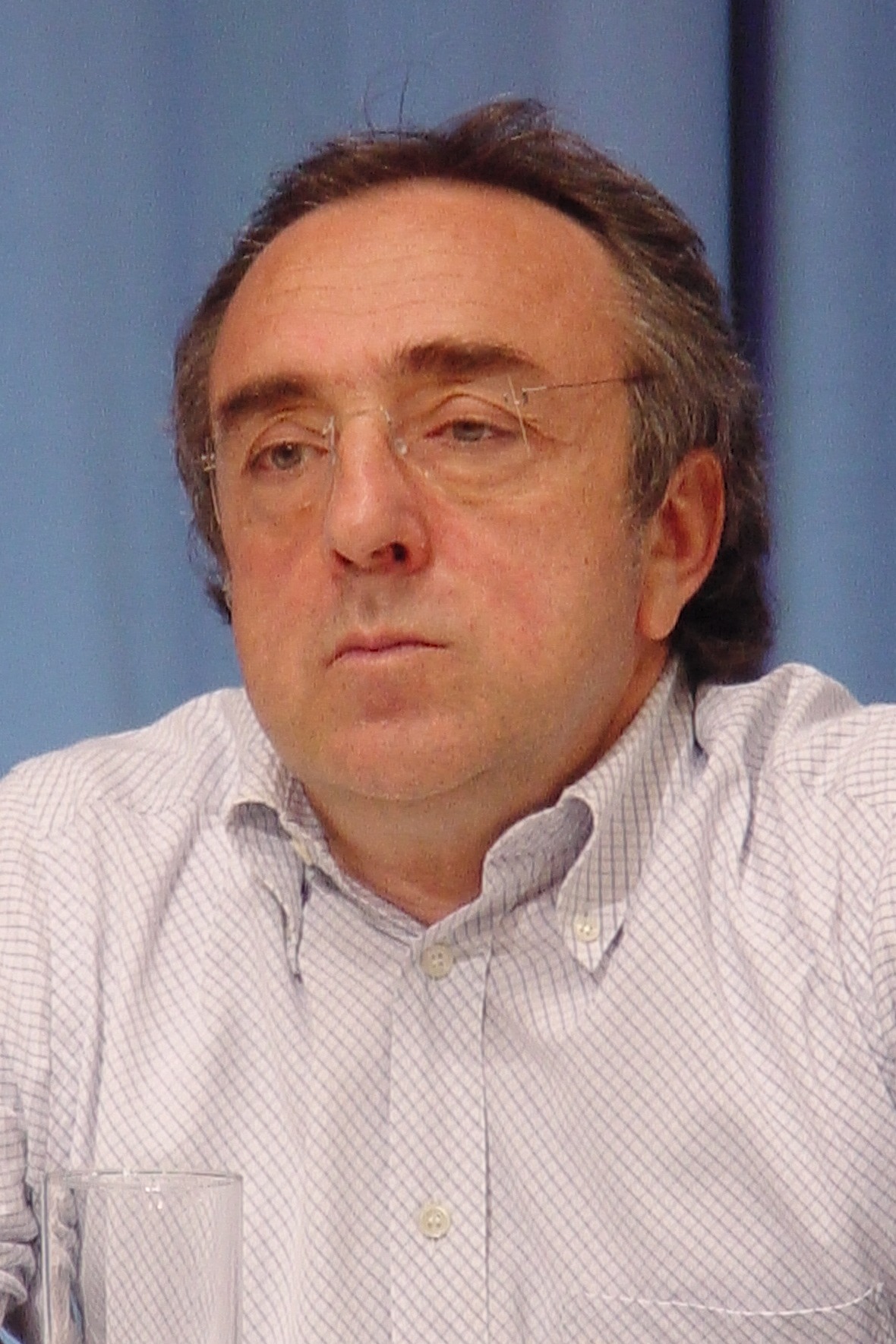
Silvio Orlando is a highly respected Italian actor known for his remarkable contributions to cinema and theater. Born on June 30, 1957, in Naples, Italy, Orlando has enjoyed a prolific career that spans over four decades. His work is characterized by versatility and a deep commitment to his craft, making him one of the most acclaimed actors in the Italian film industry. This article explores the life and career of Silvio Orlando, providing detailed insights into his early years, rise to fame, and significant milestones that have shaped his journey.
Early Life and Beginnings in Theater
Silvio Orlando was born and raised in Naples, a city known for its rich cultural heritage and vibrant artistic community. Naples has produced some of Italy’s most renowned artists, and it was within this creative environment that Orlando first discovered his passion for acting. From a young age, he was drawn to the performing arts, a passion that would define his future career.
Orlando’s theatrical debut came in 1975 when he performed in the play “Nascette ‘mmiezz ‘o mare.” During this production, he played the flute as part of a musical band, showcasing his early talents not only as an actor but also as a musician. This initial foray into the world of theater set the stage for what would become a lifelong dedication to acting.
Following his debut, Orlando fully immersed himself in the world of theater, honing his craft on the stage. The years spent in theater were crucial in shaping his acting style, which is characterized by a blend of humor, pathos, and an acute understanding of human nature. These qualities would later become hallmarks of his performances on screen.
Breakthrough in Cinema: The Late 1980s and Early 1990s
Silvio Orlando’s transition from theater to film came in 1987 when he made his cinematic debut in “Kamikazen – Ultima notte a Milano,” directed by Gabriele Salvatores. This marked the beginning of a long and fruitful collaboration with some of Italy’s most prominent directors. His performance in this film, though modest, caught the attention of the industry, setting him on a path to stardom.
Two years later, in 1989, Orlando worked with the iconic director Nanni Moretti in the film “Palombella Rossa.” This collaboration with Moretti was significant, as it would lead to several future projects that would further establish Orlando as a leading figure in Italian cinema. In 1990, he appeared in “Matilda,” directed by Antonietta De Lillo and Giorgio Magliulo, a film that solidified his growing reputation as a versatile actor.
Orlando’s career gained further momentum in the early 1990s when he began collaborating with director Daniele Luchetti. Over the course of three years, he starred in films such as “La settimana della Sfinge,” “Il portaborse,” and “Arriva la bufera.” These films were critical and commercial successes, and they showcased Orlando’s ability to portray a wide range of characters, from comical to dramatic.
Rising Stardom: Mid-1990s to Early 2000s
As the 1990s progressed, Silvio Orlando’s presence in Italian cinema became increasingly prominent. He worked with director Carlo Mazzacurati on films like “Il richiamo della notte” and “Un’altra vita,” further cementing his status as one of Italy’s most sought-after actors. In 1993, he reunited with Gabriele Salvatores for the film “Sud,” demonstrating his ability to tackle more serious, socially conscious roles.
The mid-1990s also saw Orlando becoming a staple in Italian comedy. In 1995, he starred in “La scuola,” directed by Daniele Luchetti, a film that explored the challenges and absurdities of the Italian educational system. His performance was widely praised, and the film remains one of the most beloved comedies in Italian cinema.
In 1996, Orlando took on a leading role in “Ferie d’agosto,” directed by Paolo Virzì. The film, a sharp social satire, featured Orlando alongside notable actors like Sabrina Ferilli and Piero Natoli. His portrayal of a middle-class intellectual navigating the complexities of Italian society was both humorous and poignant, highlighting his skill in blending comedy with deeper social commentary.
Orlando’s collaborations with top-tier directors continued throughout the late 1990s. He starred in “Nirvana” (1997), a science fiction film directed by Gabriele Salvatores, alongside Diego Abatantuono. The film was a departure from Orlando’s usual genre but showcased his ability to adapt to different cinematic styles. In 1998, he worked with Nanni Moretti again in “Aprile,” a film that further solidified their successful partnership.
The Turn of the Millennium: Acclaim and Awards
The early 2000s were a period of critical acclaim for Silvio Orlando. In 2000, he won the Nastro d’Argento (Silver Ribbon) for Best Actor for his role in “Preferisco il rumore del mare,” directed by Mimmo Calopresti. This award was a testament to his growing stature in the Italian film industry and his ability to deliver powerful performances across a variety of genres.
One of Orlando’s most notable roles came in 2001 when he starred in Nanni Moretti’s “La stanza del figlio.” The film, which won the Palme d’Or at the Cannes Film Festival, is a deeply moving drama about a family coping with the loss of a child. Orlando’s portrayal of the grieving father was widely praised, earning him accolades for his nuanced and emotionally resonant performance.
In 2002, Orlando won the David di Donatello award for Best Supporting Actor for his role in Giuseppe Piccioni’s “Luce dei miei occhi.” In this film, Orlando played a more villainous character, demonstrating his range as an actor and his ability to convincingly portray darker, more complex roles.
Orlando continued to take on challenging roles in the following years. In 2006, he starred in Nanni Moretti’s “Il Caimano,” a film that earned him a nomination at the European Film Awards. His collaboration with Moretti, which had begun in the late 1980s, continued to bear fruit, with Orlando delivering one memorable performance after another.
Later Career: Versatility and Continued Success
As the 2000s progressed, Silvio Orlando remained a prominent figure in Italian cinema, taking on a variety of roles that showcased his versatility. In 2008, he won the prestigious Coppa Volpi for Best Actor at the Venice Film Festival for his performance in “Il papà di Giovanna,” directed by Pupi Avati. This role, which also earned him the Premio Gian Maria Volontè at the Bari International Film Festival, was one of the highlights of his career, further establishing him as one of Italy’s finest actors.
Orlando’s personal life also garnered attention around this time. In 2008, he married actress Maria Laura Rondanini in Venice, with the wedding attended by notable figures, including philosopher Massimo Cacciari. The couple had been together for nearly a decade before tying the knot, and their marriage was seen as a union of two respected figures in the Italian arts.
Orlando’s later career saw him continue to excel in both comedic and dramatic roles. He starred in Fausto Brizzi’s comedy “Ex” (2009), and Giovanni Veronesi’s “Genitori & figli – Agitare bene prima dell’uso” (2010). He also took on more serious roles in films like “La passione” (2010), directed by Carlo Mazzacurati.
The 2010s and Beyond: Continuing the Legacy
In the 2010s, Silvio Orlando continued to work with some of Italy’s most esteemed directors. He appeared in “Il delitto di Via Poma” (2011), directed by Roberto Faenza, a film inspired by a real-life crime that shocked Italy. In 2013, he starred in “Un castello in Italia,” directed by Valeria Bruni Tedeschi, and “La variabile umana,” further demonstrating his ability to adapt to a wide range of genres and characters.
Orlando’s work in television also garnered attention. In 2012, he starred alongside Alessandro Gassman in the Sky TV film “Un Natale con i Fiocchi,” directed by Giambattista Avellino. His presence on television only added to his already impressive resume, showcasing his ability to excel across different mediums.
The 2020s have seen Silvio Orlando continue to deliver outstanding performances. In 2020, he starred in Daniele Luchetti’s film “Lacci,” and in 2021, he appeared in “Ariaferma,” directed by Leonardo Di Costanzo, alongside Toni Servillo. These roles reaffirmed his status as one of Italy’s most enduring and respected actors.
Conclusion: A Career of Enduring Excellence
Silvio Orlando’s career is a testament to his extraordinary talent and dedication to his craft. From his early days in theater to his rise as one of Italy’s most beloved film actors, Orlando has consistently delivered performances that resonate with audiences and critics alike. His ability to navigate both comedic and dramatic roles with equal skill has made him a versatile and enduring figure in Italian cinema.
As he continues to take on new challenges in film and television, Silvio Orlando remains a key figure in the Italian arts, with a legacy that will undoubtedly inspire future generations of actors. His contributions to cinema, both in Italy and internationally, have solidified his place as one of the greats of his generation.


