
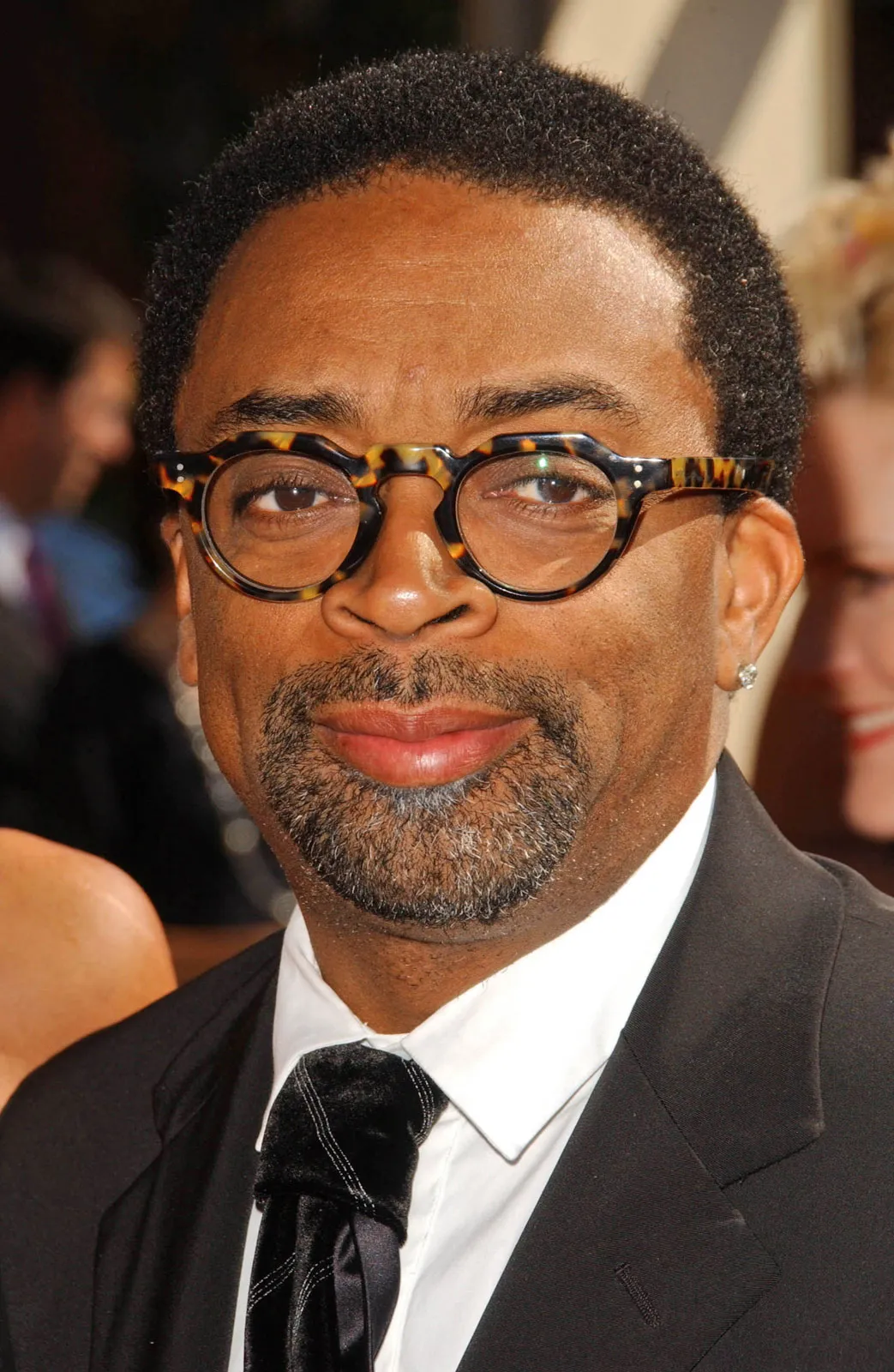
Spike Lee, born Shelton Jackson Lee on March 20, 1957, in Atlanta, Georgia, is a distinguished American filmmaker, director, producer, writer, and actor. He is widely regarded as one of the most influential and prolific filmmakers in contemporary American cinema. Lee’s work, which often addresses controversial social and political issues, has made a significant impact on both the film industry and American culture at large. This article delves into the life of Spike Lee, highlighting his age, rise to fame, and key moments in his illustrious career.
Early Life and Background
Spike Lee was born into a creative and intellectually stimulating environment. His father, Bill Lee, was a jazz musician and composer, while his mother, Jacqueline Carroll (née Shelton), was an educator. The Lee family moved to Brooklyn, New York, when Spike was a child, and it was in Brooklyn that he would develop a deep connection to the African American community, which would later influence his work as a filmmaker.
Growing up in a racially charged environment during the 1960s and 1970s, Lee witnessed firsthand the struggles of African Americans, an experience that shaped his worldview and creative voice. His early exposure to the arts through his parents, combined with his experiences in Brooklyn, laid the foundation for his career as a filmmaker who would explore the complexities of race, identity, and social justice in America.
Education and Early Career
Spike Lee attended John Dewey High School in Brooklyn before enrolling at Morehouse College, a historically Black institution in Atlanta. At Morehouse, he developed an interest in filmmaking, creating his first student film, “Last Hustle in Brooklyn.” After graduating from Morehouse in 1979, Lee pursued a Master of Fine Arts in Film & Television at New York University’s Tisch School of the Arts, where he honed his craft and developed his distinctive style.
During his time at NYU, Lee created the short film “Joe’s Bed-Stuy Barbershop: We Cut Heads,” which won the Student Academy Award for Best Director. This early success helped Lee establish himself as a promising young filmmaker, leading to the production of his first feature film, “She’s Gotta Have It” (1986).
Breakthrough: “She’s Gotta Have It” (1986)
“She’s Gotta Have It” marked Spike Lee’s debut as a feature filmmaker and was a critical and commercial success. Shot on a modest budget of $175,000, the film grossed over $7 million at the box office, making it one of the most profitable independent films of its time. The film’s innovative style, including its use of black-and-white cinematography and direct address to the camera, set it apart from mainstream Hollywood productions.
The film tells the story of Nola Darling, a young African American woman navigating relationships with three very different men. Through this narrative, Lee explored themes of gender, sexuality, and racial identity, establishing himself as a filmmaker unafraid to tackle complex and often controversial issues.
The Rise of a Cinematic Icon: “Do the Right Thing” (1989)
Spike Lee’s reputation as a filmmaker who addressed social issues head-on was solidified with the release of “Do the Right Thing” in 1989. The film, set in the Bedford-Stuyvesant neighborhood of Brooklyn, examines racial tensions and violence in an African American community during a sweltering summer day. “Do the Right Thing” was both critically acclaimed and highly controversial, sparking debates about race relations in America.
The film received two Academy Award nominations, including Best Original Screenplay for Lee and Best Supporting Actor for Danny Aiello. Despite not winning an Oscar, “Do the Right Thing” is widely regarded as one of the greatest films ever made and a cornerstone of American cinema. Its impact on the cultural conversation about race in America continues to resonate today.
Continued Success: “Malcolm X” (1992)
In 1992, Spike Lee directed one of his most ambitious and critically acclaimed films, “Malcolm X,” a biographical epic about the life of the iconic African American leader. The film, starring Denzel Washington in the title role, traces Malcolm X’s journey from a troubled youth to a prominent figure in the Civil Rights Movement.
“Malcolm X” was a monumental project for Lee, requiring extensive research and a large budget. The film was praised for its historical accuracy, powerful performances, and Lee’s direction, which captured the complexity of Malcolm X’s life and legacy. Denzel Washington’s portrayal of Malcolm X earned him an Academy Award nomination for Best Actor, further cementing Spike Lee’s status as a leading filmmaker in Hollywood.
Exploration of Diverse Themes and Genres
Throughout his career, Spike Lee has continued to explore a wide range of themes and genres, from drama to comedy, and from documentaries to music videos. Some of his notable works include “Mo’ Better Blues” (1990), a film that pays tribute to jazz music and the African American experience; “Jungle Fever” (1991), which explores interracial relationships; and “He Got Game” (1998), a sports drama starring Denzel Washington and NBA star Ray Allen.
Lee’s versatility as a filmmaker is evident in his ability to tackle different genres while maintaining a distinct voice and perspective. His films often feature strong visual styles, dynamic camera work, and powerful soundtracks, many of which include original scores by his father, Bill Lee, and collaborations with other prominent musicians.
Documentaries and Social Commentary
In addition to his narrative films, Spike Lee has made significant contributions to the documentary genre, using the medium to comment on social and political issues. His documentaries, such as “4 Little Girls” (1997), which examines the 1963 Birmingham church bombing, and “When the Levees Broke: A Requiem in Four Acts” (2006), which chronicles the aftermath of Hurricane Katrina, showcase his commitment to telling stories that reflect the struggles and triumphs of African Americans.
These documentaries have been critically acclaimed for their depth, sensitivity, and ability to shed light on important but often overlooked aspects of American history. Lee’s documentary work demonstrates his dedication to using film as a tool for education and advocacy.
Recent Work and Recognition
Spike Lee’s influence on the film industry has only grown over the years, with recent projects continuing to garner critical acclaim and awards recognition. In 2018, Lee directed “BlacKkKlansman,” a film based on the true story of an African American detective who infiltrated the Ku Klux Klan in the 1970s. The film was a commercial success and received six Academy Award nominations, including Best Picture, Best Director, and Best Adapted Screenplay, which Lee won.
“BlacKkKlansman” marked a significant moment in Lee’s career, as it was his first Oscar win after decades of being overlooked by the Academy. The film’s success reaffirmed Lee’s relevance and impact in the industry, proving that his voice remains as powerful and necessary as ever.
In 2020, Spike Lee released “Da 5 Bloods,” a Netflix film that tells the story of four African American veterans returning to Vietnam to find the remains of their fallen squad leader and the gold they buried during the war. The film was praised for its exploration of themes such as the effects of war, the African American experience, and the ongoing fight for civil rights.
Legacy and Influence
Spike Lee’s contributions to the film industry extend beyond his own work as a director. He has mentored and inspired countless filmmakers, particularly those from underrepresented communities, and has been a vocal advocate for diversity and inclusion in Hollywood. His production company, 40 Acres and a Mule Filmworks, has produced many of his films and has provided opportunities for emerging talent in the industry.
Lee’s impact on popular culture is undeniable. His films have sparked conversations about race, identity, and social justice that continue to resonate with audiences around the world. Through his work, Lee has challenged stereotypes, broken barriers, and given a voice to those who have been historically marginalized.
Conclusion: A Cinematic Trailblazer
Spike Lee’s career is a testament to the power of film as a medium for social change. From his early days as a student filmmaker to his status as a cinematic icon, Lee has consistently used his platform to address important issues and to tell stories that matter. His work has not only entertained audiences but has also educated and inspired them, making him one of the most important filmmakers of his generation.
As Spike Lee continues to create and innovate, his legacy as a trailblazer in American cinema remains firmly established. His films, rich with cultural significance and artistic innovation, will undoubtedly continue to influence and inspire future generations of filmmakers and audiences alike.


