
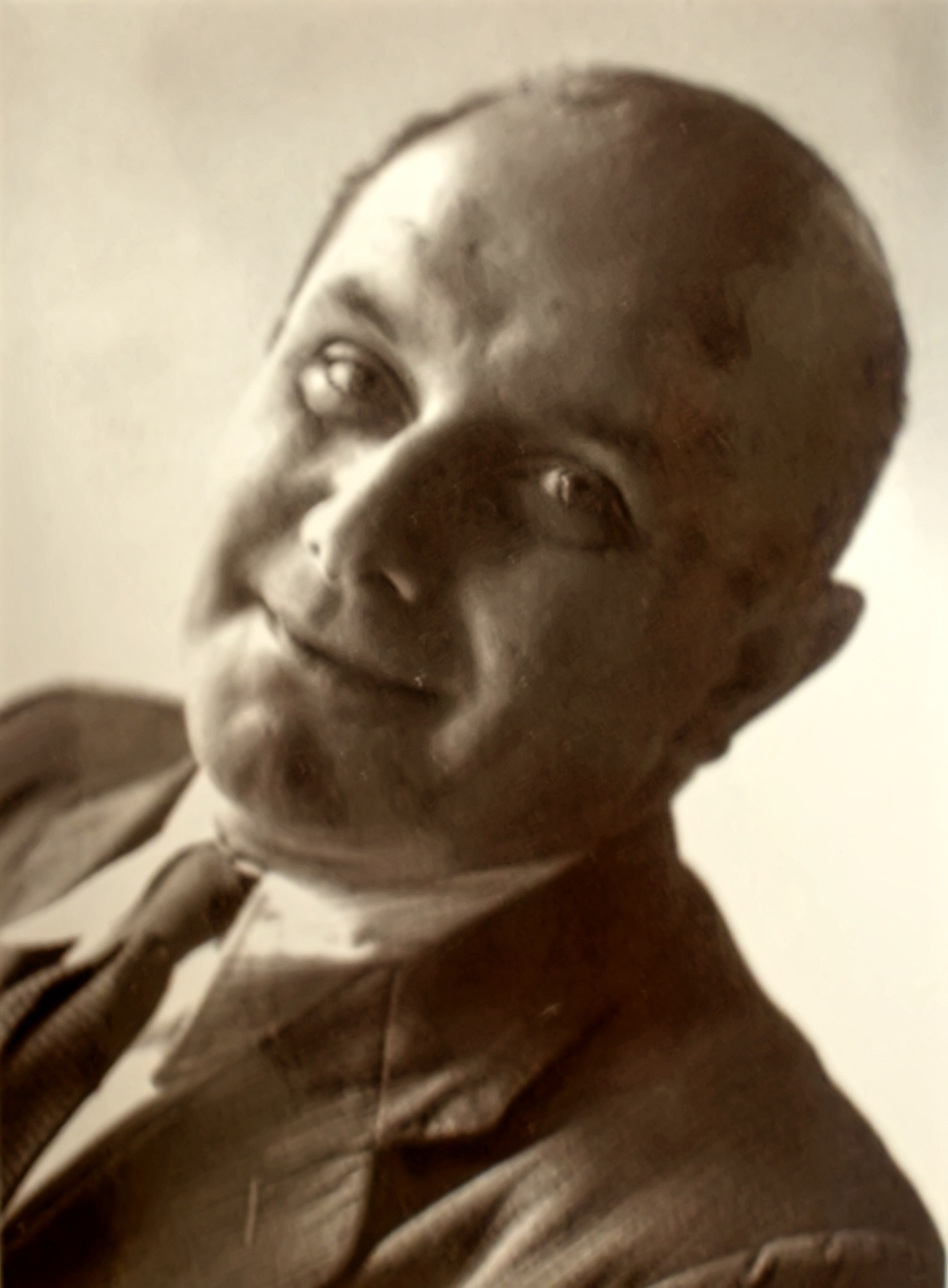
Stanisław Jerzy Lec, born on March 6, 1909, in Lviv (then part of the Austro-Hungarian Empire, now in Ukraine), is one of the most remarkable figures in 20th-century literature. His life, filled with tumultuous events, deeply influenced his writing, allowing him to emerge as a notable poet, writer, and aphorist. His works are known for their biting irony, sharp wit, and profound philosophical insights, making him a revered figure in literary circles worldwide.
Early Life and Influences
Lec was born into a Polish-Jewish family, and his upbringing in Lviv, a cultural melting pot, exposed him to various intellectual currents from an early age. This multicultural environment, coupled with the socio-political upheavals of the time, profoundly shaped his worldview. Lviv, with its rich history and cultural diversity, was a city where Eastern European traditions met Western European influences, creating a unique intellectual atmosphere that would leave an indelible mark on Lec’s writing.
As a young man, Lec was drawn to literature and philosophy, finding inspiration in the works of Friedrich Nietzsche, Franz Kafka, and other existentialist thinkers. This early exposure to existentialism and the absurd would later become evident in his own writings, particularly in his aphorisms, which often grapple with the absurdities of life and the human condition.
The Impact of World War II
The outbreak of World War II was a pivotal moment in Lec’s life. As the war engulfed Europe, Lec, like many intellectuals of his time, found himself caught in the crossfire. In 1941, he was captured by the Nazis and imprisoned in a concentration camp in Germany. This period of his life was marked by unimaginable horrors, but it was also a time of profound reflection.
Lec’s experience in the concentration camp had a lasting impact on his work. It was here that he witnessed the depths of human cruelty, but also the resilience of the human spirit. His escape from the camp in July 1943, disguised in a German uniform, is a testament to his resourcefulness and will to survive. This harrowing experience would later inform much of his writing, particularly his famous collection of aphorisms, “Unkempt Thoughts” (originally published in 1957).
Literary Career and Fame
After the war, Lec returned to Poland, where he resumed his literary career. He initially worked as a journalist, but it was his aphorisms that brought him widespread acclaim. “Unkempt Thoughts” and its sequel, “More Unkempt Thoughts,” published in 1959, established Lec as a master of the aphorism. These collections are filled with pithy, often sardonic observations about life, politics, and human nature.
Lec’s aphorisms are characterized by their brevity and wit, often delivering profound insights in just a few words. They are not limited to any specific political system but rather critique authoritarianism in all its forms. Lec’s writing is a powerful indictment of totalitarian regimes, reflecting his deep skepticism of any form of absolute power.
His aphorisms also reveal a deep moral concern, but Lec was careful to avoid moralizing. Instead, he used irony and satire to expose the absurdities of life and the often contradictory nature of human behavior. This approach resonated with readers worldwide, earning him a place among the great aphorists of the 20th century.
Diplomatic Service and Later Years
In addition to his literary career, Lec also served in the diplomatic corps. For a brief period after the war, he worked as a cultural attaché at the Polish embassy in Vienna. This experience further broadened his horizons, allowing him to engage with intellectuals and writers from across Europe. Lec also spent two years in Israel, a period that provided him with new perspectives on the challenges facing the Jewish diaspora and the complexities of identity in the post-war world.
Lec’s later years were marked by a return to Poland, where he continued to write and publish. Despite the recognition he received, he remained a somewhat elusive figure, preferring to let his work speak for itself. His health began to decline in the early 1960s, but he continued to write until his death on May 7, 1966, in Warsaw.
Legacy and Historical Context
Stanisław Jerzy Lec’s legacy is one of intellectual bravery and moral clarity. He lived through some of the most turbulent times in modern history, and his work reflects the existential anxieties of the 20th century. Lec’s writing is deeply rooted in the historical context of his time, but it also transcends it, offering timeless reflections on the human condition.
Lec’s aphorisms have been compared to those of other great thinkers, such as Nietzsche and Kafka, but they are also uniquely his own. His ability to distill complex ideas into concise, often humorous statements has made his work accessible to a broad audience. Lec’s aphorisms continue to be quoted and studied, not only for their literary merit but also for their profound philosophical insights.
Lec’s life and work are also a testament to the power of resilience and the human capacity to find meaning in even the most challenging circumstances. His experience in the concentration camp, his escape, and his subsequent literary success are all part of a larger narrative about survival, resistance, and the search for truth.
Stanisław Jerzy Lec’s Influence on Modern Thought
Lec’s influence extends beyond literature and philosophy. His aphorisms have been cited in various fields, including political science, psychology, and cultural studies. His critique of authoritarianism, in particular, has resonated with scholars and activists who see in his work a powerful defense of individual freedom and human dignity.
In recent years, there has been a renewed interest in Lec’s work, particularly in the context of contemporary political debates. As societies around the world grapple with issues of authoritarianism, populism, and the erosion of democratic norms, Lec’s aphorisms offer a poignant reminder of the dangers of unchecked power.
Moreover, Lec’s work has also been embraced by those who champion free speech and intellectual freedom. His sharp critiques of censorship and propaganda are as relevant today as they were during the Cold War, making his work an important resource for those who seek to understand and resist the forces of oppression.
Conclusion: The Enduring Relevance of Stanisław Jerzy Lec
Stanisław Jerzy Lec’s life and work are a testament to the enduring power of words. His aphorisms, with their wit, irony, and deep philosophical insight, continue to resonate with readers around the world. Lec’s ability to capture the complexities of the human experience in just a few words is a rare gift, and it is this gift that has secured his place in the pantheon of great writers.
Lec’s work is not just a product of its time; it is a timeless reflection on the human condition. As we continue to navigate the challenges of the modern world, Lec’s aphorisms offer valuable insights into the nature of power, freedom, and the human spirit. His work reminds us that even in the darkest of times, there is room for humor, for reflection, and for the pursuit of truth.
In a world that is increasingly complex and uncertain, the wisdom of Stanisław Jerzy Lec remains a beacon of clarity and hope. His life and work are a reminder that, no matter the circumstances, the power of the human spirit can never be extinguished.


