
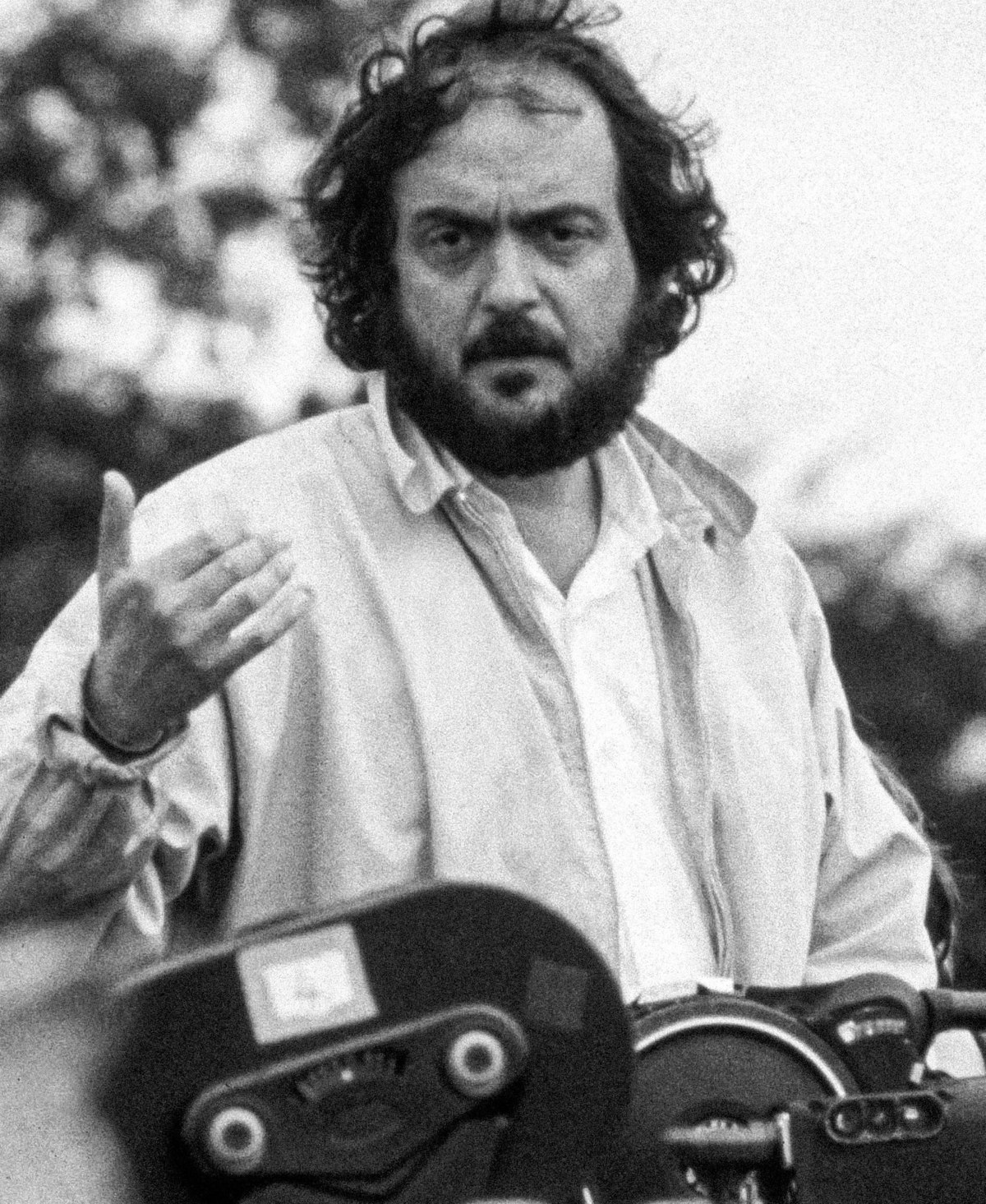
Stanley Kubrick is a name that resonates with cinematic excellence. His contributions to the world of film have left an indelible mark, establishing him as one of the most influential directors in the history of cinema. Born on July 26, 1928, in the Bronx, New York, Kubrick’s journey to fame and his life’s highlights are a testament to his extraordinary talent, relentless pursuit of perfection, and unique vision that has inspired countless filmmakers.
Early Life and Influences
Stanley Kubrick was born into a Jewish family of Austrian descent. His early years were marked by an upbringing in the Bronx, a working-class neighborhood in New York City. The son of a physician, Kubrick was exposed to the arts and culture from an early age, though his initial interests leaned more towards photography than film. At the age of 13, his father gave him a camera, sparking a lifelong passion for visual storytelling. Kubrick’s early work as a photographer for Look magazine during his teenage years laid the foundation for his meticulous attention to detail, a trait that would become a hallmark of his filmmaking career.
His early experiences with photography helped him develop a keen eye for composition and an understanding of how to convey complex narratives through imagery. This period also introduced him to the world of journalism, where he honed his ability to tell stories that captured the essence of human experience—a skill that would later be evident in his films.
The Birth of a Filmmaker
Kubrick’s transition from photography to filmmaking was a natural progression. In 1948, he created his first short documentary, Day of the Fight, which followed a day in the life of a boxer named Walter Cartier. This short film showcased Kubrick’s emerging style, characterized by its focus on visual storytelling and the human condition. He followed this with another documentary, Flying Padre (1951), and his first feature-length film, Fear and Desire (1953), a war drama that, although critically panned, demonstrated his potential as a filmmaker.
Kubrick’s early films, including The Killing (1956) and Paths of Glory (1957), began to attract attention in Hollywood. The Killing was particularly notable for its innovative narrative structure and meticulous direction, marking Kubrick as a director to watch. However, it was Paths of Glory, a powerful anti-war film starring Kirk Douglas, that truly established his reputation as a serious filmmaker. The film’s stark depiction of the futility and horror of war, combined with its stunning visual composition, showcased Kubrick’s ability to merge aesthetic beauty with profound thematic content.
Rise to Fame
Kubrick’s rise to fame was solidified with his work on Spartacus (1960), a historical epic starring Kirk Douglas. Despite not having full creative control over the project, Kubrick managed to infuse the film with his distinctive style. Spartacus won four Academy Awards and became a massive box office success, providing Kubrick with the financial independence he needed to pursue his unique vision in future projects.
Following Spartacus, Kubrick moved to England, where he would live and work for the rest of his life. This move marked a significant shift in his career, allowing him greater creative freedom away from the constraints of Hollywood. His next film, Lolita (1962), based on the controversial novel by Vladimir Nabokov, further cemented his reputation as a bold and innovative director. Lolita was provocative and challenged societal norms, reflecting Kubrick’s willingness to explore taboo subjects and push the boundaries of conventional filmmaking.
The 1960s also saw Kubrick create what is arguably his most iconic film, 2001: A Space Odyssey (1968). This groundbreaking science fiction epic redefined the genre and is considered one of the greatest films ever made. 2001 was revolutionary in its use of special effects, narrative structure, and philosophical depth. Kubrick’s meticulous attention to detail and innovative use of music and visuals created an immersive experience that transcended the traditional boundaries of cinema. The film’s exploration of themes such as artificial intelligence, extraterrestrial life, and human evolution had a profound impact on both audiences and filmmakers alike.
The Master of Many Genres
One of Kubrick’s defining characteristics was his ability to master a wide range of genres. From the dark satire of Dr. Strangelove or: How I Learned to Stop Worrying and Love the Bomb (1964) to the dystopian horror of A Clockwork Orange (1971), Kubrick demonstrated an unparalleled versatility. His films were not only visually stunning but also intellectually challenging, often exploring complex themes such as violence, power, and human nature.
Dr. Strangelove, a biting satire on the Cold War and the threat of nuclear annihilation, showcased Kubrick’s talent for blending humor with serious political commentary. The film was both a critical and commercial success, earning multiple Academy Award nominations and solidifying Kubrick’s status as a visionary filmmaker.
With A Clockwork Orange, Kubrick once again courted controversy. The film’s depiction of ultraviolence and its commentary on free will and state control sparked intense debate and even led to the film being withdrawn from circulation in the UK for many years. Despite this, A Clockwork Orange remains a seminal work in Kubrick’s oeuvre, admired for its daring visual style, use of classical music, and thought-provoking narrative.
Kubrick’s exploration of different genres continued with Barry Lyndon (1975), a period drama that won four Academy Awards, and The Shining (1980), an adaptation of Stephen King’s horror novel that has since become a cultural touchstone. Barry Lyndon was notable for its use of natural lighting and period-accurate details, creating a visually stunning portrayal of 18th-century European aristocracy. The Shining, with its iconic imagery and chilling atmosphere, demonstrated Kubrick’s ability to create tension and fear in ways that few directors could match.
Perfectionism and Legacy
Kubrick was known for his obsessive attention to detail and his demanding nature on set. His pursuit of perfection often led to lengthy and challenging productions, but the results were films that stood the test of time. Full Metal Jacket (1987), his harrowing exploration of the Vietnam War, and Eyes Wide Shut (1999), his final film before his death, are both examples of Kubrick’s relentless drive to create cinema that was both artistically and thematically rich.
Eyes Wide Shut, starring Tom Cruise and Nicole Kidman, delved into the complexities of marriage, sexuality, and human desire. The film’s mysterious and dreamlike quality, combined with its exploration of psychological themes, made it a fitting conclusion to Kubrick’s illustrious career. Despite mixed reviews at the time of its release, Eyes Wide Shut has since been re-evaluated as one of Kubrick’s most complex and intriguing works.
Kubrick’s influence on the world of cinema is immeasurable. His films are studied in film schools around the world, and his techniques have been emulated by countless directors. He was a pioneer in the use of special effects, narrative structure, and visual storytelling. His work continues to inspire new generations of filmmakers, and his legacy as one of the greatest directors in the history of cinema is firmly established.
Conclusion
Stanley Kubrick’s life and career are a testament to the power of vision, creativity, and dedication. From his early days as a photographer in New York to his status as a legendary filmmaker, Kubrick’s journey was marked by a relentless pursuit of excellence. His ability to master various genres, his innovative approach to filmmaking, and his profound exploration of human nature have left an indelible mark on the world of cinema. Kubrick’s films are not just movies; they are experiences that challenge, provoke, and inspire. His legacy continues to live on, and his contributions to the art of filmmaking will be remembered for generations to come.


