
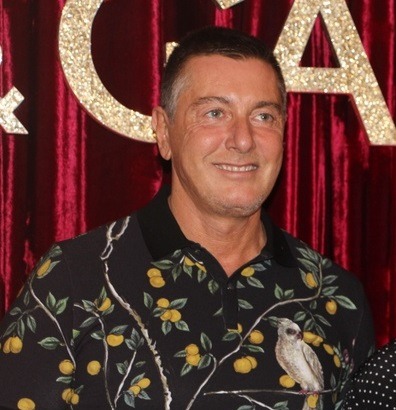
Stefano Gabbana, born on November 14, 1962, in Milan, Italy, is one of the most influential figures in the global fashion industry. As the co-founder of the iconic fashion house Dolce & Gabbana, Gabbana has played a crucial role in shaping contemporary fashion, blending traditional Italian craftsmanship with modern, provocative designs. His journey from a young designer to a global fashion mogul is marked by creativity, innovation, and a deep connection to Italian culture.
Early Life and Background
Stefano Gabbana was born into a family of Venetian origin in Milan, a city known for its rich cultural history and as a hub for fashion and design. Growing up in this environment, Gabbana was naturally inclined towards the arts and fashion. His formative years were spent absorbing the aesthetic influences of Milan, which later became a significant part of his design philosophy. Milan’s dynamic fashion scene in the 1960s and 70s played a pivotal role in shaping Gabbana’s early interest in fashion.
Meeting Domenico Dolce: The Birth of a Fashion Empire
Stefano Gabbana’s life took a significant turn when he met Domenico Dolce in the late 1970s. Dolce, who hailed from a small town in Sicily, shared Gabbana’s passion for fashion and design. The two met while working for the same fashion house in Milan, and their shared vision and complementary skills led them to form a partnership both in life and business.
In 1985, Dolce and Gabbana presented their first women’s collection at Milan Fashion Week. The collection, titled “Real Women,” was a nod to their use of non-professional models—friends and acquaintances—who embodied the natural, unfiltered beauty they wanted to showcase. Although the collection didn’t immediately receive widespread acclaim, it marked the beginning of what would become one of the most celebrated partnerships in fashion history.
The Rise of Dolce & Gabbana
The late 1980s and early 1990s were formative years for Dolce & Gabbana as they began to carve out their niche in the competitive world of high fashion. Their designs were characterized by a bold, sensual aesthetic that drew heavily on Italian cultural references—Sicilian traditions, Catholic imagery, and Mediterranean femininity. These elements became trademarks of the Dolce & Gabbana brand.
In 1986, they opened their first store, followed by the launch of their men’s collection in 1990. This was a pivotal moment that expanded their reach and solidified their reputation as trendsetters. Their men’s collections, like their women’s, were celebrated for their impeccable tailoring and distinctive Italian flair.
Defining Moments and Global Recognition
The 1990s were a decade of expansion and innovation for Dolce & Gabbana. Their collections became increasingly popular among celebrities and fashion icons, with their designs frequently gracing red carpets and magazine covers. One of the most iconic moments in the brand’s history came in 1993 when Madonna wore a bejeweled corset designed by Dolce & Gabbana to the Cannes Film Festival. This collaboration with the Queen of Pop was a significant endorsement that catapulted the brand into the global spotlight.
In addition to their success in fashion, Dolce & Gabbana ventured into other areas, launching their first fragrance, “Dolce & Gabbana Parfum,” in 1992. The fragrance was an instant success and laid the groundwork for what would become a lucrative line of perfumes and cosmetics.
The brand continued to grow, with Gabbana and Dolce receiving numerous awards for their innovative designs. In 1991, their men’s collection won the prestigious Woolmark Award for the most innovative collection of the year. This period also saw the launch of their diffusion line, D&G, aimed at a younger audience. D&G quickly became known for its playful and edgy designs, further broadening the appeal of the Dolce & Gabbana brand.
Challenges and Controversies
Despite their success, Stefano Gabbana and Domenico Dolce have not been without controversy. The brand’s provocative advertising campaigns, often featuring bold and sometimes controversial imagery, have sparked debates and criticisms over the years. However, these campaigns have also reinforced the brand’s identity as fearless and unapologetically bold, traits that have endeared it to its loyal customer base.
In the late 2000s, Gabbana and Dolce faced serious legal challenges. In 2009, they were accused of tax evasion by the Italian government, involving substantial amounts of money. The legal battle was long and arduous, culminating in a conviction in 2013, where both were sentenced to 20 months in prison. However, in 2014, the Italian Supreme Court overturned the conviction, clearing them of all charges. This period was undoubtedly one of the most challenging in Gabbana’s career, but it also demonstrated his resilience and determination to continue pushing the brand forward.
The 2000s: Innovation and Expansion
The 2000s were marked by further expansion and innovation for Dolce & Gabbana. In 2001, they launched D&G Junior, a line for children, expanding their brand’s reach to a younger demographic. This period also saw them designing costumes for major events, including Madonna’s Drowned World Tour in 2001, solidifying their reputation as designers for the stars.
Their collaboration with the world of sports also began in the 2000s. In 2004, Dolce & Gabbana signed a deal with the Italian football club AC Milan to design the team’s off-field uniforms. This partnership highlighted the brand’s versatility and ability to transcend traditional fashion boundaries.
Despite the end of their romantic relationship in 2004, Gabbana and Dolce continued to work together, maintaining their strong professional partnership. Their ability to separate their personal and professional lives was a testament to their shared commitment to the brand and its success.
The Impact of Dolce & Gabbana in the Fashion World
Stefano Gabbana’s impact on the fashion world cannot be overstated. Dolce & Gabbana has become synonymous with luxury, elegance, and Italian craftsmanship. The brand’s designs are instantly recognizable, known for their opulent fabrics, intricate details, and bold use of color. Gabbana’s work is a celebration of Italian culture, often drawing inspiration from Sicily’s rich history, art, and traditions.
Dolce & Gabbana’s influence extends beyond clothing. Their fragrances, eyewear, and accessories lines have all been successful, contributing to the brand’s status as a global luxury powerhouse. Gabbana’s creative vision has helped shape the fashion industry, influencing countless designers and setting trends that resonate around the world.
Legacy and Continuing Influence
As of today, Stefano Gabbana continues to play an active role in the fashion industry. Alongside Domenico Dolce, he oversees the creative direction of Dolce & Gabbana, ensuring that the brand remains at the forefront of fashion. Their ability to adapt to changing trends while staying true to their core aesthetic has allowed them to remain relevant in a highly competitive industry.
The brand’s continued success is a testament to Gabbana’s talent and vision. Dolce & Gabbana’s collections are still highly anticipated each season, and their shows are known for their theatricality and spectacle. Gabbana’s influence on fashion is enduring, and his work continues to inspire both established designers and emerging talents.
Historical Context and Cultural Significance
Stefano Gabbana’s contributions to fashion must be understood within the broader context of the global fashion industry and Italian cultural heritage. The 1980s and 1990s were transformative decades for fashion, marked by the rise of luxury brands and the globalization of fashion. Gabbana and Dolce capitalized on these trends, creating a brand that was both quintessentially Italian and globally appealing.
Their designs often reflect a deep connection to Italian culture, particularly the traditions and aesthetics of Sicily. This cultural grounding has given their work a unique authenticity that resonates with audiences worldwide. In an industry that is often criticized for being too commercial, Gabbana’s commitment to preserving and celebrating his cultural roots sets him apart.
Dolce & Gabbana’s impact on fashion extends beyond their collections. They have played a significant role in defining the image of luxury and glamour in the modern era. Their influence can be seen in the work of other designers, in popular culture, and in the way fashion is marketed and consumed. Gabbana’s legacy is not just one of design but of shaping the very nature of contemporary fashion.
Conclusion
Stefano Gabbana’s journey from a young designer in Milan to a global fashion icon is a story of creativity, resilience, and innovation. His work with Domenico Dolce has not only defined the Dolce & Gabbana brand but has also left an indelible mark on the fashion industry. Gabbana’s influence extends beyond the runway, impacting how fashion is perceived and experienced worldwide.
As he continues to lead Dolce & Gabbana into the future, Stefano Gabbana remains a key figure in the world of fashion, celebrated for his bold designs, his dedication to Italian culture, and his unwavering commitment to excellence. His legacy is one of creativity, passion, and an enduring influence on the global fashion landscape.


