
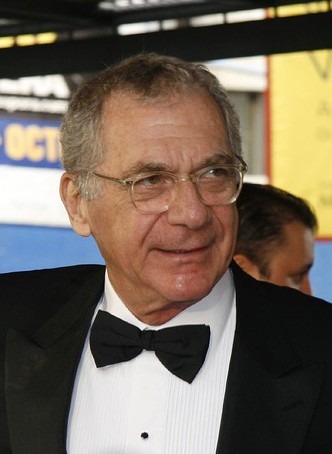
Sydney Pollack was a towering figure in the world of cinema, an American director, producer, and actor whose work left an indelible mark on the film industry. Born on July 1, 1934, in Lafayette, Indiana, Pollack’s journey from a humble background to becoming one of Hollywood’s most respected filmmakers is a story of talent, perseverance, and a deep understanding of the art of storytelling. This article will explore the life, career, and legacy of Sydney Pollack, providing insights into his most notable works, his impact on the film industry, and the historical context that shaped his career.
Early Life and Background
Sydney Pollack was born to Russian-Jewish immigrant parents, which profoundly influenced his worldview and artistic sensibilities. Growing up in Indiana, Pollack’s early exposure to the complexities of immigrant life in America likely informed the nuanced characters and narratives he would later create. His interest in the arts led him to New York’s Neighborhood Playhouse, where he studied acting under the legendary Sanford Meisner. This training would be foundational for Pollack, as it provided him with a deep understanding of character development and narrative structure—skills that would serve him well as a director.
Rise to Fame: Television to Film
Pollack’s early career began in television, where he quickly made a name for himself as a talented director. It was during this time that he met Robert Redford, an actor who would become a lifelong collaborator and friend. Their professional relationship would result in some of the most memorable films of the 20th century. Pollack’s transition from television to film was seamless, and his early works showcased his ability to handle complex narratives and extract powerful performances from his actors.
Key Collaborations and Films
One of the hallmarks of Pollack’s career was his collaboration with Robert Redford. Together, they worked on seven films, each of which contributed significantly to their respective careers. Notable among these is the 1972 film Jeremiah Johnson (known in Italy as “Corvo Rosso non avrai il mio scalpo”), a western that highlighted Pollack’s ability to blend action with deep character studies. Another critical success was The Way We Were (1973), a romantic drama that became a cultural touchstone, further cementing Pollack’s reputation as a director who could craft emotionally resonant stories.
However, it was Out of Africa (1985) that truly catapulted Pollack to international fame. This film, based on the autobiographical book by Karen Blixen, won Pollack his first Academy Award for Best Director. The movie was a sweeping epic that showcased Pollack’s skill in handling large-scale productions while maintaining an intimate focus on character and emotion. The success of Out of Africa was a testament to Pollack’s versatility and his ability to appeal to both critics and audiences alike.
Exploring Different Genres
Pollack was not one to be pigeonholed into a single genre. His filmography includes everything from thrillers to comedies, showcasing his wide-ranging interests and talents. In 1982, he directed Tootsie, a comedy that starred Dustin Hoffman as an actor who disguises himself as a woman to land a role. The film was a massive success, both commercially and critically, earning ten Academy Award nominations and becoming one of the highest-grossing films of the year. Tootsie was a departure from the more serious dramas Pollack was known for, but it demonstrated his keen understanding of comedy and his ability to tackle socially relevant themes with humor and sensitivity.
In the 1990s, Pollack continued to explore different genres, directing The Firm (1993), a legal thriller based on John Grisham’s novel, and Sabrina (1995), a romantic comedy-drama that was a remake of the 1954 film of the same name. While Sabrina was met with mixed reviews, The Firm was a commercial success, further solidifying Pollack’s reputation as a director capable of delivering box office hits.
Later Career and Legacy
As Pollack’s career progressed, he began to focus more on producing, although he never entirely stepped away from directing. He produced several critically acclaimed films, including Cold Mountain (2003) and The Talented Mr. Ripley (1999), showcasing his ability to recognize and nurture talent. Pollack also returned to acting, appearing in films like Eyes Wide Shut (1999) and Michael Clayton (2007), the latter of which earned him praise for his portrayal of a morally conflicted corporate executive.
In 2005, after a lengthy hiatus from directing, Pollack returned with The Interpreter, a political thriller starring Nicole Kidman and Sean Penn. While the film received mixed reviews, it was a reminder of Pollack’s skill in creating tense, engaging narratives. His final directorial work was the documentary Sketches of Frank Gehry (2007), which offered an intimate look at the life and work of the renowned architect and close friend.
Sydney Pollack passed away on May 26, 2008, after a battle with stomach cancer. His death marked the end of an era, but his films continue to be celebrated for their emotional depth, technical proficiency, and the humanity that Pollack brought to every project.
Historical Context and Influence
Sydney Pollack’s career spanned a period of significant change in the film industry. He began working during the Golden Age of Hollywood, a time when the studio system still dominated and directors often had to navigate the demands of studio executives while maintaining their artistic vision. Pollack was one of the directors who helped transition Hollywood into a new era, where filmmakers had more creative control and could explore more diverse and complex themes.
Pollack’s work is often characterized by its exploration of the human condition, a theme that resonates throughout his filmography. Whether dealing with the harsh realities of the American West in Jeremiah Johnson, the romantic complexities of The Way We Were, or the political intrigue of Three Days of the Condor (1975), Pollack always sought to uncover the deeper truths about his characters and their worlds.
His films often reflected the social and political issues of the times, whether it was the feminist undertones of Tootsie or the exploration of power and corruption in The Firm. Pollack’s ability to engage with contemporary issues while creating timeless stories is one of the reasons his work remains relevant today.
Conclusion: The Legacy of Sydney Pollack
Sydney Pollack’s contribution to cinema is undeniable. He was a filmmaker who brought a unique blend of intelligence, empathy, and technical skill to every project he undertook. His films are not just entertainment; they are explorations of the human experience, filled with rich characters, complex emotions, and thought-provoking themes.
Pollack’s legacy is also reflected in the careers of those he worked with, from actors like Robert Redford and Dustin Hoffman to writers and producers who were inspired by his approach to filmmaking. His influence can be seen in the work of contemporary directors who continue to push the boundaries of what cinema can achieve.
As we look back on Sydney Pollack’s life and career, it is clear that he was more than just a filmmaker; he was a storyteller in the truest sense, one who understood the power of film to illuminate the human condition and connect us to one another. His films will continue to be watched, studied, and appreciated for generations to come, ensuring that Sydney Pollack’s name will remain synonymous with excellence in cinema.


