
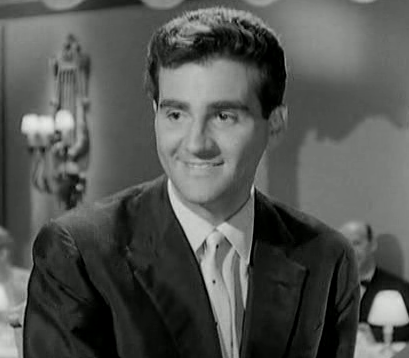
Teddy Reno, born Ferruccio Merk Ricordi on July 11, 1926, in Trieste, Italy, is an iconic figure in the world of Italian music and entertainment. Over the decades, he has carved out a legacy as a singer, producer, and cultural influencer, making significant contributions to the Italian music industry, particularly during the post-war period. Teddy Reno’s life is a fascinating journey through the golden age of Italian music, marked by his adaptability, innovation, and enduring appeal. This article provides a comprehensive overview of Teddy Reno’s life, his rise to fame, and the lasting impact he has had on the Italian and international music scene.
Early Life and Background
Teddy Reno was born into a family with a diverse cultural and religious background. His father, Giorgio Merk, was an engineer with noble roots tracing back to the Austro-Hungarian Empire, while his mother, Paola Sanguinetti, was of Jewish heritage. Growing up in Italy during the fascist regime presented numerous challenges, particularly due to his family’s Jewish background. The political climate of the time forced his father to change the family name from Merk von Merkenstein to Ricordi to avoid persecution.
From a young age, Reno displayed a natural talent for music, a passion that would shape his future career. His first public performance came in 1938 when he participated in a talent contest in Rimini, showcasing his musical prowess. However, the onset of World War II and the rise of fascism in Italy brought significant upheaval to his life. After the armistice on September 8, 1943, his mother, due to her Jewish identity, was forced to go into hiding. They sought refuge with relatives in Cesena, where Reno completed his final year of classical studies. Later, to evade capture by the fascist republicans, the family fled to Milan Marittima, where they lived under false identities until their eventual capture and imprisonment in Codigoro. Fortunately, they managed to escape and regain their freedom, an experience that undoubtedly shaped Reno’s outlook on life and his future career.
Early Career and Rise to Fame
After the war, Teddy Reno began to pursue his passion for music in earnest. He made his debut on Radio Trieste, the local radio station in his hometown, during the American administration. One of his early songs, “Eterno Ritornello (Te vojo ben),” gained attention and set the stage for his burgeoning career. In 1946, while on tour in Germany with the English orchestra led by Teddy Foster, Reno had a serendipitous encounter that would change his life. While crossing the Rhine River (Reno in Italian), he decided to adopt the name Teddy Reno as his stage name, combining the first name of the orchestra conductor with the river’s name. This marked the beginning of his journey to stardom under the name that would soon become famous.
Reno spent the next two years performing for Anglo-American troops stationed in Europe, gaining valuable experience and honing his craft. In 1948, he joined forces with Pippo Barzizza’s orchestra at Rai, the Italian national broadcaster, based in Turin. His participation in numerous radio programs, including the popular “Il Braccialetto di Sheherazade,” helped him build a national following and establish himself as a leading figure in the Italian music scene.
Achievements in Music and Media
Throughout the late 1940s and 1950s, Teddy Reno’s career flourished as he transitioned from radio to the recording studio. He founded his own production company, which played a pivotal role in the development and popularization of melodic music in Italy. His efforts during this period were instrumental in shaping the sound of Italian pop music, and his production company became a reference point for the genre from 1948 to 1961.
Reno’s radio presence continued to be strong, with successful shows like “Nati per la Musica” and “Punto Interrogativo,” which aired in the early 1950s. His ability to connect with audiences through radio helped solidify his reputation as a beloved entertainer. In addition to his musical career, Reno also ventured into the world of musical comedy, collaborating with well-known actors like Carlo Dapporto and Delia Scala. His participation in the Sanremo Music Festival in 1953 further elevated his status, although by 1954, he shifted his focus primarily to the burgeoning medium of television.
Television offered Reno a new platform to reach a broader audience. His international appeal was evident as he interacted with prominent figures like Hollywood actress Kim Novak and West German Chancellor Konrad Adenauer. In 1956, Reno expanded his repertoire by acting in the film “Totò, Peppino e la… malafemmina,” which became a classic of Italian cinema. This period marked the peak of his career, where he successfully navigated multiple facets of the entertainment industry, from music to film to television.
The 1960s: A Shift to Production and Talent Discovery
As the 1960s dawned, Teddy Reno began to shift his focus from performing to nurturing new talent. In 1961, he founded the record label Galleria del Corso, which became instrumental in launching the careers of several notable Italian artists, including Bruno Lauzi. Reno’s keen ear for talent and his understanding of the music industry allowed him to play a crucial role in shaping the careers of these artists, many of whom went on to become significant figures in Italian music.
One of Reno’s most enduring contributions to the Italian music scene was the creation of the “Festival degli Sconosciuti” in 1962, held in Ariccia. The festival aimed to discover and promote new musical talents, offering a platform for unknown artists to showcase their abilities. The inaugural edition of the festival was won by Rita Pavone, a young singer who would not only become a major star in her own right but also Reno’s wife. Their relationship, which began amidst some controversy due to their significant age difference and Reno’s prior marriage, became one of the most talked-about aspects of his personal life.
By the late 1960s, Reno had largely stepped back from performing, choosing instead to focus on his work behind the scenes. He and Rita Pavone moved to Switzerland, where they settled and raised their two sons, Alessandro and Giorgio Merk Ricordi. In 1968, Reno officially resumed his original surname, Merk Ricordi, as he gradually reduced his public appearances and shifted his attention to his family and business ventures.
Later Years and Legacy
Teddy Reno’s influence on the Italian music scene remained strong even as he stepped away from the limelight. In 2007, after decades of focusing on production and talent development, he made a surprise return to the stage with the album “Se questo non è amore,” which featured re-arranged versions of his greatest hits. This comeback was well-received and demonstrated his enduring appeal and relevance in the Italian music landscape.
In recognition of his contributions to music and culture, Reno received several prestigious awards in his later years. In 2013, he was honored with the Grand Prix Corallo in Alghero, a special award recognizing his lifetime achievements. The following year, in celebration of his 70-year career, he released a compilation album titled “Teddy Reno 70 anni,” which served as a testament to his enduring legacy in the world of music.
In 2016, the city of Trieste, Reno’s birthplace, awarded him the “Sigillo Trecentesco,” a prestigious seal of recognition, symbolizing the city’s appreciation for his contributions as a cultural ambassador of Trieste. This honor coincided with his 90th birthday, a milestone celebrated with the release of the double album “Pezzi da… 90,” which included his classic hits in new arrangements, along with previously unreleased tracks and rare recordings.
Personal Life and Controversies
Teddy Reno’s personal life has been as eventful as his professional career. His marriage to Rita Pavone in 1968 was the subject of much public scrutiny, not only because of their age difference—Reno was 19 years older than Pavone—but also due to the fact that Reno had previously been married. His first marriage, to Vania Protti, ended in separation in 1960, and he was only able to obtain a divorce after Italy’s divorce law was passed in 1971. Despite the controversy, Reno and Pavone’s marriage endured, and they became one of Italy’s most famous celebrity couples, residing in Switzerland with their two children.
Reno’s life story is one of resilience, adaptation, and a relentless pursuit of his passion for music. From his early days in fascist Italy to his later years as a celebrated music producer and talent scout, Reno has continually reinvented himself, leaving an indelible mark on the Italian music industry.
Conclusion
Teddy Reno’s life and career span some of the most transformative decades in Italian history. From the challenges of growing up in a fascist regime to becoming a beloved figure in post-war Italian entertainment, Reno’s journey is a testament to his talent, determination, and ability to navigate the complexities of the music industry. His contributions to Italian music, both as a performer and as a producer, have had a lasting impact, influencing generations of artists and shaping the sound of an era.
Today, Teddy Reno is remembered not only for his hits and his charismatic stage presence but also for his role in discovering and nurturing new talent. His legacy is one of creativity, innovation, and a deep commitment to the art of music, ensuring that his influence will be felt for many years to come.


