
Introduction
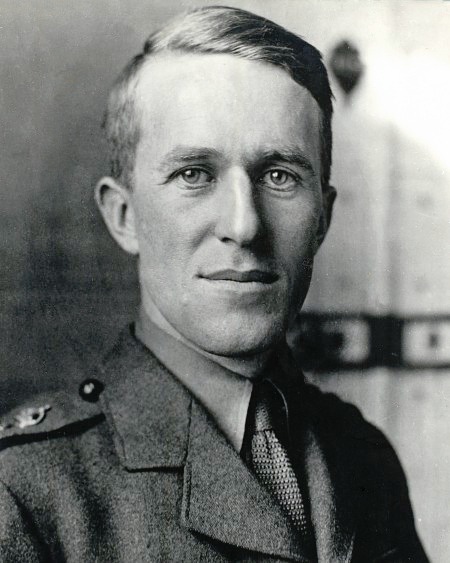
Thomas Edward Lawrence, better known as “Lawrence of Arabia,” is one of the most enigmatic and influential figures of the early 20th century. Born on August 16, 1888, in Tremadoc, Wales, Lawrence’s life was a tapestry of adventure, intellectual pursuit, and deep commitment to the Arab cause during World War I. His legacy, immortalized in literature and film, continues to captivate historians and the general public alike. This article delves into the life, achievements, and enduring fame of Thomas Edward Lawrence, exploring the nuances of his character and the historical context that shaped his extraordinary journey.
Early Life and Education
Thomas Edward Lawrence was born into a complex family dynamic. His father, Sir Thomas Chapman, was an Anglo-Irish baron who had left his wife and four daughters to live with his children’s governess, Sarah Junner. Lawrence was the second of their five illegitimate children, who adopted the surname “Lawrence” from their mother. This unconventional family background would later contribute to the mystique surrounding Lawrence’s life.
From a young age, Lawrence exhibited a profound interest in history and adventure. He was an exuberant and sensitive child, traits that would define his later exploits. His academic journey led him to Jesus College, Oxford, where he pursued a degree in history. It was during these formative years that Lawrence’s passion for the Middle East began to take shape. Between 1907 and 1909, he embarked on extensive travels to France and the Arab world, experiences that deepened his fascination with the region’s culture, language, and history.
Archaeological Pursuits and Early Middle Eastern Experience
Lawrence’s academic pursuits were closely tied to his love for archaeology. In 1910, he returned to the Middle East to participate in archaeological excavations at Carchemish, in modern-day Syria. These excavations, sponsored by the British Museum, allowed Lawrence to immerse himself in the culture and daily life of the Arab people. His fluency in Arabic and deep understanding of the region’s history and geopolitics earned him the respect of both his peers and the local population.
During this period, Lawrence was introduced to David George Hogarth, an influential archaeologist and a key figure in Lawrence’s life. Hogarth was a member of the “Round Table,” a semi-clandestine group with a mix of masonic and political associations. This introduction not only deepened Lawrence’s involvement in Middle Eastern affairs but also set the stage for his future role in the Arab Revolt.
World War I and the Arab Revolt
The outbreak of World War I in 1914 marked a turning point in Lawrence’s life. Initially assigned to the British Army’s intelligence services in Egypt, Lawrence’s deep knowledge of the Middle East soon positioned him as a crucial figure in the region. His mission was to encourage and support the Arab revolt against the Ottoman Empire, which had allied itself with the Central Powers (Germany and Austria-Hungary).
Lawrence’s role in the Arab Revolt went far beyond that of a typical intelligence officer. His deep emotional and intellectual connection with the Arab cause drove him to take on a leadership role, uniting disparate Arab tribes under a common goal. He convinced Sharif Hussein of Mecca to join forces with the Allies, leading to a series of military successes, most notably the capture of Aqaba in 1917. Lawrence’s ability to navigate the complex tribal politics and his strategic brilliance in guerrilla warfare made him a legendary figure among both Arabs and the British.
The Myth of Lawrence of Arabia
By the end of World War I, Lawrence had become a mythical figure, known as “Lawrence of Arabia.” His exploits were not only crucial to the success of the Arab Revolt but also romanticized by the media and later by Hollywood. However, the end of the war brought deep personal disappointment for Lawrence. Despite his efforts and promises, the British government, along with other Allied powers at the Versailles Peace Conference, refused to grant independence to the Arab territories, instead carving them into mandates under British and French control.
This betrayal deeply affected Lawrence, leading him to withdraw from public life and turn to writing. His most famous work, “Seven Pillars of Wisdom,” published in 1926, is both a memoir and a reflection on his experiences during the Arab Revolt. The book, written in a style reminiscent of epic poetry, captures the complexity of Lawrence’s character—his idealism, his deep connection to the Arab people, and his disillusionment with the political realities of the post-war world.
Later Life and Legacy
Following the publication of his memoirs, Lawrence sought anonymity and enlisted in the Royal Air Force (RAF) under the pseudonym “Ross.” His post-war years were marked by a desire to escape the fame that had engulfed him. He served in the RAF in India, continuing to write and translate, including a notable translation of Homer’s “Odyssey” in 1932.
Lawrence’s life came to a tragic and mysterious end on May 19, 1935, when he died in a motorcycle accident in Dorset, England, at the age of 47. The circumstances of his death have fueled speculation and conspiracy theories, adding to the mythos of Lawrence of Arabia. Some have suggested that Lawrence, a fervent nationalist, was involved in clandestine efforts to counter rising fascism in Europe, potentially planning to meet Adolf Hitler before his untimely death.
Historical Context and Cultural Impact
Understanding the life of Thomas Edward Lawrence requires an appreciation of the broader historical context in which he lived. The early 20th century was a period of intense geopolitical change, particularly in the Middle East. The decline of the Ottoman Empire, the rise of Arab nationalism, and the complex interplay of European colonial interests created a volatile environment in which Lawrence operated.
Lawrence’s legacy is not just that of a military leader or a scholar; he is a symbol of the complex relationship between the West and the Arab world. His deep empathy for the Arab cause, coupled with his role as a British officer, embodies the contradictions and challenges of this relationship. Lawrence’s life and writings offer valuable insights into the cultural and political dynamics of the Middle East, many of which continue to resonate today.
The Enduring Myth and Modern Interpretations
The story of Lawrence of Arabia has been immortalized in various forms, from literature to film. The 1962 film “Lawrence of Arabia,” directed by David Lean and starring Peter O’Toole, is perhaps the most famous portrayal of Lawrence’s life. The film, while not entirely historically accurate, captures the essence of Lawrence’s character and the epic scale of his adventures.
Modern interpretations of Lawrence’s life continue to evolve, reflecting contemporary perspectives on colonialism, nationalism, and the complexities of identity. Scholars and historians debate the accuracy of Lawrence’s own accounts, the role of British imperialism in the Arab Revolt, and the broader implications of his actions. Despite these debates, Lawrence’s impact on the history and culture of the Middle East is undeniable.
Conclusion
Thomas Edward Lawrence remains a figure of enduring fascination, a man whose life was as complex and multifaceted as the region he came to love. His achievements during the Arab Revolt, his literary contributions, and the myth that surrounds him continue to inspire and provoke discussion. Lawrence’s legacy is a testament to the power of individual agency in shaping history, as well as a reminder of the enduring complexities of the Middle East. As we continue to explore his life and work, Lawrence of Arabia will remain a symbol of both the possibilities and the perils of cross-cultural engagement.


