
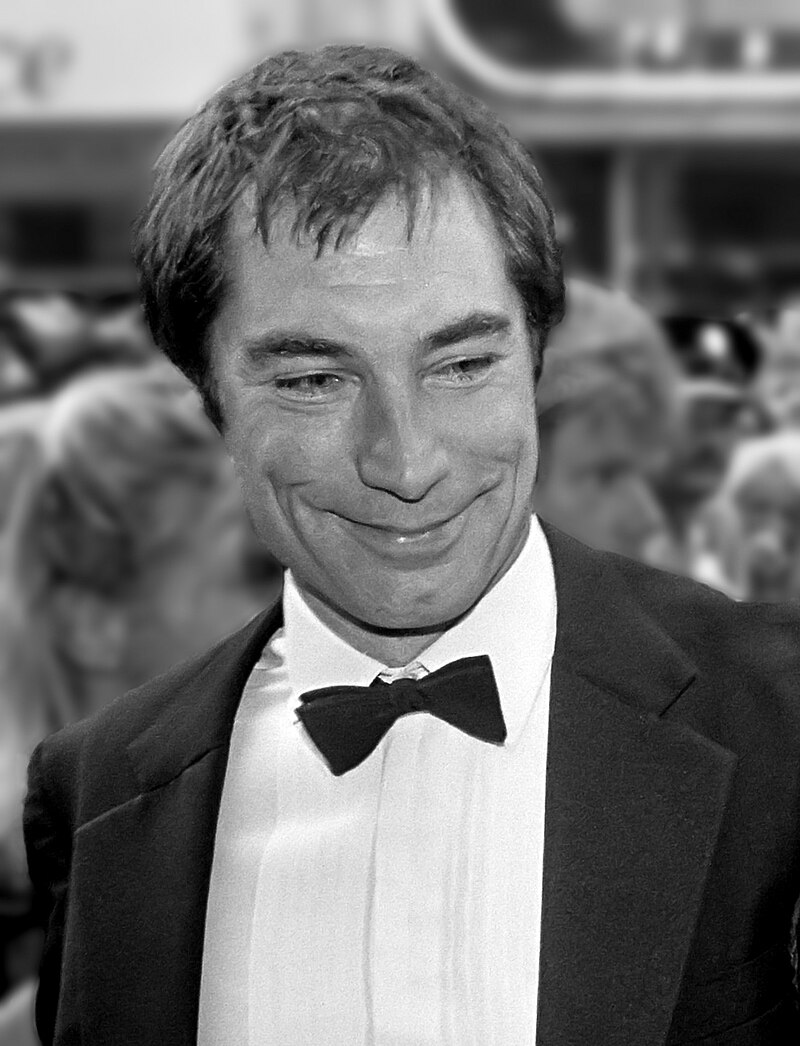
Timothy Dalton, a distinguished British actor, is best known for his portrayal of James Bond, a role that cemented his status as a prominent figure in the entertainment industry. Born on March 21, 1946, in Colwyn Bay, Wales, Dalton’s journey to fame was marked by dedication to his craft, a passion for theater, and a desire to bring authenticity to every role he played. This article delves into the life and career of Timothy Dalton, exploring his early years, rise to fame, and the highlights of his illustrious career.
Early Life and Education
Timothy Peter Dalton was born to a family with a military background; his father was a captain in the Special Operations Executive during World War II. The family relocated to England when Dalton was just four years old, settling in Derbyshire. It was here that Dalton attended the Herbert Strutt Grammar School in Belper, where his interest in acting began to take shape.
As a teenager, Dalton was a member of the Air Training Corps, an experience that instilled in him a sense of discipline and determination. However, it was a performance of William Shakespeare’s Macbeth that ignited his passion for acting. At just 16 years old, Dalton decided to pursue a career in the performing arts, a decision that would set the course for his future.
Dalton’s formal training began at the prestigious Royal Academy of Dramatic Art (RADA) in London, where he honed his craft alongside other aspiring actors. However, Dalton’s time at RADA was short-lived; he left the academy in 1966 to join the Birmingham Repertory Theatre, eager to gain practical experience in the theater.
The Early Career: Theater and Television
Timothy Dalton’s early career was marked by a series of successful stage performances, particularly with the Royal Shakespeare Company. His love for Shakespeare’s works was evident, and he quickly established himself as a versatile actor capable of tackling complex roles. Dalton’s dedication to the stage did not go unnoticed, and he soon began to receive offers for television roles.
In 1968, Dalton made his film debut as King Philip II of France in The Lion in Winter, a historical drama that also starred Peter O’Toole and Katharine Hepburn. The film was a critical success and marked the beginning of Dalton’s film career. Despite his burgeoning film career, Dalton never abandoned the stage, continuing to perform in various Shakespearean productions.
The 1970s: A Focus on Theater
The 1970s were a period of significant growth for Timothy Dalton, both professionally and personally. He chose to take a hiatus from film to concentrate on theater, a decision that allowed him to refine his craft further. Dalton’s performances with the Royal Shakespeare Company and other theater groups around the world earned him critical acclaim and solidified his reputation as a serious actor.
During this decade, Dalton also appeared in several television productions, including a 1970 adaptation of Emily Brontë’s Wuthering Heights, where he played the role of Heathcliff. His portrayal of the brooding, complex character showcased his ability to bring depth and intensity to his performances.
The 1980s: Hollywood and James Bond
The 1980s marked a turning point in Timothy Dalton’s career, as he began to make a name for himself in Hollywood. One of his most notable roles during this time was Prince Barin in the 1980 science fiction film Flash Gordon. However, it was his portrayal of Mr. Rochester in the 1983 BBC adaptation of Charlotte Brontë’s Jane Eyre that truly resonated with audiences, demonstrating his ability to embody romantic and complex characters.
In 1986, Dalton was offered the role that would define his career—James Bond. Following the departure of Roger Moore from the iconic spy franchise, Dalton was approached to take on the mantle of 007. Interestingly, Dalton had been considered for the role as early as 1968, but at that time, he felt too young to succeed Sean Connery.
Dalton’s portrayal of James Bond in The Living Daylights (1987) and Licence to Kill (1989) was a departure from the more light-hearted approach of his predecessors. Dalton’s Bond was darker, more intense, and closer to the character depicted in Ian Fleming’s novels. His interpretation of the iconic spy was well-received by critics, and both films performed well at the box office, with The Living Daylights earning more than its predecessors starring Moore.
However, despite his success, Dalton’s time as Bond was cut short. Legal issues between Eon Productions and MGM delayed the production of a third Bond film, and by the time the legal battles were resolved, Dalton decided to move on from the role. His portrayal of Bond remains a favorite among fans who appreciate his serious and realistic take on the character.
The 1990s: Beyond Bond
After stepping away from the James Bond franchise, Timothy Dalton sought to diversify his roles to avoid being typecast. The 1990s saw Dalton taking on a variety of roles in film, television, and theater, showcasing his versatility as an actor.
One of Dalton’s notable projects during this time was the 1994 television miniseries Scarlett, a sequel to Gone with the Wind, in which he played Rhett Butler, a role originally made famous by Clark Gable. Dalton’s portrayal of Butler was well-received, and the series was a commercial success.
Dalton also appeared in the 1991 film The Rocketeer, where he played the villainous Neville Sinclair, a Nazi spy. This role allowed Dalton to embrace a more theatrical, over-the-top style, contrasting sharply with his previous work as Bond. His performance was praised for its campy charm and villainous charisma.
In addition to his film and television work, Dalton continued to perform on stage, taking on roles in productions such as His Dark Materials, where he portrayed the complex and morally ambiguous character of Lord Asriel. This role further demonstrated Dalton’s ability to tackle challenging and multifaceted characters.
The 2000s and 2010s: A Respected Veteran Actor
As the years progressed, Timothy Dalton continued to take on diverse roles in both film and television. In 1999, he appeared in the thriller Made Men, and in 2003, he poked fun at his Bond persona in Looney Tunes: Back in Action, where he played the character of Damian Drake, a former spy.
Dalton also lent his voice to animated films, most notably as Mr. Pricklepants in Toy Story 3 (2010) and its subsequent installments. His deep, resonant voice was a perfect fit for the role, adding a touch of gravitas to the comedic character.
In addition to his film work, Dalton made guest appearances on popular television shows such as Doctor Who and Penny Dreadful. His role as Sir Malcolm Murray in Penny Dreadful was particularly well-received, with critics praising his intense and emotionally charged performance.
Personal Life and Legacy
Throughout his career, Timothy Dalton has been known for his dedication to his craft and his desire to bring authenticity to every role he plays. Despite his fame, Dalton has remained relatively private about his personal life. He has one son, Alexander Dalton, born in 1997 from his relationship with Russian musician Oksana Grigorieva. Dalton has never married, choosing instead to focus on his career and his love of acting.
Dalton’s legacy in the entertainment industry is undeniable. His portrayal of James Bond is often cited as one of the most faithful to Ian Fleming’s original character, and his performances in both film and theater have earned him a place among the great actors of his generation.
Conclusion
Timothy Dalton’s career is a testament to his talent, versatility, and dedication to the craft of acting. From his early days in the theater to his iconic role as James Bond, Dalton has consistently delivered performances that are both compelling and authentic. As he continues to take on new and challenging roles, Dalton remains a respected and admired figure in the world of entertainment, leaving an indelible mark on the industry.


