
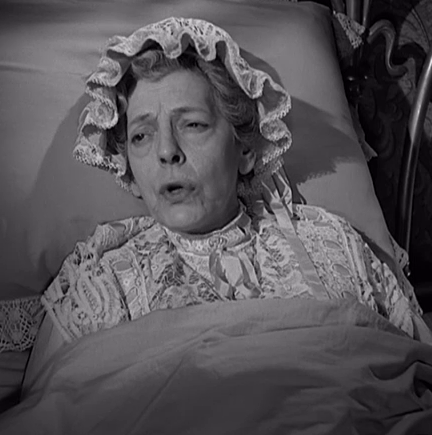
Tina Pica, born Concetta Luisa Annunziata on March 31, 1884, in Naples, Italy, is remembered as one of Italy’s most beloved actresses, renowned for her roles in both theater and cinema. Her life and career, spanning over half a century, offer a compelling narrative of artistic dedication and personal resilience. This comprehensive exploration delves into her early life, professional achievements, and the legacy she left behind.
Early Life and Beginnings
Tina Pica was born into a theatrical family in Naples, a city with a rich cultural heritage. Her mother, Clementina Cozzolina, and her father, Giuseppe Pica, were both prominent figures in the Italian theater scene. Giuseppe Pica was a well-known actor and capocomico, famous for creating the character Anselmo Tartaglia. Tina’s upbringing in this environment exposed her to the world of performance from an early age.
Starting her career at just seven years old, Tina performed alongside her parents in various theatrical productions. Her early roles in melodramas, such as “La figlia di un condannato” and “Le due orfanelle,” showcased her talent and set the stage for her future successes. Her distinctive voice and youthful appearance allowed her to portray a wide range of characters, including the iconic role of Anselmo Tartaglia when her father fell ill.
Theater Career and Innovations
In the 1920s, Tina Pica founded her own theater company, which produced successful plays like “Il ponte dei sospiri” and “Il fornaretto di Venezia.” Her innovative approach to theater was marked by her ability to blend traditional elements with modern interpretations. Her dedication to the craft extended beyond acting; she was involved in directing and writing as well, translating works into the Neapolitan dialect and creating new plays.
Her theatrical career was characterized by her strong will and perseverance. She managed the Teatro Italia, initially with Agostino Salvietti and later on her own. Her efforts in maintaining and running a theater during a period of significant change in Italian cinema and theater demonstrated her commitment to the performing arts.
Cinematic Breakthrough and Collaborations
Tina Pica’s transition into cinema began in the 1930s, with her notable debut in Totò’s film “Fermo con le mani” (1937). Her unique presence and comedic timing quickly made her a favorite among audiences. Her role in this film marked the beginning of a fruitful collaboration with other prominent figures in Italian cinema.
Her most significant cinematic success came with her role as Caramella in Luigi Comencini’s “Pane, Amore e Fantasia” (1953). This film not only elevated her career but also established her as a household name. Tina’s portrayal of the lovable governess was widely acclaimed, earning her a prominent place in Italian film history. Her performance was so impactful that it led to a series of similar roles in subsequent films, including “Pane, amore e gelosia” (1954) and “Pane, amore e…” (1955).
Key Collaborations and Later Career
Throughout her career, Tina Pica worked with some of Italy’s most renowned directors and actors. Her collaborations with Vittorio De Sica, such as in “Ieri, oggi, domani” (1963) and “L’oro di Napoli” (1954), were particularly notable. De Sica’s films often highlighted Tina’s ability to bring warmth and humor to her roles, contributing significantly to their success.
Pica also worked with other distinguished figures like Fernandel and Renato Rascel. Her collaborations with Totò, in films such as “Totò e Carolina” (1953) and “Destinazione Piovarolo” (1955), showcased her versatility and ability to complement the comedic style of her co-stars.
In addition to her film work, Tina Pica’s later career saw her involved in various productions that capitalized on her established screen persona. Films such as “Arriva la zia d’America” and “La sceriffa” were tailored to her strengths, ensuring that her legacy as a comedic actress remained strong.
Personal Life and Legacy
Tina Pica’s personal life was marked by both joy and tragedy. Her first marriage to Luigi ended tragically with his death after only six months, followed by the loss of their infant daughter. Despite these hardships, Tina found stability and happiness in her second relationship with Vincenzo Scarano, a Public Security officer. Their partnership lasted nearly forty years and was characterized by a shared passion for theater, leading them to co-write two plays: “L’onorevole Pipì” and “Giacomino e la suocera.”
Tina Pica’s life came to an end on August 15, 1968, in Naples, at the age of 84. Her death marked the end of an era for Italian cinema and theater. Her contributions to the performing arts, particularly her roles in comedic films and her innovative work in theater, left a lasting impact on the industry.
Conclusion
Tina Pica’s career is a testament to her remarkable talent and dedication to the arts. From her early beginnings in theater to her celebrated roles in Italian cinema, she remains a cherished figure in Italian cultural history. Her ability to connect with audiences through her unique blend of humor and heartfelt performances ensures that her legacy endures. As both a trailblazing actress and a beloved public figure, Tina Pica’s influence continues to be felt, reflecting her significant contributions to the world of entertainment.


