
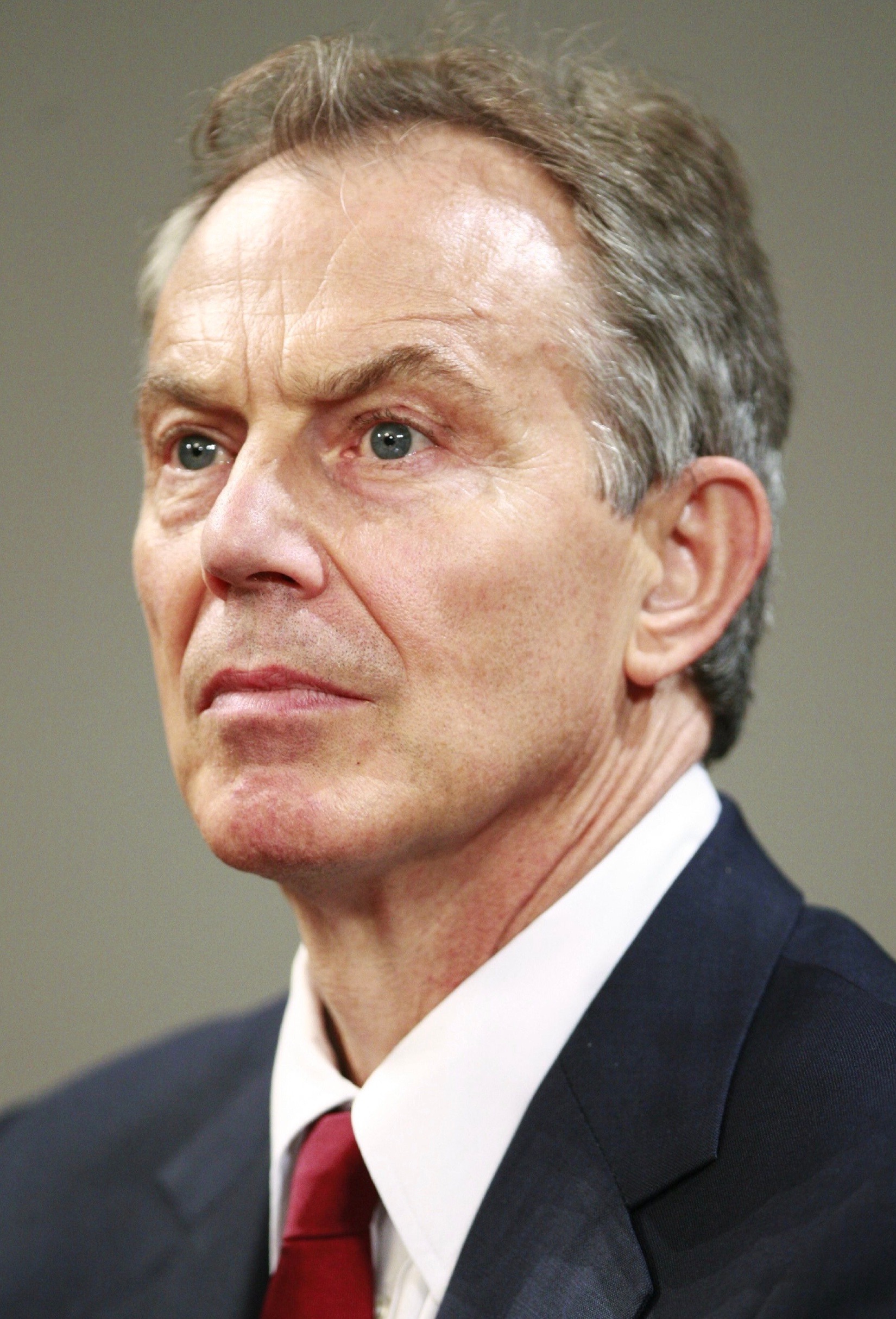
Tony Blair, born Anthony Charles Lynton Blair on May 6, 1953, in Edinburgh, Scotland, is a prominent figure in modern British politics. Serving as the Prime Minister of the United Kingdom from 1997 to 2007, Blair’s tenure was marked by significant political and social changes. This comprehensive exploration of his life delves into his early years, rise to fame, significant career highlights, and personal life, offering a detailed look at the man behind the political legacy.
Early Life and Education
Tony Blair was born into a middle-class family in Edinburgh. His father, Leo Blair, was a barrister and law lecturer, and his mother, Hazel Corscadden, was the daughter of a butcher. The family moved to Durham, England, when Blair was a young child. He attended the prestigious Fettes College in Edinburgh, known for its rigorous academic standards and discipline.
Oxford and Early Career
Blair went on to study law at St. John’s College, Oxford, where he earned a reputation as an outgoing and charismatic student. His time at Oxford was instrumental in shaping his future career, as he was actively involved in student politics and developed a keen interest in public service. After graduating in 1975, Blair trained as a barrister and began practicing law in London, focusing on industrial and labor rights cases.
Entry into Politics
Blair’s political career began in earnest in 1983 when he was elected as the Member of Parliament (MP) for Sedgefield in County Durham. At 30 years old, he was one of the youngest MPs at the time. Blair quickly rose through the ranks of the Labour Party, establishing himself as a leading figure within the party’s right-wing faction, which advocated for modernization and centrist policies.
The Road to Leadership
Blair’s ascent within the Labour Party was rapid. He held several key positions, including shadow ministerial roles for the Treasury, Trade and Industry, Energy, Employment, and the Home Office. His pragmatic approach and ability to connect with a broad spectrum of voters made him a standout figure. In 1994, following the sudden death of Labour leader John Smith, Blair was elected as the leader of the Labour Party, marking a turning point in British politics.
Prime Minister: A New Era
In 1997, Blair led the Labour Party to a landslide victory, ending 18 years of Conservative rule. At 43, he became the youngest Prime Minister of the UK since Lord Liverpool in 1812. Blair’s premiership was characterized by significant reforms and a focus on modernizing Britain’s political and social landscape.
Domestic Policies and Reforms
Blair’s government introduced a range of reforms aimed at improving public services and promoting social justice. Key initiatives included:
-
Education: Blair’s administration invested heavily in education, aiming to raise standards and increase access to higher education. The introduction of the Sure Start program provided early childhood education and care to disadvantaged families.
-
Healthcare: The government increased funding for the National Health Service (NHS) and implemented reforms to reduce waiting times and improve patient care.
-
Welfare: Blair’s policies focused on reducing poverty and promoting social inclusion. The introduction of the National Minimum Wage in 1999 was a landmark achievement aimed at ensuring fair pay for low-income workers.
-
Constitutional Reform: Blair’s government implemented devolution for Scotland, Wales, and Northern Ireland, granting them greater autonomy. The Good Friday Agreement in 1998 was a significant milestone in the Northern Ireland peace process.
Foreign Policy and Controversies
Blair’s foreign policy was marked by both successes and controversies. He played a key role in the NATO intervention in Kosovo in 1999 and was a staunch supporter of the United States in the aftermath of the September 11 attacks. Blair’s decision to support the US-led invasion of Iraq in 2003, however, proved to be highly controversial and divisive.
Iraq War
The Iraq War remains one of the most contentious aspects of Blair’s premiership. Blair justified the invasion based on the belief that Iraqi leader Saddam Hussein possessed weapons of mass destruction (WMDs). The failure to find WMDs and the subsequent instability in Iraq led to widespread criticism and damaged Blair’s credibility both domestically and internationally.
Third Term and Legacy
Despite the controversies, Blair secured a third term for Labour in the 2005 general election, although with a reduced majority. His third term focused on continuing domestic reforms and addressing the challenges of global terrorism and climate change. In 2007, Blair announced his resignation, paving the way for his successor, Gordon Brown.
Post-Premiership: Continued Influence
After leaving office, Blair remained active in public life. He was appointed as the Middle East envoy for the Quartet on the Middle East, a diplomatic entity involved in mediating peace between Israel and Palestine. Blair also founded the Tony Blair Institute for Global Change, which focuses on addressing global challenges such as governance, extremism, and climate change.
The Tony Blair Faith Foundation
In 2008, Blair launched the Tony Blair Faith Foundation, aimed at promoting religious understanding and combating extremism. The foundation’s work highlights Blair’s belief in the importance of interfaith dialogue and the role of religion in addressing global issues.
Autobiography and Public Speaking
In 2010, Blair published his memoir, “A Journey,” which provided an in-depth look at his life and career. The book was both a commercial success and a source of renewed controversy, particularly regarding his decisions on the Iraq War. Blair has since become a sought-after public speaker, sharing his insights on leadership, politics, and global affairs.
Personal Life
Tony Blair married Cherie Booth, a fellow barrister, in 1980. The couple has four children: Euan, Nicky, Kathryn, and Leo. Cherie Blair is a prominent figure in her own right, known for her work as a human rights lawyer and author. The Blairs are known for their strong family values and active involvement in charitable work.
Interests and Hobbies
Blair is known for his love of sports, particularly soccer. He is an avid supporter of Newcastle United Football Club. Blair also enjoys playing the guitar and has a keen interest in music. His affinity for Italy, especially Tuscany, is well-documented, and he often spends holidays there with his family.
Conversion to Catholicism
In 2007, Blair converted to Catholicism, the faith of his wife Cherie. This decision was significant given Blair’s previous position as Prime Minister of a predominantly Anglican country. His conversion reflects his deep personal faith and commitment to religious values.
Legacy and Impact
Tony Blair’s impact on British politics is profound and enduring. His leadership style, characterized by charisma, pragmatism, and a focus on modernization, transformed the Labour Party and reshaped the political landscape of the UK. Blair’s policies on education, healthcare, and welfare left a lasting legacy, while his role in international affairs continues to be a subject of debate.
Awards and Honors
Blair has received numerous awards and honors for his contributions to politics and public service. These include the Presidential Medal of Freedom, the US’s highest civilian honor, awarded by President George W. Bush in 2009. Blair has also been recognized for his efforts in promoting peace and interfaith dialogue.
Continuing Influence
Blair remains an influential figure in global politics. His work through the Tony Blair Institute for Global Change and various advisory roles keeps him at the forefront of discussions on governance, democracy, and international relations. Blair’s ability to adapt and address contemporary issues ensures that his influence will continue for years to come.
Conclusion
Tony Blair’s journey from a young barrister to one of the most significant British Prime Ministers of the modern era is a testament to his political acumen, resilience, and dedication to public service. His legacy is a complex blend of domestic achievements and international controversies, reflecting the challenges and triumphs of his time in office. As Blair continues to engage with global issues, his contributions to politics and public life remain a vital part of his enduring legacy.


