
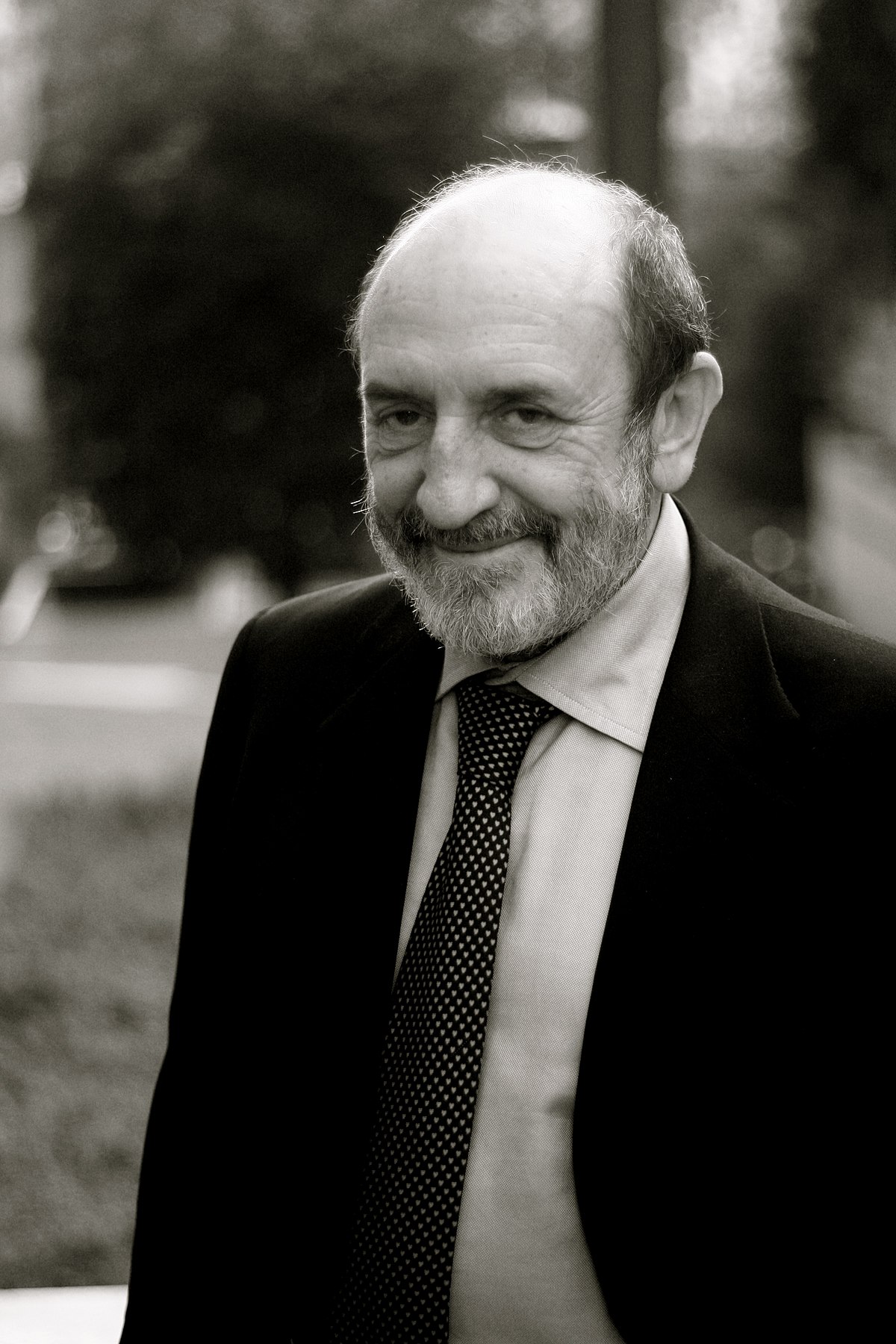
Umberto Galimberti, born on May 2, 1942, in Monza, Italy, is a renowned philosopher, psychoanalyst, and academic whose work has significantly impacted the fields of philosophy, anthropology, and psychology. His contributions span decades, marked by a deep engagement with existentialism, technology, and the human condition. In this article, we will explore Galimberti’s life, his rise to fame, and the key highlights of his career, providing detailed insights and historical context to understand his influence better.
Early Life and Academic Beginnings
Umberto Galimberti’s journey into philosophy began during his formative years, growing up in post-war Italy. His early interest in the humanities and the existential questions of life led him to pursue higher education in philosophy. By the late 1960s, Galimberti had already begun making his mark as a scholar and a public intellectual. His academic career took off in the 1970s when he became a disciple of Emanuele Severino, a prominent figure in post-war Italian philosophy. Under Severino’s mentorship, Galimberti honed his philosophical perspective, drawing heavily on the works of Karl Jaspers and Martin Heidegger.
The Influence of Karl Jaspers and Martin Heidegger
Galimberti’s philosophical outlook was profoundly shaped by his engagement with Karl Jaspers and Martin Heidegger, two towering figures in existential philosophy. His relationship with Jaspers, in particular, began in the early 1970s, leading to a lifelong dedication to translating and interpreting Jaspers’ works for the Italian audience. Galimberti’s first major publication, Heidegger, Jaspers e il tramonto dell’Occidente (“Heidegger, Jaspers, and the Decline of the West”), released in 1975, encapsulated his early intellectual endeavors. This book delves into the complex relationship between modern man and technology, a theme that would recur throughout his career.
The Critique of Technological Society
One of the central themes in Galimberti’s work is the critique of technological society. Drawing from Heidegger’s ideas, Galimberti argued that technology has fundamentally altered the human condition, relegating the human being to a peripheral role in a world dominated by machines and technical rationality. His work reflects a deep concern for the dehumanizing effects of technology, where human values and emotional depth are increasingly marginalized in favor of efficiency and control.
In his 1979 book, Psichiatria e Fenomenologia (“Psychiatry and Phenomenology”), Galimberti further explored the intersections of psychiatry, philosophy, and technology. This work, along with Il corpo (“The Body”) published in 1983, laid the groundwork for his later investigations into the human psyche’s interaction with the technological world.
Academic Career and Influence
Throughout the 1980s and 1990s, Galimberti’s academic career flourished. He became an associate professor of the philosophy of history at the University of Ca’ Foscari in Venice in 1983 and was later promoted to a full professorship in 1999. His academic work during this period focused on the relationship between philosophy and history, particularly how technological advancements have shaped Western thought.
Galimberti’s influence extended beyond academia. He became a prominent public intellectual, contributing regularly to major Italian newspapers such as Il Sole 24 Ore and La Repubblica. His columns often addressed contemporary issues from a philosophical perspective, making complex ideas accessible to the general public. His role as the curator of the epistolary column in D, la Repubblica delle donne, a widely read insert of La Repubblica, solidified his status as a respected voice in Italian cultural discourse.
Controversies and Accusations of Plagiarism
Despite his acclaim, Galimberti’s career has not been without controversy. In 2008, allegations of plagiarism surfaced, primarily spearheaded by the Italian newspaper Il Giornale. The controversy centered around claims that Galimberti had borrowed heavily from other authors without proper attribution in his book L’ospite inquietante (“The Troubling Guest”). Galimberti admitted to using the works of others but defended his actions as part of the broader philosophical tradition of dialogue and interpretation.
The controversy did not end there. Further accusations emerged regarding his earlier works, including Invito al pensiero di Heidegger (“An Invitation to the Thought of Heidegger”), published in 1986. Critics claimed that large portions of the book were unoriginal and that Galimberti had failed to adequately credit his sources. Despite these challenges, Galimberti continued to publish and maintain his position in the academic community, though the accusations undoubtedly tarnished his reputation.
Major Works and Contributions
Galimberti’s body of work is vast and varied, encompassing numerous books, essays, and public lectures. Some of his most notable publications from the 2010s and 2020s include:
- Parole d’ordine (2012): This work delves into the power of language and how specific words and phrases can shape cultural and social realities.
- Cristianesimo. La religione dal cielo vuoto (2012): In this book, Galimberti explores the role of Christianity in the modern world, particularly in a society where traditional religious beliefs are increasingly questioned.
- Giovane, hai paura? (2014): Addressing the anxieties of the younger generation, this book reflects on the challenges faced by youth in a rapidly changing world.
- La parola ai giovani. Dialogo con la generazione del nichilismo attivo (2018): Galimberti engages with the younger generation in this book, discussing the rise of nihilism and the search for meaning in contemporary society.
- Heidegger e il nuovo inizio. Il pensiero al tramonto dell’Occidente (2020): A continuation of his earlier work, this book revisits Heidegger’s philosophy in the context of the 21st century, offering insights into the ongoing relevance of existentialist thought.
Legacy and Impact
Umberto Galimberti’s legacy lies in his ability to bridge the gap between academic philosophy and the concerns of the broader public. His work has consistently addressed the pressing issues of his time, from the existential dilemmas posed by technology to the spiritual crises of modernity. Despite the controversies that have marred his career, Galimberti remains a significant figure in contemporary philosophy, known for his deep intellectual contributions and his ability to engage with a wide audience.
His critique of technological society, in particular, resonates in an era where digital technology and automation increasingly dominate every aspect of life. Galimberti’s insights into the dehumanizing potential of technology serve as a cautionary tale, urging us to reconsider the role of human values in a world that often prioritizes efficiency over empathy.
Conclusion
Umberto Galimberti’s life and work offer a rich tapestry of philosophical inquiry, public engagement, and, yes, controversy. Born in the aftermath of World War II, Galimberti’s intellectual journey reflects the tumultuous changes of the 20th and 21st centuries. From his early days as a disciple of Severino to his status as a public intellectual, Galimberti has consistently challenged us to think deeply about the human condition in an age of rapid technological advancement. Whether admired or critiqued, his work remains an essential part of the conversation on what it means to be human in the modern world.
In the ever-evolving landscape of philosophy, Umberto Galimberti stands out as a thinker who has not only engaged with the big questions of his time but has also brought those questions to a wider audience. His legacy will undoubtedly continue to influence future generations of philosophers, scholars, and anyone interested in the intersection of technology, humanity, and meaning.


