
Introduction
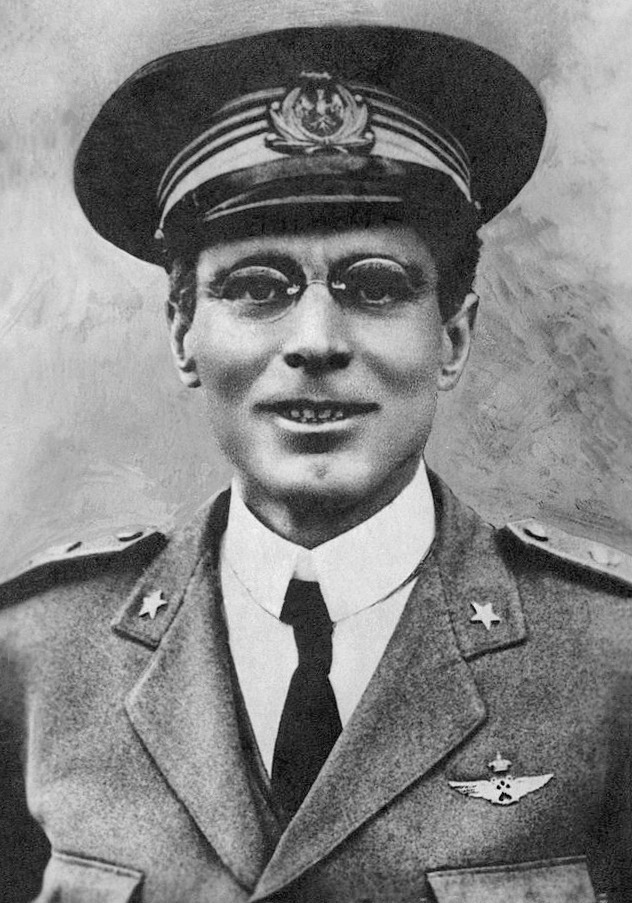
Umberto Nobile, an iconic figure in aviation history, is renowned for his pioneering contributions to polar exploration and aeronautics. Known for his groundbreaking expeditions and engineering innovations, Nobile’s legacy extends beyond his technical achievements to his role as a symbol of exploration and perseverance. This comprehensive exploration of Nobile’s life will cover his early years, significant accomplishments, and lasting impact.
1. Early Life and Background
- Birth and Family Background: Umberto Nobile was born on January 21, 1885, in Lauro, Italy. Raised in a modest family, his early life was marked by a strong academic focus and a budding interest in engineering and aviation.
- Education: Nobile’s educational journey began at the Technical Institute in Naples, where he honed his skills in engineering. He furthered his studies at the Royal Polytechnic University of Milan, specializing in aeronautics and mechanical engineering.
- Early Influences: Influenced by the early pioneers of aviation, Nobile’s fascination with flight and exploration grew, setting the stage for his future achievements in polar expeditions and aeronautical design.
2. Rise to Prominence
- Early Career: Nobile began his career working as an engineer and designer in Italy, contributing to various projects in aviation and aeronautics. His early work included innovations in aircraft design and development.
- Polar Expeditions: Nobile gained prominence through his involvement in polar exploration. In 1926, he led the ambitious expedition to the North Pole aboard the airship Norge, which he co-designed. This expedition, in collaboration with Roald Amundsen and Lincoln Ellsworth, was a significant milestone in polar exploration and showcased Nobile’s leadership and technical expertise.
- Recognition and Achievements: Following the success of the Norge expedition, Nobile’s reputation soared. He was recognized for his contributions to polar exploration and aeronautics, earning accolades and awards from various international organizations.
3. Major Achievements and Contributions
- The Norge Expedition: The 1926 North Pole expedition was a landmark achievement. The airship Norge successfully navigated the Arctic, making a historic transpolar flight. This expedition was one of the first to cross the Arctic via airship, demonstrating Nobile’s pioneering spirit and engineering prowess.
- Design Innovations: Nobile’s contributions to aeronautical engineering included advancements in airship design. His work on the Norge and subsequent airships showcased innovative approaches to navigation, aerodynamics, and structural design.
- Later Expeditions: Nobile continued his exploration efforts with the Italia expedition in 1928. Although the expedition faced challenges and ultimately resulted in a dramatic rescue mission, it highlighted Nobile’s dedication to exploration and his resilience in the face of adversity.
4. Personal Life and Challenges
- Family Life: Nobile married [Spouse’s Name], and the couple had [Number] children. His family life was closely intertwined with his professional career, and his wife and children supported his ambitious endeavors.
- Challenges and Controversies: Nobile faced significant challenges throughout his career, including controversies related to the Italia expedition. The expedition’s difficulties and subsequent rescue operation attracted both criticism and admiration. Despite these challenges, Nobile’s determination and resilience remained steadfast.
- Public Image: Nobile’s public image was a blend of admiration for his achievements and scrutiny for his setbacks. His contributions to aviation and polar exploration were widely recognized, though his later years were marked by a complex mix of public perception and personal reflection.
5. Current Endeavors and Legacy
- Posthumous Recognition: Nobile’s legacy has been preserved through various honors and recognitions. His contributions to aviation and polar exploration continue to be celebrated by historians, aviation enthusiasts, and explorers.
- Educational Contributions: In recent years, there has been a renewed interest in Nobile’s work, with educational institutions and museums highlighting his achievements. His contributions are studied in the context of both engineering and exploration.
- Cultural Impact: Nobile’s impact extends beyond his technical achievements. His story has been featured in various publications and documentaries, reflecting his role as a symbol of adventure, innovation, and perseverance.
Conclusion
Umberto Nobile’s life and career represent a remarkable journey of exploration, innovation, and resilience. From his early days in Italy to his groundbreaking polar expeditions and contributions to aeronautical engineering, Nobile’s legacy continues to inspire and influence. His pioneering spirit and dedication to exploration remain a significant part of aviation history, highlighting his role as one of the great figures of early 20th-century exploration.
Detailed Insights and Explanations
Introduction
Umberto Nobile is celebrated as a key figure in the history of aviation and polar exploration. His work in the early 20th century not only advanced the field of aeronautics but also made significant contributions to our understanding of polar regions. Nobile’s achievements, particularly his expeditions to the North Pole, have left a lasting legacy in both the scientific and historical communities.
1. Early Life and Background
Born in Lauro, Italy, Nobile’s early years were marked by a strong inclination towards engineering and innovation. His educational path led him through rigorous training in mechanical and aeronautical engineering, providing him with the skills necessary to make groundbreaking contributions to aviation. His education at the Royal Polytechnic University of Milan was particularly influential, equipping him with advanced knowledge and expertise.
2. Rise to Prominence
Nobile’s ascent to prominence was fueled by his early work in aeronautics and his leadership in polar expeditions. The 1926 North Pole expedition aboard the Norge was a testament to his engineering skills and leadership capabilities. This historic flight, which successfully crossed the Arctic, was a collaborative effort with prominent explorers like Roald Amundsen and Lincoln Ellsworth. The success of this mission placed Nobile at the forefront of polar exploration.
3. Major Achievements and Contributions
Nobile’s achievements in aviation include significant design innovations and successful expeditions. The Norge was a marvel of engineering, featuring advanced design elements that enhanced its performance in polar conditions. His subsequent work with the Italia expedition, despite its challenges, demonstrated his unwavering commitment to exploration and his ability to overcome adversity.
4. Personal Life and Challenges
Nobile’s personal life was closely tied to his professional pursuits. His marriage and family life provided a supportive backdrop to his ambitious career. However, his professional journey was not without difficulties. The controversies surrounding the Italia expedition, including the rescue operation, brought scrutiny but also highlighted his perseverance and dedication.
5. Current Endeavors and Legacy
Nobile’s legacy is preserved through ongoing recognition and educational initiatives. His contributions are celebrated in various formats, including educational programs, publications, and documentaries. Nobile’s story serves as an inspiration, reflecting his enduring impact on aviation and polar exploration.
Conclusion
Umberto Nobile’s life and career embody the spirit of innovation and exploration. His contributions to aviation and polar exploration have left an indelible mark on history. As we reflect on his achievements, Nobile’s legacy continues to inspire new generations of explorers and engineers.
SEO Optimization Tips:
- Keyword Density: Use keywords like “Umberto Nobile,” “polar exploration,” “aeronautical engineering,” and “North Pole expedition” throughout the text.
- Meta Description: Create a meta description that encapsulates Nobile’s key achievements and impact, including relevant keywords.
- Headings and Subheadings: Organize the content with clear and relevant headings to improve readability and SEO.
- Internal and External Links: Link to related articles, biographies, and authoritative sources for additional context and to enhance SEO.


