
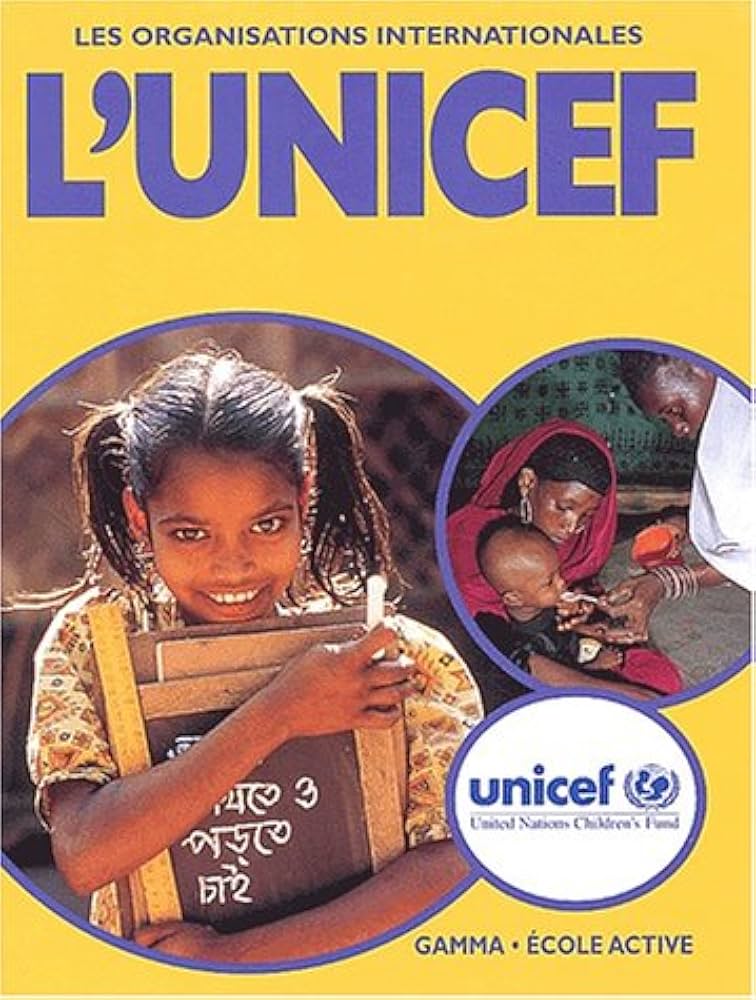
The United Nations Children’s Fund, better known as UNICEF, is one of the world’s most recognizable and impactful organizations dedicated to the welfare of children. Established in the aftermath of World War II, UNICEF has evolved from a temporary relief organization into a global force advocating for children’s rights. This article delves into the history, mission, and ongoing influence of UNICEF, providing insights into its operations, achievements, and the challenges it faces.
Historical Context and Foundation
UNICEF was founded on December 11, 1946, by the United Nations General Assembly. Its original purpose was to provide emergency food and healthcare to children in countries that had been devastated by World War II. The organization’s initial name, “United Nations International Children’s Emergency Fund,” reflects this focus on urgent relief. In 1953, as its mission broadened, the organization shortened its name to the United Nations Children’s Fund but retained the original acronym, UNICEF, which has since become synonymous with child welfare.
The historical context of UNICEF’s creation is critical to understanding its mission. The aftermath of World War II left millions of children orphaned, displaced, and in dire need of basic necessities. The war had wreaked havoc on Europe and parts of Asia, leading to unprecedented humanitarian crises. The establishment of UNICEF was a direct response to these conditions, with the United Nations recognizing that the recovery and future prosperity of these regions depended significantly on the well-being of their youngest citizens.
Mission and Global Reach
UNICEF’s mission is to advocate for the protection of children’s rights, to help meet their basic needs, and to expand their opportunities to reach their full potential. This mission is rooted in the belief that nurturing and caring for children are the cornerstones of human progress. The organization’s work is guided by the Convention on the Rights of the Child, adopted by the United Nations in 1989, which has been ratified by 193 countries, making it the most widely endorsed human rights treaty in history.
UNICEF operates in over 150 developing countries and territories, often in the most challenging and remote areas. The organization’s field offices, totaling over 120, are critical to its operations, allowing UNICEF to implement programs tailored to the specific needs of the communities they serve. In more economically advanced countries, UNICEF is supported by National Committees, which help to raise funds, advocate for children’s rights, and promote awareness of the organization’s work.
Key Areas of Focus
UNICEF’s work spans several critical areas, all aimed at improving the lives of children worldwide. These include:
-
Health and Nutrition: UNICEF works to ensure that every child has access to healthcare and nutrition. This includes vaccination programs, initiatives to combat malnutrition, and efforts to provide clean water and sanitation. The organization’s work in health is perhaps most visible in its campaigns to eradicate diseases like polio and its efforts to reduce child mortality rates globally.
-
Education: Education is a key focus for UNICEF, which believes that every child has the right to learn. The organization works to provide access to quality education for all children, particularly those in the most disadvantaged communities. UNICEF’s educational initiatives also emphasize gender equality, striving to ensure that girls have the same educational opportunities as boys.
-
Child Protection: Protecting children from violence, exploitation, and abuse is a core component of UNICEF’s mission. The organization works to create safe environments for children, both in their homes and in their communities, and to provide support for children who have been victims of abuse.
-
Emergency Response: In times of crisis, whether caused by natural disasters, armed conflict, or pandemics, UNICEF is often on the front lines, providing immediate relief and long-term support. The organization’s ability to mobilize resources quickly and effectively has made it a critical player in global humanitarian efforts.
-
Advocacy and Policy: UNICEF advocates for policies that promote and protect children’s rights. This involves working with governments to develop and implement laws and policies that benefit children, as well as conducting research and gathering data to inform policy decisions.
Achievements and Recognitions
UNICEF’s impact over the decades has been profound. The organization’s efforts have contributed to significant improvements in child health and education, the reduction of child mortality rates, and the protection of millions of children from exploitation and abuse.
One of UNICEF’s most notable achievements came in 1965 when the organization was awarded the Nobel Peace Prize. This recognition was a testament to UNICEF’s efforts to promote global peace and security through its work with children. The Nobel Committee highlighted UNICEF’s role in reducing infant mortality, eradicating diseases, and improving the lives of children around the world.
UNICEF has also been a driving force behind global campaigns that have saved millions of lives. For instance, its work in immunization has been instrumental in the near-eradication of diseases like polio and measles. The organization’s efforts to promote breastfeeding, improve maternal health, and provide clean water and sanitation have also led to significant public health gains.
Challenges and Controversies
Despite its many successes, UNICEF has not been without its challenges and controversies. The organization operates in some of the most complex and dangerous environments in the world, where access to resources and the safety of its staff are constant concerns. Political instability, conflicts, and natural disasters can hinder UNICEF’s ability to deliver aid and implement programs effectively.
In addition, UNICEF has faced criticism over the years regarding its operational efficiency and the allocation of resources. Some critics argue that the organization’s administrative costs are too high, potentially diverting funds away from direct aid to children. UNICEF has responded to these criticisms by increasing transparency, improving its operational efficiency, and ensuring that donor funds are used effectively.
Another challenge for UNICEF is the evolving landscape of global health and development. The rise of new health threats, such as the COVID-19 pandemic, and ongoing issues like climate change and migration, require UNICEF to adapt its strategies continually. The organization must balance its traditional focus on child survival and development with the need to address emerging global challenges.
The Future of UNICEF
As UNICEF approaches its eightieth anniversary, the organization remains as relevant as ever. The challenges facing children today are vast and complex, but UNICEF’s experience, expertise, and global reach position it uniquely to address these issues.
Looking forward, UNICEF is likely to continue expanding its work in areas such as digital education, climate change, and mental health. The organization is also expected to deepen its focus on equity, ensuring that the most marginalized and vulnerable children receive the support they need. This includes a renewed emphasis on gender equality, disability rights, and the inclusion of children in all aspects of society.
UNICEF’s future success will depend on its ability to adapt to a rapidly changing world. This will require continued innovation, strong partnerships, and a commitment to its core mission of advocating for every child’s right to a safe, healthy, and fulfilling life.
Conclusion
UNICEF’s legacy is one of compassion, commitment, and resilience. From its origins in the aftermath of World War II to its current role as a global leader in child advocacy, UNICEF has consistently worked to protect and improve the lives of children worldwide. The organization’s achievements are a testament to the power of collective action and the belief that every child deserves a chance to thrive.
As the world faces new and ongoing challenges, UNICEF’s work is more important than ever. The organization’s ability to adapt, innovate, and collaborate will be key to its continued success in the years to come. With its unwavering focus on the needs of children, UNICEF is poised to make a lasting impact on the world’s future.


