
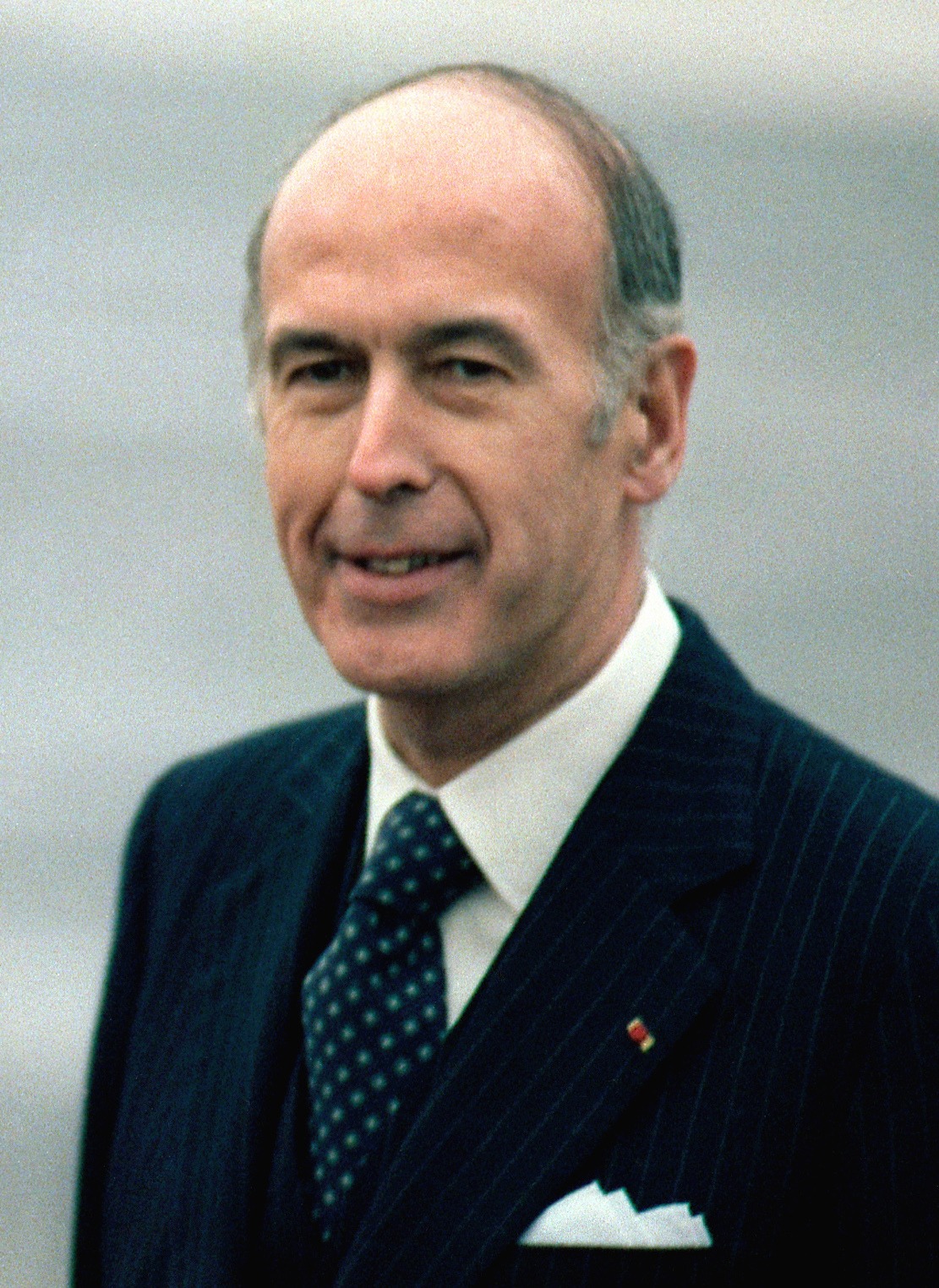
Valéry Giscard d’Estaing, a name that resonates deeply within the corridors of European history and French politics, was a man whose influence extended far beyond the borders of France. Known for his forward-thinking policies, commitment to European unity, and a presidency that marked a significant era in French political history, Giscard d’Estaing remains a pivotal figure. This article delves into the life and legacy of Valéry Giscard d’Estaing, exploring his age, rise to fame, and the key highlights that shaped his remarkable career.
Early Life: The Foundations of a Statesman
Valéry Marie René Georges Giscard d’Estaing was born on February 2, 1926, in Koblenz, Germany. His birth in a foreign land was a consequence of his father’s role as a high-ranking French civil servant stationed in Germany during the tumultuous years of the Weimar Republic. The Giscard d’Estaing family was one of considerable influence and prestige, deeply rooted in French diplomatic and political circles. His father, Edmond Giscard d’Estaing, played a crucial role in shaping the young Valéry’s future, instilling in him a deep sense of duty and an understanding of the complexities of international relations.
Raised in Paris after the family returned to France, Giscard d’Estaing exhibited an early brilliance in academics. He attended the prestigious Lycée Louis-le-Grand, where he developed a keen interest in science and mathematics. However, it was his experiences during World War II that would significantly influence his future. At the age of 18, Giscard d’Estaing joined the French Resistance, participating in operations against the Nazi occupation of France. His involvement in the war effort was not merely a youthful adventure but a formative experience that instilled in him a lifelong commitment to public service.
Education and Early Career: A Path to Politics
After the war, Valéry Giscard d’Estaing continued his education at the École Polytechnique, one of France’s most prestigious institutions. There, he honed his analytical skills and developed a passion for public administration. Recognizing his aptitude for governance, he pursued further studies at the École Nationale d’Administration (ENA), a school that has produced many of France’s leading politicians. His education at ENA laid the groundwork for his future political career, providing him with the skills and networks necessary to navigate the complex world of French politics.
In 1952, after completing his studies, Giscard d’Estaing began his career as an inspector of finances in the French civil service. His work in this role quickly garnered attention, showcasing his exceptional talent in economic matters. However, his ambitions extended beyond the confines of bureaucratic work. In 1956, at the age of 30, he made his first significant foray into politics by running for a seat in the French National Assembly as a representative of the Puy-de-Dôme department. His election marked the beginning of a political career that would span several decades.
Political Ascent: From Parliament to Finance Minister
Valéry Giscard d’Estaing’s early political career was marked by his independent streak and his alignment with conservative ideals. Despite his youth, he distinguished himself from his more seasoned colleagues by his support for General Charles de Gaulle’s vision for France. This support, however, was nuanced; while he admired de Gaulle’s leadership, he also demonstrated a willingness to challenge the status quo, a trait that would define his political career.
In 1959, just a few years after his election to the National Assembly, Giscard d’Estaing was appointed as Secretary of State for Finance under the administration of Prime Minister Michel Debré. His competence in economic matters did not go unnoticed, and in 1962, he was promoted to Minister of Finance by President Georges Pompidou. As Finance Minister, Giscard d’Estaing implemented policies aimed at stabilizing the French economy, which included austerity measures that, while necessary, were not without controversy.
His tenure as Finance Minister was a period of significant economic reform in France. However, his relationship with de Gaulle grew increasingly strained, particularly over economic policy differences. By 1966, these tensions culminated in his removal from the cabinet. Undeterred, Giscard d’Estaing used this setback to establish his own political party, the Independent Republicans, positioning himself as a centrist alternative to the Gaullists.
Presidential Ambitions: The Road to the Élysée Palace
The death of President Georges Pompidou in 1974 presented Valéry Giscard d’Estaing with an opportunity to fulfill his presidential ambitions. By this time, he had established himself as a significant figure in French politics, respected for his economic acumen and moderate stance. He declared his candidacy for the presidency, running on a platform that emphasized economic modernization, European integration, and social reform.
The 1974 presidential election was one of the most closely contested in French history. In the first round, Giscard d’Estaing narrowly defeated Jacques Chaban-Delmas, the Gaullist candidate, to advance to the runoff against François Mitterrand, the leader of the Socialist Party. The campaign was intense, with Giscard d’Estaing leveraging his youthful energy and vision for a modern France to appeal to voters. His decisive moment came during a televised debate with Mitterrand, where he famously remarked, “You do not have a monopoly on the heart,” a line that resonated with the electorate.
On May 27, 1974, Valéry Giscard d’Estaing was elected as the third President of the Fifth French Republic, winning 50.8% of the vote. At the age of 48, he became one of France’s youngest presidents, ushering in a new era of leadership that promised to blend tradition with progress.
The Giscard Presidency: Reform and Modernization
Valéry Giscard d’Estaing’s presidency was marked by significant social and economic reforms. From the outset, he positioned himself as a reformer, determined to modernize French society and government. One of his first acts as president was to lower the voting age from 21 to 18, a move that symbolized his commitment to engaging younger generations in the political process.
Giscard d’Estaing’s domestic policies focused on liberalizing the French economy, promoting technological innovation, and expanding civil liberties. He introduced measures to modernize France’s infrastructure, including the development of high-speed rail (TGV) and the expansion of nuclear energy as a primary power source. On the social front, his government passed landmark legislation that legalized abortion and promoted gender equality, reflecting his progressive stance on social issues.
Despite his domestic achievements, Giscard d’Estaing faced significant challenges during his presidency. The global economic downturn of the 1970s, triggered by the oil crisis, strained the French economy and limited the effectiveness of his reforms. Additionally, his leadership style, which was often seen as elitist and detached, led to growing discontent among the French public.
European Integration: A Vision for a United Europe
Beyond France’s borders, Valéry Giscard d’Estaing was a passionate advocate for European integration. He believed that a united Europe was essential for maintaining peace and prosperity on the continent. During his presidency, he worked closely with West German Chancellor Helmut Schmidt to strengthen Franco-German relations and advance the cause of European unity. Together, they were instrumental in the creation of the European Monetary System (EMS), which laid the groundwork for the euro.
Giscard d’Estaing’s commitment to European integration was not limited to economic matters. He also played a key role in promoting political cooperation among European nations. In 1979, he supported the first direct elections to the European Parliament, a significant step towards enhancing the democratic legitimacy of European institutions.
His vision for Europe was one of unity and cooperation, and he remained dedicated to this cause long after his presidency. In 2002, he was elected President of the Convention on the Future of Europe, where he played a leading role in drafting the European Constitution, a precursor to the Treaty of Lisbon.
The End of the Presidency: Defeat and Legacy
Valéry Giscard d’Estaing’s presidency came to an end in 1981 when he was defeated in his bid for re-election by François Mitterrand. The loss was a significant blow, exacerbated by the lack of support from key figures within his own party, notably Jacques Chirac, who had become a formidable rival. Despite his electoral defeat, Giscard d’Estaing’s legacy as a reformer and a champion of European integration endured.
After leaving the Élysée Palace, Giscard d’Estaing remained active in public life. He continued to influence French and European politics, serving in various capacities, including as a member of the European Parliament and as President of the Regional Council of Auvergne. His contributions to the European project, particularly through his work on the European Constitution, solidified his place as one of the architects of modern Europe.
Later Years and Death: A Statesman Remembered
In his later years, Valéry Giscard d’Estaing remained a respected elder statesman, offering his insights on political and economic issues. His marriage to Anne-Aymone Sauvage de Brantes produced four children, one of whom, Louis Giscard d’Estaing, followed in his father’s footsteps by entering politics.
Giscard d’Estaing’s health declined in his final years, and he passed away on December 2, 2020, at the age of 94 in Tours, France. His death marked the end of an era, and tributes poured in from across the political spectrum, reflecting the deep respect he commanded as a leader who had shaped the course of French and European history.
Conclusion: Valéry Giscard d’Estaing – A Legacy of Reform and Unity
Valéry Giscard d’Estaing was a transformative figure in French politics, whose influence extended far beyond his time in office. As a reformer, he modernized French society, championing social and economic changes that reflected his progressive vision. As a European statesman, he played a crucial role in advancing the cause of European integration, laying the foundations for the modern European Union.
His legacy is one of innovation, moderation, and a deep commitment to the values of democracy and cooperation. Valéry Giscard d’Estaing’s life and career serve as a testament to the power of visionary leadership and the enduring impact of a statesman dedicated to the greater good.


