
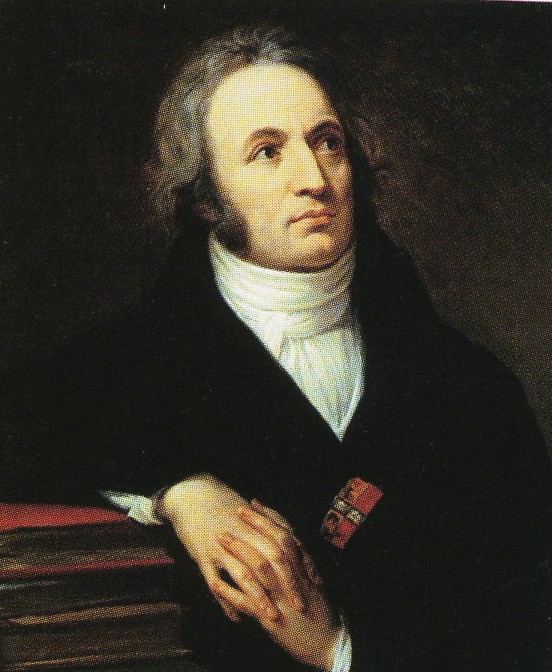
Vincenzo Monti is a towering figure in Italian literature, known for his poetry, translations, and significant contributions to the cultural and intellectual life of Italy during the late 18th and early 19th centuries. Born on January 19, 1754, in the village of Alfonsine near Ravenna, Monti’s life was marked by a journey through various literary styles, political upheavals, and personal challenges, all of which shaped his career and legacy. This article delves into Monti’s life, exploring his age, rise to fame, and the highlights that have made him a key figure in the history of Italian literature.
Early Life and Education
Vincenzo Monti was born into a modest family in the small village of Alfonsine, located in the region of Emilia-Romagna. His father, Fedele Maria Monti, was a land steward, and his mother, Adele, was a homemaker. The family moved to the nearby village of Maiano when Monti was still a child, where he received his early education under the guidance of a local priest. This early education laid the groundwork for his lifelong passion for literature and poetry.
Monti’s academic journey took him to the seminary in Faenza, where he was first introduced to the world of classical literature and poetry. It was here that Monti began to cultivate his talent for writing, a skill that would later define his career. Despite his burgeoning interest in literature, Monti was initially directed by his family towards a more practical career. He enrolled at the University of Ferrara to study medicine, a common expectation for young men of his time. However, Monti’s passion for literature could not be suppressed, and he soon began to make his mark as a poet.
The Early Literary Career
Vincenzo Monti’s literary career officially began with the publication of his first work, “La visione di Ezechiello,” which was printed by the Stamperia Camerale of Ferrara. This early success encouraged Monti to pursue his literary ambitions more vigorously, and he soon moved to Rome in 1778, where he would spend a significant portion of his life.
Rome, with its rich cultural heritage and vibrant intellectual community, provided the perfect environment for Monti to develop his craft. He quickly became involved in the city’s literary circles and gained recognition for his poetic talents. One of his early successes in Rome was the “Prosopopea di Pericle,” which established him as a poet of considerable skill. Monti’s reputation grew further when he delivered “La bellezza dell’Universo” at the wedding of Pope Pius VI’s nephew, Luigi Braschi Onesti. This event marked Monti’s introduction to the higher echelons of Roman society and secured his place as a prominent literary figure in the city.
Monti and Neoclassicism
During his time in Rome, Monti became closely associated with the Neoclassical movement, which sought to revive the ideals of classical antiquity in literature and art. His works from this period, such as “Al signor di Montgolfier,” reflect the influence of Neoclassicism, combining classical imagery with contemporary themes. Monti’s ability to blend traditional and modern elements made him a leading voice in the Neoclassical movement in Italy.
One of Monti’s significant works from this period is “Feroniade,” a poem dedicated to the reclamation of the Roman countryside, a project initiated by Pope Pius VI. Although incomplete, the poem is a testament to Monti’s skill in using classical forms to address contemporary issues. His work during this period also included sonnets and other poems that celebrated various aspects of Roman culture and history.
The “Bassvilliana” and Reaction to the French Revolution
Monti’s career took a dramatic turn with the outbreak of the French Revolution in 1789. The Revolution, which initially inspired many intellectuals with its ideals of liberty and equality, soon descended into violence and chaos, culminating in the Reign of Terror. Monti, who had initially supported the Revolution, became increasingly disillusioned with its excesses.
This disillusionment is powerfully expressed in Monti’s poem “Bassvilliana,” a work that stands as one of his most important contributions to Italian literature. The poem tells the story of Ugo Bassville, a French diplomat who, after witnessing the horrors of the Revolution, repents for his earlier actions and seeks forgiveness from King Louis XVI. “Bassvilliana” is a Romantic poem that reflects Monti’s horror at the violence of the Revolution and his rejection of its radicalism. The work was widely acclaimed and is considered a masterpiece of anti-French Revolutionary literature.
Monti’s Tragedies and the Shift to Romanticism
As the 18th century drew to a close, Monti continued to evolve as a writer. His works from this period show a gradual shift from the strict Neoclassicism of his earlier years to the more emotional and expressive style of Romanticism. This transition is evident in his tragedies “Caio Gracco,” “Galeotto Manfredi,” and “I Messeni,” which explore themes of power, betrayal, and moral conflict.
These tragedies, while rooted in classical forms, also reflect the influence of the emerging Romantic movement, with their focus on individual emotions and the darker aspects of human nature. Monti’s ability to adapt to changing literary trends while maintaining his distinctive voice is one of the hallmarks of his career.
Monti’s Involvement in the Napoleonic Era
The turn of the century brought significant political changes to Italy, with the rise of Napoleon Bonaparte and the establishment of the Napoleonic Kingdom of Italy. Monti, who had initially been a critic of the French Revolution, found himself in a complicated position as Napoleon rose to power. Like many intellectuals of his time, Monti saw in Napoleon a figure who could bring stability and reform to Italy, and he decided to align himself with the new regime.
In 1804, Napoleon appointed Monti as the official poet of the Italian government, a position that allowed Monti to become one of the most prominent cultural figures of the Napoleonic era. Monti’s works from this period, including “Prometeo,” “Il bardo della Selva Nera,” and “La spada di Federico II,” are characterized by their celebration of Napoleon as a bringer of civilization and peace. These works, while politically motivated, also demonstrate Monti’s continued commitment to classical forms and themes.
One of Monti’s most significant achievements during this period was his translation of Homer’s “Iliad” into Italian. Although Monti’s translation was based on a Latin version of the text, it was widely praised for its poetic beauty and remains one of the most important Italian translations of the work. Monti’s “Iliad” is considered a masterpiece of Italian Neoclassicism and a testament to his literary skill.
The Post-Napoleonic Period and Later Years
The fall of Napoleon in 1815 brought about a dramatic change in the political landscape of Europe. In Italy, the return of Austrian rule meant the restoration of conservative values and a rejection of many of the reforms introduced during the Napoleonic era. Monti, who had been a prominent supporter of Napoleon, found himself in a difficult position.
Despite the political changes, Monti remained an influential figure in Italian cultural life. He continued to write, although his later works are generally considered less significant than his earlier achievements. Some of his notable works from this period include “Cantate per sua Maestà Imperiale Reale,” “Il mistico omaggio,” and “Il ritorno di Astrea,” which reflect his attempts to adapt to the new political realities while maintaining his literary principles.
In the final years of his life, Monti’s health began to decline. He suffered from various ailments, including a gradual loss of hearing and vision. Despite these challenges, he continued to write, producing works such as “Sermone sulla mitologia,” “Le nozze di Cadmo,” and “Proposta di alcune correzioni ed aggiunte al vocabolario della Crusca,” which reflected his ongoing interest in language and literature.
Vincenzo Monti passed away on October 13, 1828, at the age of 74. He was buried in the Church of San Gregorio outside Porta Orientale in Milan, although his tomb was later lost.
Monti’s Legacy and Influence
Vincenzo Monti’s contributions to Italian literature are vast and enduring. As one of the leading poets of his time, Monti played a crucial role in shaping the literary culture of Italy during a period of significant political and social change. His works, which range from Neoclassical odes to Romantic tragedies, reflect the complexity of his times and the evolution of Italian literature.
Monti’s influence extended beyond his own lifetime. His translation of the “Iliad” remains a key text in Italian literary history, and his works continue to be studied and appreciated for their artistic merit and historical significance. Monti’s ability to navigate the shifting political landscape of his time, while maintaining his commitment to literary excellence, makes him a fascinating figure in the history of Italian literature.
In conclusion, Vincenzo Monti’s life and work provide a window into the intellectual and cultural currents of late 18th and early 19th century Italy. His legacy as a poet, translator, and cultural figure continues to be felt, and his works remain an important part of Italy’s literary heritage.


