
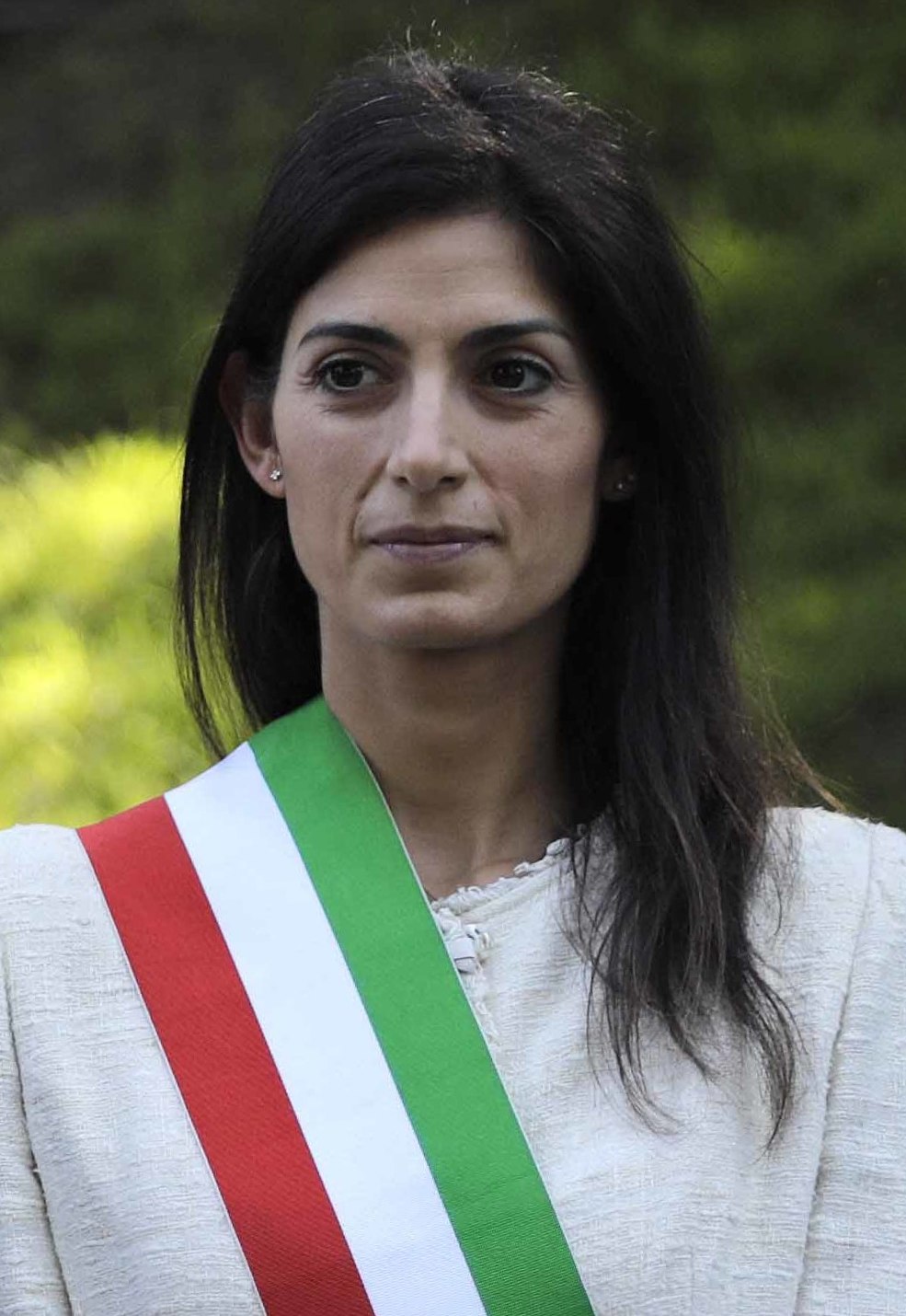
Virginia Raggi is a prominent figure in Italian politics, best known for her role as the first female mayor of Rome. Born on July 18, 1978, in Rome, she grew up in the San Giovanni-Appio Latino neighborhood. Her journey from a law student to the mayor of one of the most significant cities in the world is a story of perseverance, strategic thinking, and navigating the complex world of Italian politics. This article delves into the life and career of Virginia Raggi, offering detailed insights into her background, rise to fame, and the key milestones that have defined her public life.
Early Life and Education
Virginia Raggi’s roots are deeply embedded in the city of Rome, where she was born and raised. Her educational journey led her to the University of Roma Tre, where she earned a degree in law. Her specialization in civil law, with a focus on new technologies, intellectual property, and copyright law, set the foundation for her legal career. This expertise would later play a crucial role in her political life, as it equipped her with the knowledge and skills to navigate the legal complexities of governance.
Early Career and Legal Practice
Raggi’s early career was marked by her work in the legal field. In 2003, she began her legal apprenticeship at the law firm of Cesare Previti, a well-known figure in Italian legal and political circles. By 2007, she had established herself as a recognized expert, earning the title of “Cultore della Materia” at the University of Rome “Foro Italico.” This role highlighted her academic prowess and her ability to contribute to the academic discourse in her areas of specialization.
Entry into Politics: The Rise of a New Leader
Virginia Raggi’s political journey began in earnest in 2011 when she joined the Movimento 5 Stelle (Five Star Movement), a political party that has been a disruptive force in Italian politics. With the support of her husband, Andrea Severini, Raggi became actively involved in the party’s activities, contributing to the creation of the party’s group in Rome’s XIV Municipality. Her involvement in grassroots political activism laid the groundwork for her future political career.
Elected as Councilor of Rome
In 2013, Raggi’s political career took a significant leap forward when she was elected as a Councilor in the Rome City Council. She received 1,525 votes, a clear indication of her growing popularity within the city. During her tenure, she focused on issues related to social policies, health, culture, employment, and youth policies. Her work in these areas earned her a reputation as a dedicated and effective public servant, capable of addressing the needs of Rome’s diverse population.
The Path to Mayorship: A Historic Achievement
The year 2016 marked a turning point in Raggi’s career. On February 23, she was chosen by the members of the Movimento 5 Stelle as their candidate for the mayoral race in Rome. This selection process was conducted through an online vote, in which she received 45.5% of the votes, outpacing her closest competitor, Marcello De Vito, who garnered 34.7%. This victory was a testament to her popularity within the party and her appeal to the broader electorate.
Her candidacy came with significant responsibilities. Like other Movimento 5 Stelle candidates, Raggi signed a contract committing her to resign and pay a substantial penalty if she were to cause damage to the party’s image. Additionally, the contract required her to seek approval from the party’s leadership, including Beppe Grillo, for all major administrative decisions if elected.
Becoming the First Female Mayor of Rome
In June 2016, Virginia Raggi made history by becoming the first woman ever elected as the mayor of Rome. She won the runoff election with more than 67% of the vote, defeating high-profile candidates such as Roberto Giachetti, Giorgia Meloni, and Alfio Marchini. Her victory was seen as a significant milestone not only for her but also for the Movimento 5 Stelle, which had positioned itself as a challenger to the traditional political establishment in Italy.
Raggi’s tenure as mayor was marked by both achievements and challenges. As the leader of one of the world’s most iconic cities, she faced the daunting task of addressing Rome’s numerous issues, including its financial struggles, public transportation woes, and waste management problems. Her administration took steps to improve the city’s infrastructure, reduce corruption, and enhance the quality of life for its residents. However, her time in office was also characterized by controversies and criticism, particularly regarding her management of the city’s finances and public services.
The Challenges of Leadership
Leading a city as complex and historically significant as Rome is no easy feat. Raggi’s tenure as mayor was met with numerous challenges, from dealing with the city’s notorious bureaucracy to addressing the expectations of its citizens. Her administration faced criticism for its handling of certain issues, including waste management and public transportation. Despite these challenges, Raggi remained committed to her vision for the city, focusing on transparency, accountability, and sustainable development.
One of the key challenges Raggi faced was managing the city’s budget, which was burdened by debt and inefficiencies. Her efforts to streamline the city’s finances and improve fiscal responsibility were met with mixed reactions. Some praised her for taking on the difficult task of financial reform, while others criticized her for not achieving more significant results.
Raggi’s Legacy: A Mixed Record
Raggi’s tenure as mayor came to an end in October 2021, when she was succeeded by Roberto Gualtieri. Her legacy as Rome’s first female mayor is a mixed one, characterized by both notable accomplishments and unresolved challenges. On one hand, she broke the glass ceiling for women in Italian politics, serving as an inspiration for future generations of female leaders. On the other hand, her administration struggled to overcome some of the deep-rooted issues facing the city, leading to a divided public opinion on her effectiveness as a leader.
Despite the criticisms, Raggi’s impact on Rome and Italian politics cannot be understated. Her rise from a local councilor to the mayor of Rome is a testament to her determination and the support she garnered from the citizens of Rome. Her time in office highlighted the complexities of governing a city with such a rich history and the difficulties of implementing change in a challenging political environment.
Post-Mayoral Career: What’s Next for Virginia Raggi?
After her tenure as mayor, Virginia Raggi remains an influential figure in Italian politics. While she has stepped down from the role of mayor, she continues to be an active member of the Movimento 5 Stelle, contributing to the party’s strategies and future plans. Her experience as a leader in one of the world’s most challenging political environments has equipped her with valuable insights and expertise, which she is likely to use in her future endeavors.
In recent interviews, Raggi has expressed a desire to continue serving the public, whether in an official capacity or through other means. Her commitment to the principles of transparency, accountability, and public service remains strong, and she is expected to play a role in shaping the future of Italian politics.
Historical Context: The Significance of Raggi’s Mayorship
Virginia Raggi’s election as the first female mayor of Rome is significant not only because of the barriers it broke but also because of the broader context of Italian politics. Her rise to power coincided with a period of significant political upheaval in Italy, where traditional parties were being challenged by new movements like the Movimento 5 Stelle. Raggi’s victory was a reflection of the desire for change among the Italian electorate, particularly in a city like Rome, which had long been plagued by corruption and inefficiency.
Her mayorship also highlighted the evolving role of women in Italian politics. Although Italy has made strides in gender equality, it still lags behind other European countries in terms of female representation in leadership roles. Raggi’s success served as a catalyst for further discussions on the need for greater gender diversity in politics and the challenges women face in reaching top political positions.
Conclusion: Virginia Raggi’s Enduring Impact
Virginia Raggi’s life and career are a testament to the power of determination and the impact of grassroots political movements. Her journey from a lawyer in Rome to the city’s first female mayor is a remarkable story of breaking barriers and challenging the status quo. While her tenure as mayor may have been met with mixed reviews, there is no denying that she left an indelible mark on the city and its history.
As we look to the future, Virginia Raggi’s legacy will continue to inspire both supporters and critics alike. Her story is one of resilience, leadership, and the ongoing struggle to bring about meaningful change in a complex and often unforgiving political landscape.


