
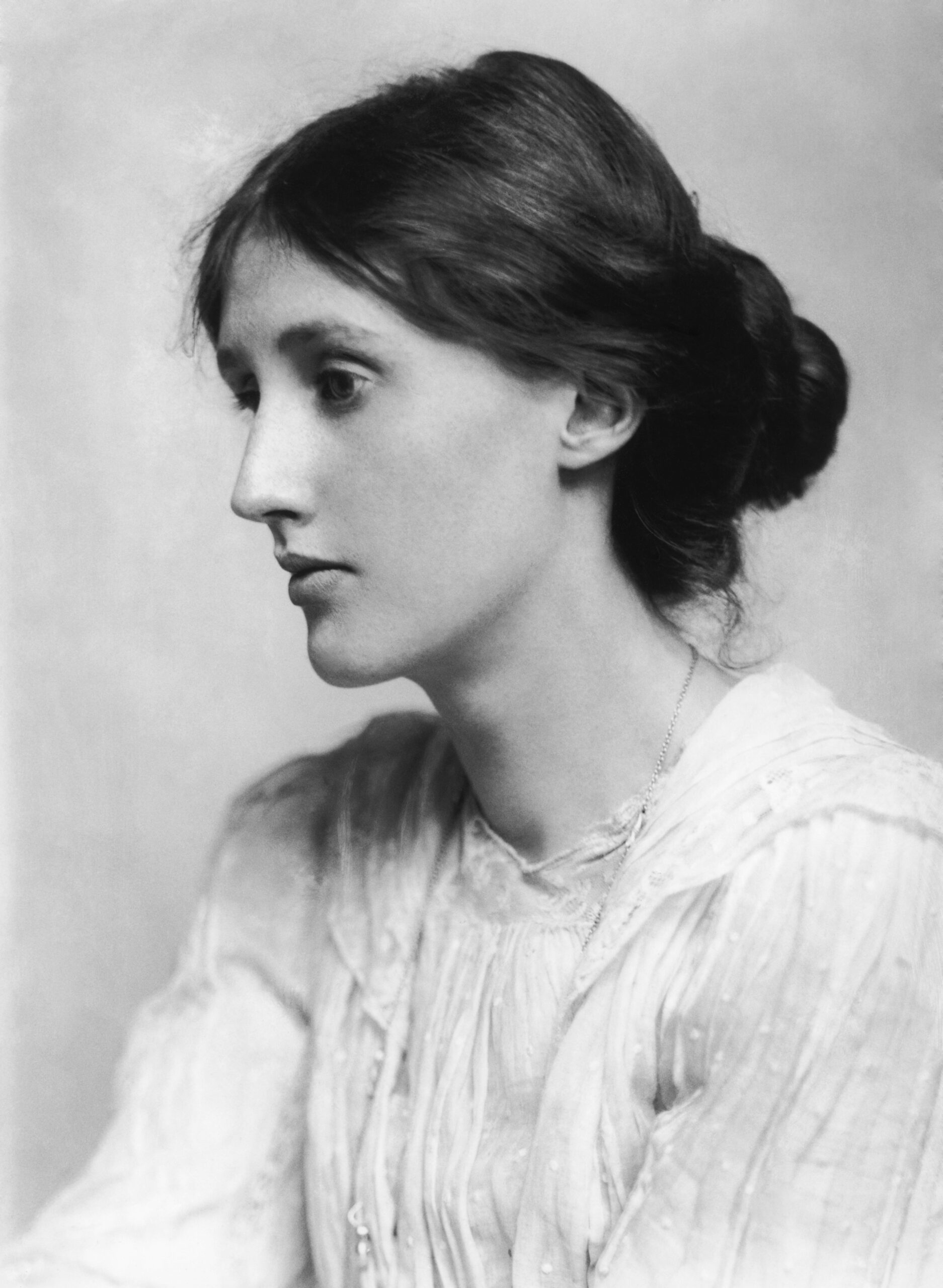
Virginia Woolf stands as one of the most significant literary figures of the 20th century, whose innovative narrative techniques and poignant exploration of the human psyche have left an indelible mark on literature. Born Adeline Virginia Stephen on January 25, 1882, in London, Woolf’s life was one of both remarkable literary achievement and profound personal struggle. Her work continues to be celebrated for its deep psychological insights, feminist themes, and experimental approaches to narrative structure. This article delves into the life of Virginia Woolf, examining her journey from a troubled childhood to her rise as a literary icon, the impact of her works, and the tragic end that punctuated her life.
Early Life and Family Background
Virginia Woolf was born into a well-connected and intellectually vibrant family. Her father, Sir Leslie Stephen, was a prominent author, historian, and critic, while her mother, Julia Prinsep Stephen, was a model and nurse with ties to the pre-Raphaelite circle. Growing up in such an environment, Woolf was exposed to the literary and artistic elite of the time, which undoubtedly influenced her future career.
Woolf’s education was unconventional, especially by today’s standards. While her brothers attended prestigious schools like Cambridge, Virginia and her sister, Vanessa, were educated at home. This difference in educational opportunities was a source of frustration for Woolf and would later influence her feminist views, particularly her arguments for women’s education and intellectual freedom.
From a young age, Woolf was exposed to literature, philosophy, and history, largely through her father’s vast library. However, her childhood was not without its traumas. At the age of six, she experienced the first of two significant events that would haunt her for the rest of her life: a sexual assault by one of her half-brothers. This traumatic experience, compounded by the death of her mother in 1895, when Woolf was just 13, led to the first of many psychological breakdowns.
The Bloomsbury Group and Early Literary Career
The early 20th century marked a period of profound change in Woolf’s life. Following the death of her father in 1904, Virginia and her siblings moved to the Bloomsbury area of London. This move heralded the formation of the Bloomsbury Group, a collective of writers, artists, and intellectuals who would come to dominate English cultural life for the next three decades.
The Bloomsbury Group included figures such as Lytton Strachey, John Maynard Keynes, E.M. Forster, and Woolf’s own sister, Vanessa Bell. The group was known for its rejection of Victorian norms and its embrace of modernist ideas in art, literature, and philosophy. These intellectual exchanges provided Woolf with a supportive environment in which to develop her ideas and hone her craft.
During this period, Woolf began to write in earnest, contributing essays and reviews to the Times Literary Supplement and working on her first novel. Her early work displayed her growing interest in narrative experimentation and the exploration of consciousness, themes that would come to define her mature fiction.
Marriage to Leonard Woolf and Founding of Hogarth Press
In 1912, Virginia Stephen married Leonard Woolf, a political theorist and writer who would become her most steadfast supporter. Leonard recognized Virginia’s literary genius and did everything in his power to support her work while also managing her increasingly severe mental health issues.
Together, the Woolfs founded the Hogarth Press in 1917, initially as a small operation run out of their home. The press quickly gained a reputation for publishing avant-garde and experimental literature, including works by T.S. Eliot, Katherine Mansfield, and Sigmund Freud. The Hogarth Press also published all of Virginia Woolf’s major works, giving her complete creative control over her publications.
Major Works and Literary Innovations
Virginia Woolf’s literary career truly blossomed in the 1920s, a decade that saw the publication of some of her most significant works. Her novels during this period pushed the boundaries of narrative form and explored the inner lives of her characters with a psychological depth that was unprecedented in English literature.
-
“Mrs. Dalloway” (1925): This novel is perhaps Woolf’s best-known work and a prime example of her stream-of-consciousness technique. Mrs. Dalloway follows a day in the life of Clarissa Dalloway, a London society woman preparing for a party. The narrative seamlessly weaves together Clarissa’s thoughts with those of other characters, particularly Septimus Warren Smith, a shell-shocked World War I veteran. The novel’s exploration of time, memory, and identity would influence countless writers and cement Woolf’s reputation as a leading modernist author.
-
“To the Lighthouse” (1927): Often considered Woolf’s masterpiece, To the Lighthouse is a deeply autobiographical novel that reflects on themes of family, loss, and artistic creation. The novel is set in the Ramsay family’s summer home and is divided into three parts, each of which represents different aspects of time and human experience. The novel’s innovative structure and profound emotional depth have made it a cornerstone of modernist literature.
-
“Orlando: A Biography” (1928): This novel is a playful and fantastical exploration of gender and identity, inspired by Woolf’s close friend and lover, Vita Sackville-West. Orlando follows its titular character through several centuries and transformations, including a change in sex from male to female. The novel is notable for its wit, imaginative scope, and its critique of rigid gender roles.
-
“A Room of One’s Own” (1929): Although not a novel, A Room of One’s Own is one of Woolf’s most influential works. Based on a series of lectures she delivered at women’s colleges at Cambridge University, the essay argues for the importance of financial independence and personal space for women writers. Woolf’s assertion that “a woman must have money and a room of her own if she is to write fiction” has become a rallying cry for feminist movements worldwide.
Personal Struggles and Mental Health
Despite her literary success, Virginia Woolf’s life was marked by recurrent bouts of mental illness. She suffered from what would likely now be diagnosed as bipolar disorder, characterized by periods of deep depression and manic episodes. These struggles were exacerbated by the pressures of her work, her troubled relationships, and the traumas she had endured in her youth.
Woolf experienced several breakdowns throughout her life, which often led to periods of hospitalization and rest. During these times, she was unable to write, which only added to her distress. Leonard Woolf remained a constant source of support, carefully managing her environment to minimize stress and protect her from further harm.
The onset of World War II and the subsequent bombing of London took a significant toll on Woolf’s mental health. Fearing another breakdown and feeling increasingly despondent about the future, Woolf struggled to find the strength to continue.
Final Years and Tragic Death
In March 1941, as the war raged on and her mental health deteriorated further, Virginia Woolf made the heartbreaking decision to end her life. On March 28, she filled her pockets with stones and walked into the River Ouse near her home in Sussex, where she drowned. Her body was discovered three weeks later.
In her final note to Leonard, she wrote of her love for him and her belief that she was “going mad again” and would not recover. Her death was a tragic loss to the literary world, but her legacy endures through her extraordinary body of work.
Legacy and Influence
Virginia Woolf’s impact on literature and feminist thought cannot be overstated. Her novels, essays, and letters continue to be studied and celebrated for their profound insights into human psychology, their innovative narrative techniques, and their exploration of gender and identity.
Woolf’s work laid the groundwork for countless writers who followed in her footsteps, from modernist contemporaries like James Joyce and William Faulkner to later feminist authors such as Sylvia Plath and Margaret Atwood. Her exploration of the inner lives of women, in particular, has resonated with generations of readers and writers, making her a central figure in both literary and feminist canons.
Woolf’s influence extends beyond literature. Her work has inspired artists, filmmakers, and theorists who have drawn on her themes of memory, identity, and the fluidity of time. The Bloomsbury Group, with Woolf as one of its central figures, also played a crucial role in shaping modernist art and thought.
Conclusion: The Enduring Power of Woolf’s Vision
Virginia Woolf’s life was a tapestry of brilliance and tragedy. Her struggles with mental illness and the societal constraints of her time were profound, yet she channeled these experiences into works of literature that continue to resonate today. Woolf’s novels, essays, and diaries offer a window into the complexities of the human mind and the challenges faced by women in a patriarchal society.
As we reflect on Woolf’s contributions, it becomes clear that her work was not only a product of its time but also a timeless exploration of themes that remain relevant today. Woolf’s emphasis on the importance of personal space and financial independence for creative women, her innovative narrative techniques, and her deep psychological insights ensure that her legacy will endure for generations to come.
In the end, Virginia Woolf’s life and work remind us of the power of literature to illuminate the darkest corners of the human experience and to offer solace, understanding, and a sense of connection across time and space.


