
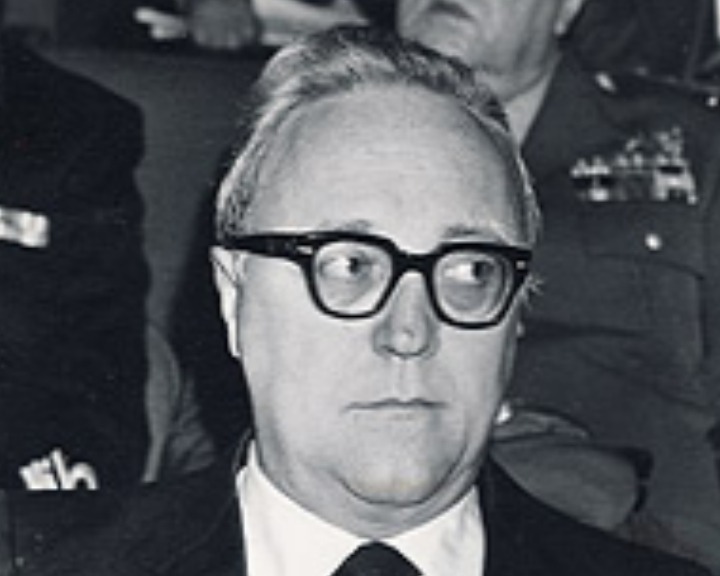
Vittorio Bachelet, an esteemed Italian jurist and academic, is a figure of significant influence in the realms of law, politics, and academia. Known for his dedication to the principles of democracy and social justice, Bachelet’s contributions have left a lasting impact on Italian society. This article delves into Vittorio Bachelet’s age, fame, and life highlights, providing detailed insights and explanations about his remarkable journey and enduring legacy.
Early Life and Education
Vittorio Bachelet was born on February 20, 1926, in Rome, Italy. Growing up in a city rich with historical and cultural significance, Bachelet was immersed in an environment that valued intellectual pursuits and civic responsibility. His early education was marked by academic excellence, and he demonstrated a keen interest in law and social sciences from a young age.
Bachelet pursued higher education at the Sapienza University of Rome, where he studied law. His academic journey at Sapienza was distinguished by his deep engagement with legal theory and his commitment to understanding the social dimensions of law. This period of intensive study laid the foundation for his future career as a jurist and academic.
Academic Career and Contributions
After completing his law degree, Bachelet embarked on an academic career that would see him become one of Italy’s most respected legal scholars. He began as a professor of administrative law at the University of Pavia, where he was known for his rigorous approach to teaching and his ability to inspire students.
Bachelet’s academic work focused on administrative law, public administration, and the interplay between law and society. His scholarly contributions were characterized by a commitment to exploring how legal frameworks could promote social justice and democratic governance. His writings and lectures often emphasized the importance of integrity, transparency, and accountability in public administration.
Political Involvement and Leadership
In addition to his academic career, Vittorio Bachelet was deeply involved in Italian politics. He was a prominent member of the Christian Democracy party (Democrazia Cristiana, DC), which played a significant role in post-World War II Italian politics. Bachelet’s political philosophy was grounded in the principles of social justice, human dignity, and democratic governance.
Bachelet’s political career included serving as a member of the National Council of the Christian Democracy party and holding various leadership positions within the party. His work in politics was marked by his efforts to bridge the gap between academia and practical governance, advocating for policies that reflected the values of social equity and democratic participation.
Presidency of Italian Catholic Action
One of the most notable aspects of Bachelet’s career was his leadership of Italian Catholic Action (Azione Cattolica Italiana), a lay Catholic organization dedicated to promoting the social teachings of the Catholic Church. He served as president of the organization from 1964 to 1973, a period during which he worked tirelessly to engage Catholics in social and political activism.
Under Bachelet’s leadership, Italian Catholic Action became a significant force for social change in Italy. He emphasized the importance of lay participation in the Church’s mission and encouraged members to take an active role in addressing social injustices. His leadership helped to modernize the organization and expand its influence within Italian society.
Personal Life and Values
Vittorio Bachelet’s personal life was deeply intertwined with his professional and political activities. He was married to Maria Teresa Lanfranchi, and they had two children, Giovanni and Maria Grazia. His family life was marked by a strong commitment to the values of faith, education, and service to others.
Bachelet’s personal values were reflected in his professional work and political activism. He was known for his integrity, humility, and dedication to the common good. His approach to life and work was characterized by a deep sense of responsibility to his community and a commitment to making a positive impact on society.
Tragic Assassination
Tragically, Vittorio Bachelet’s life was cut short on February 12, 1980, when he was assassinated by members of the Red Brigades (Brigate Rosse), a left-wing terrorist organization active in Italy during the 1970s and 1980s. Bachelet was shot while leaving a lecture hall at La Sapienza University in Rome, where he was serving as a professor.
The assassination of Bachelet was a devastating loss for Italy and a stark reminder of the violent political climate of the time. His death was widely mourned, and he was remembered as a martyr for democracy and social justice. The impact of his assassination resonated deeply within Italian society, prompting renewed calls for peace and reconciliation.
Legacy and Impact
Despite his untimely death, Vittorio Bachelet’s legacy continues to inspire and influence. His contributions to law, politics, and social activism have left an indelible mark on Italian society. Bachelet’s work in promoting democratic principles and social justice remains relevant today, serving as a guiding light for those committed to these ideals.
Bachelet’s legacy is honored through various initiatives and institutions that bear his name. The Vittorio Bachelet Institute for Legal Studies and Research, for example, continues to advance his commitment to legal scholarship and public service. Additionally, numerous awards and scholarships have been established in his memory to support young scholars and activists dedicated to social justice.
Historical Context and Nuances
Understanding Vittorio Bachelet’s contributions requires a consideration of the broader historical and political context of his time. Italy in the mid-20th century was a nation grappling with the challenges of post-war reconstruction, economic development, and political instability. The rise of extremist political groups and the social upheavals of the 1960s and 1970s created a complex and often volatile environment.
Bachelet’s work in this context was characterized by a steadfast commitment to democratic principles and social justice. His efforts to promote integrity and accountability in public administration were particularly significant in a time when corruption and political violence were prevalent. His leadership in Italian Catholic Action reflected his belief in the power of civic engagement and the importance of addressing social inequalities.
Modern Relevance and Continuing Influence
Vittorio Bachelet’s work remains highly relevant in today’s world. His insights into the importance of democratic governance, social justice, and civic responsibility continue to resonate with scholars, policymakers, and activists. His legacy serves as a reminder of the enduring importance of these values in promoting a just and equitable society.
In contemporary discussions on governance and public administration, Bachelet’s emphasis on integrity and accountability remains crucial. His ideas about the role of law in promoting social justice continue to inform legal scholarship and public policy. Moreover, his leadership in promoting active civic engagement and social activism offers valuable lessons for those seeking to address contemporary social challenges.
Conclusion
Vittorio Bachelet’s life and work are a testament to his extraordinary dedication to the principles of democracy, social justice, and civic responsibility. From his early days as a law student to his rise as a prominent jurist, academic, and political leader, Bachelet’s journey is marked by significant achievements and an enduring impact on Italian society. His ability to blend scholarly rigor with a deep commitment to social activism has left a lasting legacy that continues to inspire and guide.
As we reflect on Vittorio Bachelet’s contributions, it is clear that his work extends far beyond his academic writings and political engagements. He has touched the lives of countless individuals through his commitment to justice and his dedication to the common good. His legacy is one of integrity, resilience, and a profound belief in the power of civic engagement to create a better world.
Vittorio Bachelet’s influence on contemporary thought and practice in law, politics, and social activism is profound and enduring. His teachings and actions continue to inspire new generations of scholars, activists, and leaders who share his vision of a just and democratic society. As we celebrate his life and achievements, we are reminded of the enduring relevance of his work and the transformative power of his ideas.


