
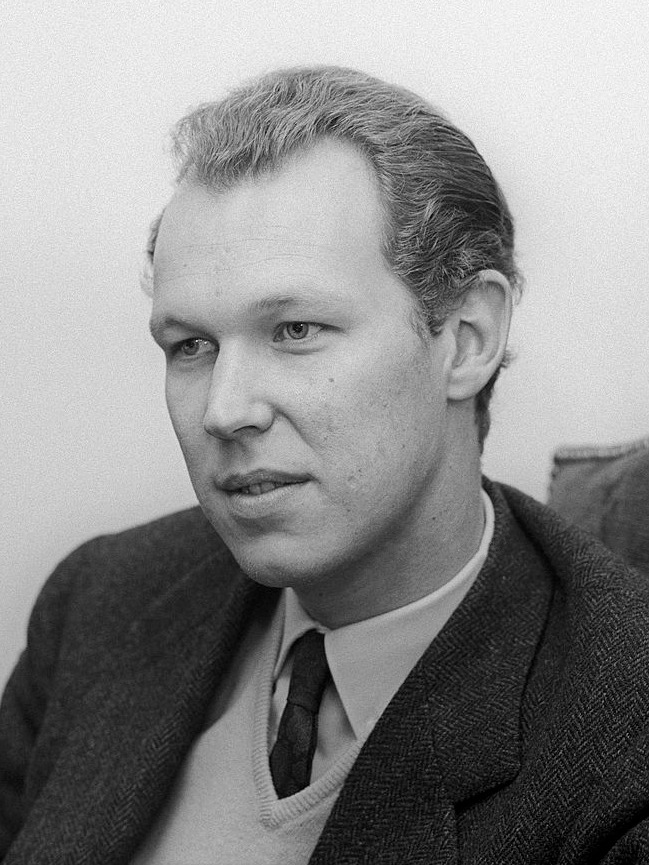
Vittorio Emanuele di Savoia, born on February 12, 1937, in Naples, Italy, is a figure whose life and legacy are deeply intertwined with the history and fate of the Italian monarchy. He is the only son of the last King of Italy, Umberto II, and Queen Maria José of Belgium. His full name, Vittorio Emanuele Alberto Carlo Teodoro Umberto Bonifacio Amedeo Damiano Bernardino Gennaro Maria, reflects the grandeur of his royal heritage. Despite his noble lineage, Vittorio Emanuele’s life has been marked by controversy, legal battles, and a struggle for recognition within the remnants of the Italian royal family.
Early Life and Marriage
Vittorio Emanuele grew up in the shadow of Italy’s shifting political landscape. His father, King Umberto II, ruled for a brief 34 days in 1946 before the Italian monarchy was abolished following a referendum, leading to the family’s exile. Vittorio Emanuele spent much of his early life in Switzerland, where he lived with his family in a form of gilded exile, surrounded by the remnants of a fallen monarchy.
In 1970, Vittorio Emanuele married Marina Ricolfi Doria, a former champion swimmer and tennis player. The civil ceremony took place in Las Vegas, an unusual location for a royal wedding, highlighting the couple’s unconventional approach to their royal status. The religious ceremony followed nearly two years later in Tehran, Iran. This marriage was a point of contention within the royal family, particularly with Vittorio Emanuele’s father, who disapproved of Marina’s non-noble origins.
The couple’s only son, Emanuele Filiberto, was born in 1972. Emanuele Filiberto has since become a prominent figure in his own right, often representing the House of Savoy in various public appearances and media ventures.
The Rivalry Within the House of Savoy
Vittorio Emanuele’s claim to the headship of the House of Savoy has been a source of controversy and division. The royal family has been split between those who recognize Vittorio Emanuele and those who support his cousin, Amedeo di Savoia-Aosta. This rivalry is not just a matter of titles and recognition; it has deep historical roots. Amedeo’s father reportedly had ties with the Nazi regime during World War II, aiming to establish a pro-Nazi monarchy in Italy. This dark chapter in the family’s history has fueled animosity between the two branches of the family, leading to a long-standing feud that even turned physical at the 2004 wedding of Felipe VI of Spain, where Vittorio Emanuele and Amedeo reportedly came to blows.
Return to Italy and Legal Troubles
For decades, the Italian Constitution barred male heirs of the House of Savoy from entering Italy. This law was finally repealed in 2002, allowing Vittorio Emanuele to return to his homeland after more than 50 years in exile. However, his return did not mark a triumphant homecoming. Instead, it was overshadowed by his controversial past and continued involvement in legal battles.
One of the most notorious incidents in Vittorio Emanuele’s life occurred in 1978 on the Island of Cavallo, Corsica. During a heated argument with billionaire Nicky Pende, Vittorio Emanuele, under the influence of alcohol, fired several shots from a rifle. Tragically, one of the shots struck Dirk Geerd Hamer, a 19-year-old German student who was sleeping on a nearby boat. Hamer died after a prolonged period of suffering in December of that year. Vittorio Emanuele was charged with voluntary manslaughter but was ultimately acquitted by a Parisian court in 1991. He was, however, convicted of illegal possession of firearms and received a six-month suspended sentence.
Vittorio Emanuele’s legal troubles did not end there. In the 1970s, he was investigated for international arms trafficking, although these charges were eventually dropped due to insufficient evidence. In 2006, he faced another major scandal when he was arrested on charges of criminal association, corruption, and involvement in prostitution-related activities. The arrest, which took place in Campione d’Italia, a town famous for its casino, was part of a broader investigation led by Italian prosecutor Henry John Woodcock. Although Vittorio Emanuele was later cleared of all charges, the incident further tarnished his reputation and solidified his image as a controversial and troubled figure.
A Legacy of Controversy and Scandal
Vittorio Emanuele di Savoia’s life has been anything but ordinary. From his birth as the heir to a throne that no longer exists, to his struggles for recognition within a divided royal family, and his involvement in multiple legal scandals, his story is a complex and often tragic one. Despite his royal lineage, Vittorio Emanuele has often found himself at odds with both the public and his own family.
One of the most damaging episodes in his public life occurred in 1997 when he refused to apologize for the role of his family in endorsing Italy’s racial laws during World War II. In a television interview, he downplayed the significance of these laws, stating, “I wasn’t born yet,” and shockingly adding that the laws “weren’t that terrible.” This statement sparked outrage and further alienated him from the Italian public. It wasn’t until 2002 that Vittorio Emanuele officially distanced himself from these laws, issuing a statement from Geneva—the first time in the history of the House of Savoy that such an apology had been made.
Death and Reflection
Vittorio Emanuele di Savoia passed away on February 3, 2024, in Geneva, Switzerland, at the age of 86. His death marks the end of a turbulent chapter in the history of the Italian royal family. While some may remember him for his royal lineage, others will recall the scandals and controversies that marred his life. His legacy is a reminder of the complex and often fraught relationship between royalty and modern society, where the privileges of birth can be both a blessing and a curse.
As historians and the public reflect on Vittorio Emanuele’s life, it is clear that his story is one of a man caught between two worlds: the old world of European royalty and the new world of democratic republics. His life was shaped by the dramatic changes that swept through Italy in the mid-20th century, and his struggles reflect the broader challenges faced by monarchies in the modern era.
In conclusion, Vittorio Emanuele di Savoia’s life is a rich tapestry of historical significance, personal tragedy, and public scandal. His story serves as a fascinating case study of the decline of European monarchies and the complex legacies they leave behind. While his death closes one chapter, the debates and discussions about his life and legacy will likely continue for years to come, as historians and the public alike grapple with the meaning of royalty in the modern world.


