
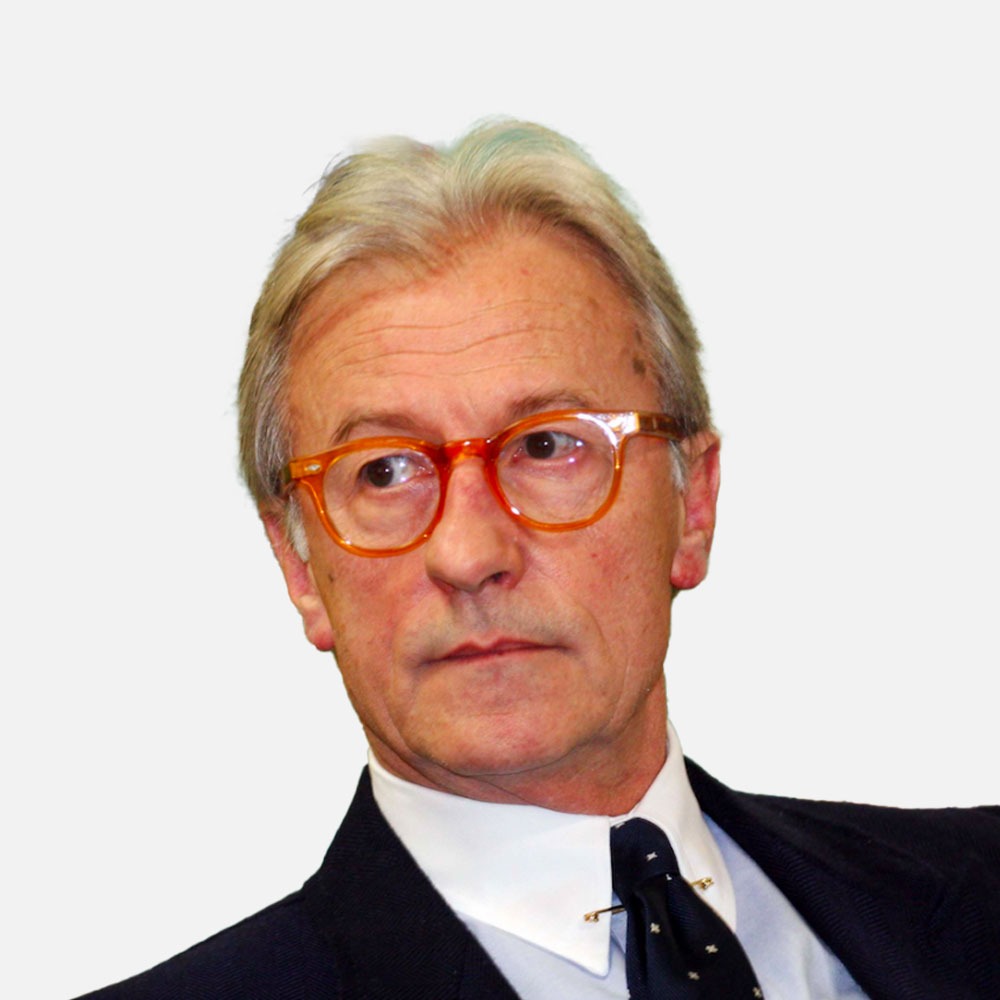
Vittorio Feltri is a prominent Italian journalist and editor, known for his provocative style and significant influence in the Italian media landscape. Born on June 25, 1943, in Bergamo, Italy, Feltri’s career has been marked by both controversy and success, as he has led several major national newspapers to new heights while also attracting criticism for his unapologetically bold editorial choices. This article explores the life, career, and impact of Vittorio Feltri, delving into his early years, rise to fame, and the legacy he continues to shape.
Early Life and Entry into Journalism
Vittorio Feltri was born into a modest family in Bergamo, a city in northern Italy. His early life was typical of many young Italians of the time, marked by a focus on hard work and self-reliance. At the age of 14, Feltri began working as a delivery boy for a local glassware company, an experience that instilled in him a strong work ethic.
Despite his early start in the workforce, Feltri’s true calling was in journalism. In 1962, at the age of 19, he began his journalistic career with “L’Eco di Bergamo,” a local newspaper where he initially wrote film reviews. This was a significant turning point for Feltri, as it marked the beginning of a lifelong passion for journalism. His talent and dedication soon led him to Milan, where he completed his apprenticeship at “La Notte,” a popular evening newspaper.
Feltri’s early years in journalism were formative, providing him with the skills and experience that would later define his career. His work at “La Notte” and other publications allowed him to develop a sharp, incisive writing style, characterized by a willingness to tackle controversial subjects head-on. This approach would become a hallmark of Feltri’s editorial leadership in the years to come.
Rise to Prominence in the 1970s and 1980s
In 1974, Feltri was recruited by Gino Palumbo to join the editorial team of “Corriere d’Informazione,” a newspaper under the same umbrella as “Corriere della Sera,” one of Italy’s most prestigious dailies. This was a significant step up in Feltri’s career, as it provided him with a platform to reach a broader audience.
By 1977, Feltri was working directly for “Corriere della Sera” under the direction of Piero Ottone, one of Italy’s most respected journalists. This period was crucial in establishing Feltri’s reputation as a formidable editor and writer. His work at “Corriere della Sera” and its affiliated publications demonstrated his ability to manage and contribute to high-profile news stories, further solidifying his position in the Italian media landscape.
In 1983, Feltri briefly took on the role of director at “Bergamo Oggi,” a local newspaper. However, he soon returned to “Corriere della Sera” under the new director, Piero Ostellino, where he continued to work until 1989. This year marked a turning point in Feltri’s career, as he was appointed director of the weekly magazine “L’Europeo.”
The 1990s: A Decade of Success and Controversy
The 1990s were a defining decade for Vittorio Feltri, marked by both tremendous success and significant controversy. His tenure as director of “L’Europeo” from 1989 to 1992 was characterized by bold editorial decisions and a significant increase in circulation, as the magazine’s readership grew from 78,000 to 140,000 under his leadership. Feltri’s approach was unorthodox, often pushing the boundaries of conventional journalism, which drew both praise and criticism.
During this period, Italy was rocked by the “Mani Pulite” (Clean Hands) investigations, a nationwide judicial inquiry into political corruption. Feltri, sensing the public’s growing disillusionment with the political class, took the helm of “L’Indipendente” in 1992. Under his direction, the newspaper became a vocal supporter of the Milan Pool, the group of magistrates leading the corruption investigations, and Feltri’s editorial stance resonated with the public. The paper’s circulation soared to over 120,000 copies, making “L’Indipendente” a significant player in Italian journalism.
Feltri’s success at “L’Indipendente” caught the attention of Silvio Berlusconi, Italy’s media mogul and future Prime Minister. In 1994, following the departure of Indro Montanelli, Feltri was appointed director of “Il Giornale,” a newspaper owned by Berlusconi’s brother Paolo. During his four-year tenure, Feltri nearly doubled the paper’s circulation, reaching 250,000 copies. However, his aggressive editorial style, which often included harsh criticism of political figures and institutions, led to numerous lawsuits and defamation charges.
One of the most notable controversies during Feltri’s time at “Il Giornale” involved Antonio Di Pietro, a key figure in the “Mani Pulite” investigations. Feltri and journalist Gianluigi Nuzzi were initially convicted of defamation against Di Pietro, though the conviction was later overturned on appeal. Despite these legal challenges, Feltri’s tenure at “Il Giornale” solidified his reputation as one of Italy’s most influential and contentious journalists.
Founding “Libero” and Continued Influence in the 2000s
In 2000, Vittorio Feltri founded “Libero,” a daily newspaper with a distinctly conservative and liberal editorial stance. “Libero” quickly became a prominent voice in Italian media, known for its outspoken criticism of the political establishment and its provocative headlines. Feltri’s leadership as both editor and publisher allowed him to shape the newspaper’s content according to his vision, attracting a dedicated readership that appreciated his uncompromising approach.
Under Feltri’s direction, “Libero” grew rapidly, with circulation numbers rising from 70,000 to 220,000 within a few years. The newspaper became known for its fearless critique of both the left and the right, reflecting Feltri’s commitment to journalistic independence. However, this period also saw Feltri embroiled in numerous controversies, including a significant one in 2000 when he was expelled from the Order of Journalists in Lombardy after publishing a report on pedophilia that was deemed to be in violation of journalistic ethics. The decision was later overturned by the Rome Order of Journalists, reducing the penalty to censure.
Feltri continued to face legal challenges during his time at “Libero.” In 2003, he and journalist Paolo Giordano were convicted of defamation in connection with an interview that allegedly misrepresented the views of singer Francesco De Gregori regarding the former Communist leader Palmiro Togliatti. Feltri also faced a prison sentence in 2006 for defaming Senator Gerardo Chiaromonte in connection with the Mitrokhin dossier, although he continued to lead “Libero” and maintain his influence in Italian journalism.
Throughout the 2000s, Feltri authored several books, often collaborating with fellow journalists and politicians. His publications, including “Cento anni della nostra vita visti da Vittorio Feltri 1905-2004” and “I presidenti d’Italia,” provided insights into his views on Italian politics and history, further cementing his role as a significant public intellectual.
Return to “Il Giornale” and Later Career
In 2009, Vittorio Feltri returned to “Il Giornale,” taking over as director once again. His second tenure at the newspaper was marked by aggressive campaigns, including a high-profile attack on Dino Boffo, the director of the Catholic newspaper “L’Avvenire,” which led to Boffo’s resignation. The campaign, however, sparked considerable backlash, and in 2010, Feltri was suspended from the Order of Journalists in Lombardy for six months due to the Boffo case.
Feltri eventually stepped down as director of “Il Giornale” in 2010, taking on the role of editorial director while Alessandro Sallusti assumed the directorship. Despite the controversies surrounding his return, Feltri continued to be a significant force in Italian journalism, influencing public opinion through his editorials and public appearances.
In 2010, Feltri also published “Il vittorioso,” a memoir co-written with Stefano Lorenzetto, which recounted his career and provided an insider’s view of the Italian media industry. The book was well-received, further solidifying Feltri’s status as one of Italy’s most influential journalists.
Political Involvement and Later Years
Vittorio Feltri’s influence extended beyond journalism into the political arena. In 2020, on his 77th birthday, Feltri resigned from the Order of Journalists, a move that signaled his increasing focus on political activities. Shortly thereafter, he joined the right-wing party Fratelli d’Italia, led by Giorgia Meloni, and was elected to the Milan City Council in the 2021 elections. However, due to health reasons, Feltri resigned from his council position after just seven months.
In 2023, Feltri ran as the lead candidate for Fratelli d’Italia in the Lombardy regional elections, supporting the re-election of incumbent President Attilio Fontana. Feltri’s candidacy was successful, and he was elected with over 6,000 votes, demonstrating his enduring popularity and influence in Italian politics.
In the same year, Feltri published his latest book, “Fascisti della parola,” a critique of contemporary language and the rise of political correctness. The book, like much of Feltri’s work, sparked debate and underscored his continued relevance as a commentator on Italian society and politics.
Conclusion
Vittorio Feltri’s career is a testament to his resilience, ambition, and commitment to his vision of journalism. From his early days as a film reviewer in Bergamo to his leadership of major Italian newspapers, Feltri has consistently challenged the status quo, often at great personal and professional risk. His willingness to tackle controversial issues and his unapologetic editorial style have made him one of Italy’s most influential and polarizing figures in journalism.
As a journalist, editor, author, and politician, Feltri has left an indelible mark on Italian public life. His career has been marked by significant achievements and controversies, reflecting the complex nature of his influence. Whether admired or criticized, Vittorio Feltri remains a pivotal figure in Italian media, whose impact will continue to be felt for years to come.


