
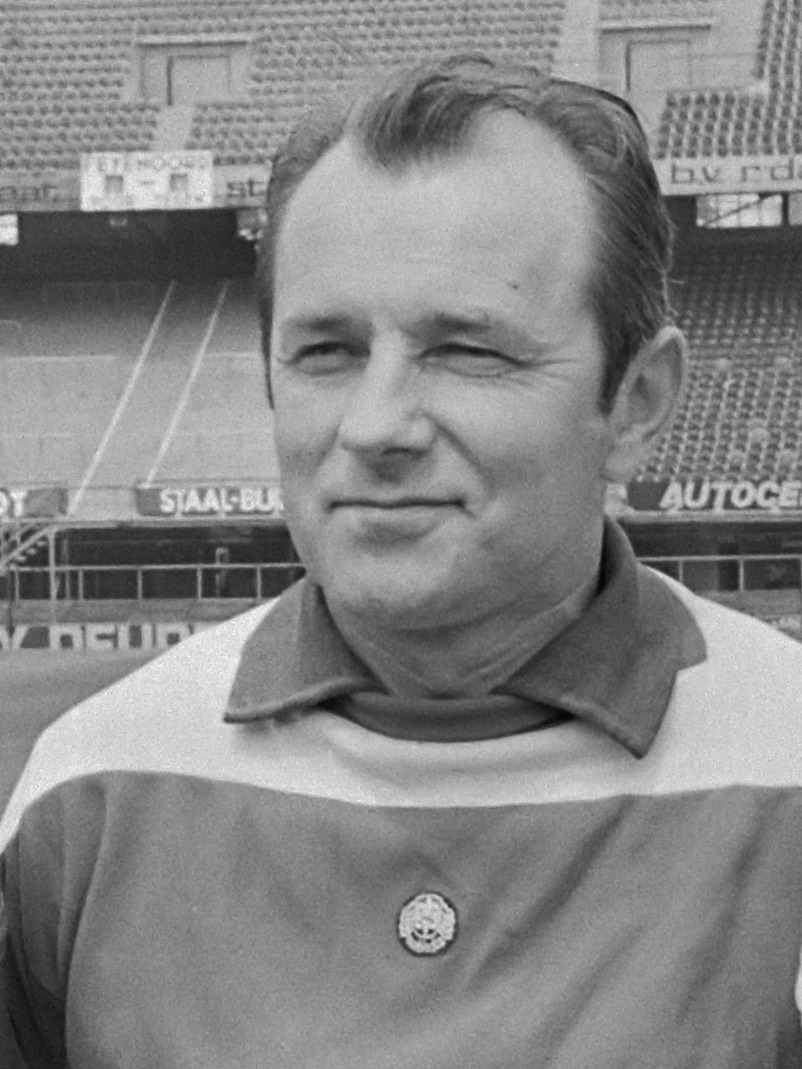
Vujadin Boskov, a renowned Serbian footballer and coach, left an indelible mark on the world of football through his contributions both on and off the field. Born on May 16, 1931, in Begec, Vojvodina, Serbia, Boskov’s journey from a promising young player to a celebrated coach is a testament to his passion, dedication, and profound understanding of the game. This comprehensive exploration delves into his early life, playing career, coaching achievements, and his enduring legacy in football.
Early Life and Playing Career
Vujadin Boskov was born in Begec, a small village in the autonomous province of Vojvodina, Serbia. His love for football was evident from a young age, and he began his professional career with Vojvodina Novi Sad in 1946. Over the next 14 years, Boskov established himself as a talented midfielder, known for his intelligence on the field and his ability to read the game. Despite his individual brilliance, Vojvodina struggled to compete with the dominant forces in Yugoslav football at the time, such as Red Star Belgrade, Partizan, and Hajduk Split.
Boskov’s technical skills and leadership qualities earned him the nickname “Professor” among his teammates. His performances for Vojvodina did not go unnoticed, and he was capped 57 times for the Yugoslav national team. He represented his country in the 1952 Helsinki Olympics, where Yugoslavia won a silver medal, and in two FIFA World Cup tournaments. In the mid-1950s, Boskov was selected for the “Rest of Europe” team, a prestigious honor that recognized the best players on the continent.
Transition to International Club Football
At the age of 30, Boskov was legally permitted to join foreign clubs, as per the regulations of the Yugoslav Football Federation. In 1961, he signed with Italian club Sampdoria, bringing his wealth of experience and footballing acumen to Serie A. Although his tenure at Sampdoria was brief due to injuries, he left a lasting impression on Italian football.
After his stint in Italy, Boskov moved to Switzerland, where he played for Young Boys and later transitioned into a coaching role. This marked the beginning of his illustrious career as a football manager, where he would achieve significant success and gain widespread recognition.
Coaching Career: Early Years and Success in Europe
Boskov’s coaching career began with Young Boys in Switzerland, where he quickly demonstrated his tactical prowess and ability to motivate players. His success with Young Boys paved the way for a return to Vojvodina, where he took charge of the team and led them to notable achievements.
In the late 1970s, Boskov expanded his horizons by coaching in various European leagues. He managed Den Haag and Feyenoord in the Netherlands, where his innovative tactics and emphasis on disciplined play earned him accolades. His stint in Spain saw him managing Real Zaragoza, Real Madrid, and Sporting Gijon. With Real Madrid, Boskov won La Liga in 1979–1980 and reached the final of the European Cup in 1981, narrowly losing to Liverpool.
Triumphs in Italy
Vujadin Boskov is perhaps best known for his remarkable success in Italy, particularly with Sampdoria. Taking over as head coach in the late 1980s, Boskov transformed Sampdoria into one of the most formidable teams in Serie A. Under his guidance, the club won their first-ever Scudetto in the 1990–1991 season. This historic achievement was complemented by victories in the Coppa Italia and the European Cup Winners’ Cup.
Boskov’s tenure at Sampdoria also saw the team reach the final of the European Cup (now the UEFA Champions League) in 1992. Despite a narrow defeat to Barcelona, his tactical acumen and leadership were widely praised. Boskov’s ability to blend experienced players with emerging talents like Gianluca Vialli and Roberto Mancini was instrumental in Sampdoria’s success.
Later Coaching Career and International Management
After his successful period with Sampdoria, Boskov continued to coach in Italy, managing AS Roma, Napoli, and Perugia. His experience and tactical knowledge made him a sought-after coach, and he also had a stint with Servette in Switzerland.
In the late 1990s, Boskov returned to international management, taking charge of the newly formed Serbia and Montenegro national team. His tenure from 1999 to 2001 was marked by efforts to rebuild the team during a challenging period for the country. Although he did not achieve significant success, his leadership and experience were invaluable in guiding young players and fostering a new generation of football talent.
Legacy and Famous Quotes
Vujadin Boskov is remembered not only for his achievements but also for his wit and wisdom. He had a knack for delivering memorable quotes that encapsulated his philosophy on football and life. Phrases like “The match is over when the referee blows the whistle” and “Penalty is when the referee blows the whistle” reflect his straightforward and pragmatic approach to the game. These quotes have become part of football folklore and are often cited by players, coaches, and fans alike.
Boskov’s legacy is also preserved through his contributions to football education. He was a lecturer at the Coverciano coaching school in Italy, where he shared his insights and knowledge with aspiring coaches. His influence on the development of coaching techniques and football strategy continues to be felt today.
Personal Life and Final Years
Vujadin Boskov’s personal life was marked by his dedication to football and his deep love for the sport. He was known for his humility, kindness, and the respect he showed to everyone he encountered. Despite his success, he remained grounded and committed to the values that guided him throughout his career.
Boskov passed away on April 27, 2014, in his hometown of Begec, Serbia, after a long illness. His death was mourned by the football community, and tributes poured in from around the world, reflecting the high regard in which he was held.
Conclusion
Vujadin Boskov’s journey from a talented young footballer in Serbia to a revered coach in Europe is a story of passion, dedication, and excellence. His contributions to football, both as a player and a coach, have left a lasting legacy that continues to inspire future generations. Boskov’s achievements with Sampdoria, his success with Real Madrid, and his impact on the international stage are testaments to his skill and vision.
Boskov’s legacy is not only in the trophies he won but also in the lives he touched and the wisdom he imparted. His memorable quotes and pragmatic approach to the game have become part of football’s rich tapestry. As we reflect on his life and career, it is clear that Vujadin Boskov’s influence on football will endure for many years to come.


