
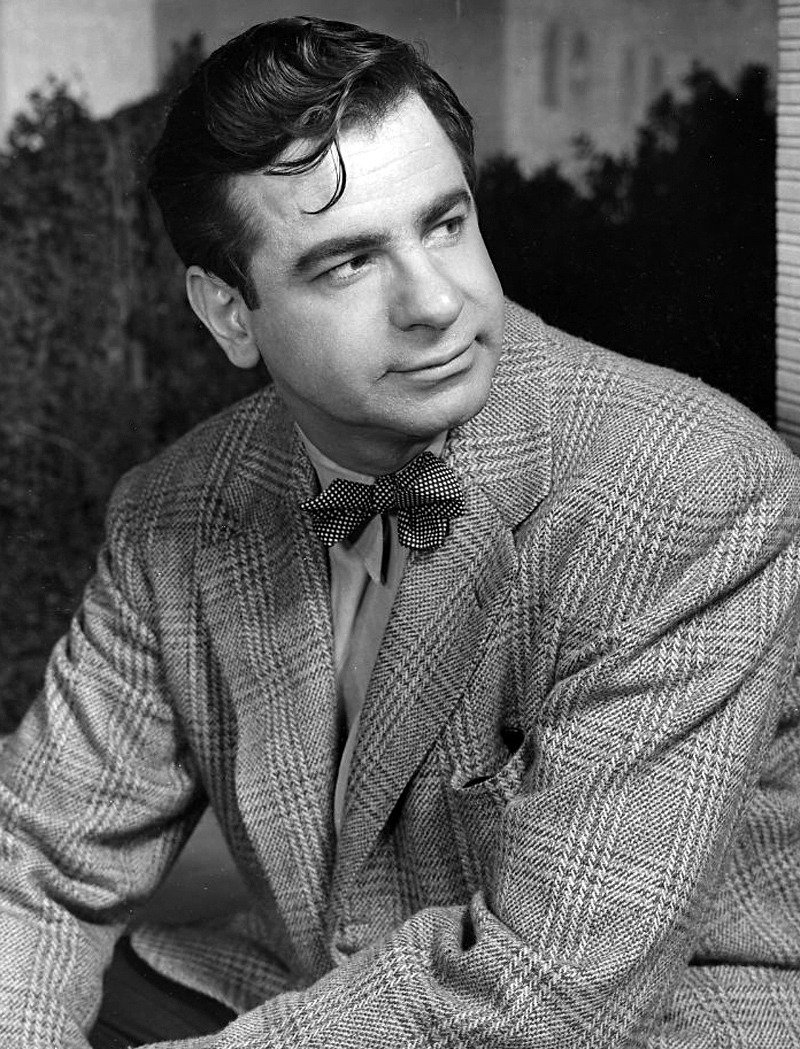
Walter Matthau, born Walter John Matthow on October 1, 1920, in New York City, is an enduring figure in the annals of Hollywood. Known for his impeccable comedic timing, distinctive appearance, and versatile acting range, Matthau’s career spanned over five decades, during which he became a beloved figure in American cinema. This detailed exploration of his life and career delves into the nuances of his rise to fame, his significant achievements, and the legacy he left behind.
Early Life and Background
Walter Matthau was born into a modest family of Russian-Jewish immigrants in the Lower East Side of Manhattan, an area known for its dense immigrant population and vibrant cultural life. His parents, impoverished but hardworking, provided a strong foundation for Matthau’s future, instilling in him the values of perseverance and resilience.
Matthau’s early life was shaped by the bustling, multicultural environment of New York City, where he developed a deep appreciation for theater and performance. He began acting at a young age, participating in productions at the Yiddish Theater on Second Avenue. These early experiences honed his craft and fueled his passion for acting.
However, the outbreak of World War II interrupted his burgeoning career. Matthau enlisted in the U.S. Army Air Corps, where he served as a radioman-gunner in the European theater. The war years were challenging, but Matthau’s sharp wit and sense of humor helped him endure the hardships of military service. After the war, he returned to New York, determined to pursue a career in acting.
The Early Career: Broadway and Hollywood Beginnings
Upon returning from the war, Matthau enrolled in the Dramatic Workshop of The New School in New York City, where he studied under renowned director Erwin Piscator. His training there was instrumental in shaping his approach to acting, emphasizing the importance of realism and emotional depth.
Matthau’s early career was rooted in the theater. He made his Broadway debut in 1948 in the production of Anne of the Thousand Days, where his performance earned critical acclaim. Throughout the 1950s, Matthau continued to build his reputation on Broadway, appearing in a series of successful plays, including Will Success Spoil Rock Hunter? (1955) and A Shot in the Dark (1961). These performances showcased his ability to blend humor with subtlety, a hallmark of his acting style.
In the late 1950s, Matthau transitioned to film, making his Hollywood debut in The Kentuckian (1955) alongside Burt Lancaster. However, his early years in Hollywood were marked by typecasting, with Matthau often relegated to supporting roles as villains or tough guys, due to his rugged features and gruff demeanor.
Breakthrough: The Rise to Fame
Walter Matthau’s breakthrough came in the early 1960s when he returned to Broadway to star in Neil Simon’s The Odd Couple. Matthau’s portrayal of the sloppy, gruff sportswriter Oscar Madison was a revelation, and the role would come to define his career. His performance in the play earned him a Tony Award for Best Actor in a Play in 1965, solidifying his status as a leading man in comedy.
The success of The Odd Couple on Broadway led to a film adaptation in 1968, directed by Gene Saks. Matthau reprised his role as Oscar Madison, this time alongside Jack Lemmon as the neurotic Felix Ungar. The chemistry between Matthau and Lemmon was electric, and their partnership became one of the most iconic duos in film history. The film was a massive success, cementing Matthau’s place in Hollywood.
Following The Odd Couple, Matthau’s career skyrocketed. He starred in a string of successful films, often paired with Jack Lemmon. Their collaborations, including The Fortune Cookie (1966), for which Matthau won an Academy Award for Best Supporting Actor, The Front Page (1974), and Grumpy Old Men (1993), are celebrated as some of the finest examples of buddy comedies in American cinema.
The Matthau-Lemmon Partnership: A Hollywood Legend
The partnership between Walter Matthau and Jack Lemmon is one of the most celebrated in Hollywood history. Their contrasting personalities—Matthau’s grumpy, rough-around-the-edges demeanor against Lemmon’s anxious, straight-laced characters—created a dynamic that was both comedic and endearing.
Their on-screen chemistry was matched by a deep off-screen friendship. The two actors understood each other’s rhythms and nuances, allowing them to play off one another in a way that felt natural and spontaneous. This connection was evident in their performances, where their timing and delivery were often so synchronized that it seemed as though they were reading each other’s minds.
Matthau and Lemmon worked together on ten films, each one showcasing their ability to elevate even the simplest of scripts into something extraordinary. Whether it was the slapstick humor of The Odd Couple or the dark satire of The Front Page, their performances were always marked by a sense of mutual respect and a shared love for the craft of acting.
Versatility and Critical Acclaim
While Walter Matthau is best known for his comedic roles, his versatility as an actor extended far beyond comedy. Throughout his career, Matthau took on a wide range of roles that demonstrated his ability to navigate different genres and character types.
In Charley Varrick (1973), Matthau played the titular character, a bank robber who finds himself in over his head after a heist goes wrong. The film, directed by Don Siegel, showcased Matthau’s ability to balance humor with suspense, delivering a performance that was both gritty and nuanced.
Matthau also explored more dramatic territory in films like The Sunshine Boys (1975), where he played a retired vaudevillian alongside George Burns. His performance earned him a nomination for the Academy Award for Best Actor, further proving his range as an actor. Hopscotch (1980) saw Matthau in a lighter role, blending his comedic sensibilities with the intrigue of a spy thriller.
In the 1980s, Matthau continued to take on diverse roles, including his portrayal of a former astronaut in Space (1985) and the titular character in Pirates (1986). Despite the varying success of these films, Matthau’s performances were consistently praised for their depth and commitment.
Later Career: Revisiting Old Successes and New Ventures
As Matthau aged, he continued to work steadily in film, often revisiting the characters and themes that had brought him success in the past. The 1990s saw a resurgence of interest in Matthau’s earlier work, leading to sequels and revivals of some of his most famous films.
Grumpy Old Men (1993) and its sequel Grumpier Old Men (1995) brought Matthau and Lemmon back together, this time as two feuding neighbors whose bickering provides the comedic backbone of the films. These movies were both commercial hits, proving that Matthau’s appeal had not waned with time.
In 1998, Matthau reunited with Lemmon for The Odd Couple II, revisiting their roles as Oscar Madison and Felix Ungar three decades after the original film. While the sequel did not achieve the same level of acclaim as the original, it was a nostalgic return to one of the most beloved pairings in cinematic history.
Beyond his collaborations with Lemmon, Matthau continued to explore new roles in films like The Grass Harp (1995), a poignant drama based on the novel by Truman Capote, and Hanging Up (2000), where he played the father of three daughters struggling with their relationships.
Personal Life and Legacy
Walter Matthau’s personal life was marked by a deep love for his family and a passion for his craft. He married his second wife, Carol Marcus, in 1959, and the couple had two children together. Matthau also had a son from his first marriage to Grace Geraldine Johnson. His son, Charles Matthau, followed in his father’s footsteps, becoming a director and actor.
Matthau was known for his wit and charm, traits that endeared him to both colleagues and audiences alike. He was a regular on the tennis courts of Los Angeles, often playing with other Hollywood stars, and was an avid supporter of various charitable causes.
Despite his gruff on-screen persona, Matthau was remembered by those who knew him as a generous and kind-hearted man. His dedication to his craft and his ability to bring joy to millions of people through his performances have ensured his place in the pantheon of great American actors.
Walter Matthau passed away on July 1, 2000, from a heart attack. He was 79 years old. His death marked the end of an era in Hollywood, but his legacy continues to live on through his films, which remain beloved by audiences around the world.
Conclusion: The Enduring Legacy of Walter Matthau
Walter Matthau’s career is a testament to the power of talent, versatility, and perseverance. From his early days on the Yiddish theater stages of New York to his iconic film roles alongside Jack Lemmon, Matthau’s journey through Hollywood is one of remarkable success and enduring appeal.
His ability to seamlessly transition between comedy and drama, to create memorable characters that resonate with audiences, and to build a lasting partnership with Jack Lemmon, has secured his place as one of the most beloved actors in the history of American cinema.
Matthau’s legacy is not only reflected in his body of work but also in the influence he has had on generations of actors who have followed in his footsteps. His performances continue to inspire, entertain, and bring laughter to people around the world, ensuring that the name Walter Matthau will be remembered for many years to come.


