
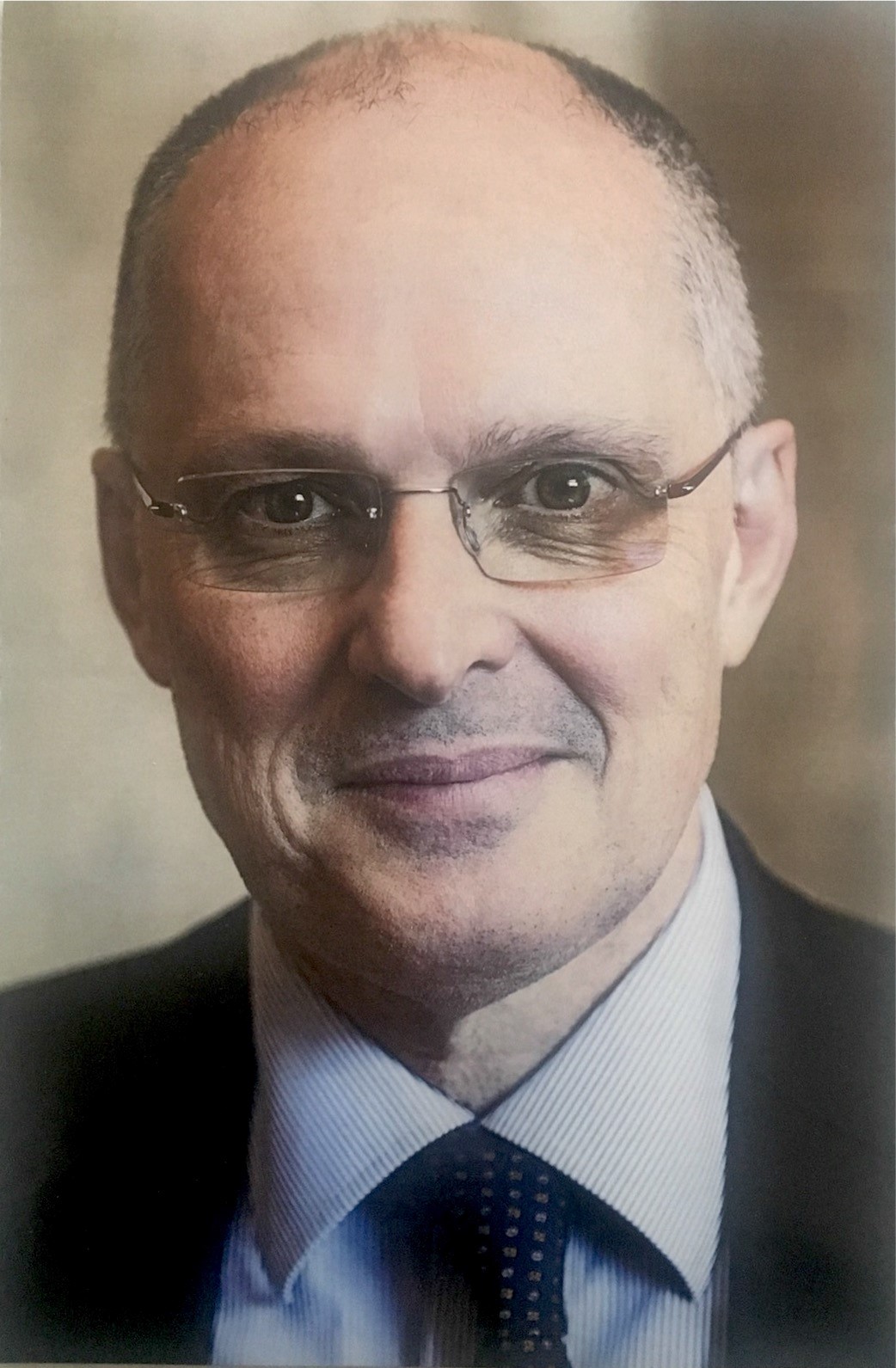
Walter Ricciardi, born Gualtiero Ricciardi on April 17, 1959, in Naples, Italy, is a prominent figure in the fields of public health, medicine, and academia. Known for his extensive work in public health and his significant role during the COVID-19 pandemic, Ricciardi’s career has been marked by a dedication to improving public health systems both in Italy and internationally. His life story is not only one of academic and professional achievements but also of a unique journey that includes a brief stint in the entertainment industry.
Early Life and Education
Walter Ricciardi was born into a family with deep roots in Naples. His early education set the foundation for a career in medicine and public health. Ricciardi pursued his medical studies with a focus on hygiene and preventive medicine, a field that would later define his professional life. His dedication to this discipline led him to become a professor of Hygiene and Preventive Medicine, where he has influenced many students and future public health professionals.
Ricciardi’s academic career is distinguished by his role in founding and directing the Osservatorio Italiano sulla Salute nelle Regioni Italiane (Italian Observatory on Health in the Italian Regions) in 2002. This institution has played a crucial role in monitoring and improving public health standards across Italy. His work in this area has been recognized both nationally and internationally, positioning him as a leading expert in public health.
Career in Public Health and Academia
Walter Ricciardi’s career in public health is extensive and impactful. As a professor and researcher, he has contributed significantly to the understanding and improvement of public health practices in Italy and Europe. His involvement with the Università Cattolica del Sacro Cuore, where he served as Vice Dean of the Faculty of Medicine and Surgery, highlights his commitment to medical education and public health.
Ricciardi’s influence extends beyond Italy. He was the first non-English editor of the “Oxford Handbook of Public Health Practice,” published by Oxford University Press, a significant achievement that underscores his international recognition. Additionally, he became the first non-American member of the National Board of Medical Examiners in the United States, further solidifying his global impact on public health education and policy.
In his role as President of the European Association of Public Health (EUPHA) from 2010 to 2014, Ricciardi led efforts to unify public health practices across European countries, emphasizing the importance of a coordinated approach to health policy. His leadership in this organization reflects his dedication to enhancing public health standards on a continental scale.
Leadership in Italian Public Health
One of Ricciardi’s most notable contributions to public health in Italy was his tenure as President of the Istituto Superiore di Sanità (ISS), Italy’s leading public health institute. Appointed in September 2015, Ricciardi served as President until January 2019. During this period, he focused on improving the institute’s research capabilities and its role in shaping health policies.
However, Ricciardi’s tenure at the ISS was not without challenges. He resigned in January 2019, citing difficulties in collaboration with the Italian government under Prime Minister Giuseppe Conte’s first administration. Ricciardi publicly expressed concerns over what he perceived as the government’s lack of scientific support and the promotion of “anti-scientific” positions by some members of the administration. Despite these challenges, his time at the ISS was marked by significant achievements, including his efforts to enhance Italy’s public health infrastructure and response capabilities.
International Recognition and Honors
Walter Ricciardi’s contributions to public health have earned him numerous awards and honors. In 2017, he was appointed Commendatore of the Republic of Italy by President Sergio Mattarella, a prestigious honor recognizing his exceptional contributions to science and public health. This recognition was a testament to Ricciardi’s influence in shaping health policies and improving public health systems in Italy.
In November 2017, the Italian government, under Prime Minister Paolo Gentiloni, appointed Ricciardi as Italy’s representative on the board of the World Health Organization (WHO) for the 2017-2020 term. This role allowed Ricciardi to contribute to global health initiatives and represent Italy on the international stage, further extending his influence in public health.
Walter Ricciardi’s Role During the COVID-19 Pandemic
Walter Ricciardi became a household name in Italy during the COVID-19 pandemic. In 2020, as the pandemic spread across the globe, Ricciardi was appointed as a special advisor to Italy’s Minister of Health, Roberto Speranza. His role was to provide expert guidance on managing the crisis and implementing public health measures to control the spread of the virus.
Ricciardi’s frequent appearances on television and in the media made him a key figure in Italy’s response to the pandemic. He was often called upon to explain the government’s health policies and the scientific rationale behind them. His clear communication and authoritative presence helped to inform the public and calm anxieties during a time of great uncertainty.
In 2022, Ricciardi published a book titled Pandemonio. Quello che è successo, quello che non dovrà più succedere (Pandemonium. What Happened, What Must Never Happen Again), in which he reflects on the pandemic, the response of the Italian health system, and the lessons that must be learned to prevent future health crises. The book is both a critical analysis and a call to action, urging reforms in public health to better prepare for future pandemics.
A Surprising Chapter: Ricciardi’s Acting Career
Before his illustrious career in medicine and public health, Walter Ricciardi had a brief but notable stint as a child actor. In the 1960s, as a young boy, Ricciardi appeared in the television series “I ragazzi di padre Tobia” and later in various Italian TV dramas such as “La freccia nel fianco,” “Dramma d’amore,” and “Un eroe del nostro tempo.” His acting career continued into the 1980s, where he appeared alongside prominent Italian actors such as Alida Valli, Michele Placido, Stefania Sandrelli, Giuliana De Sio, and Maria Schneider.
Ricciardi’s acting roles, particularly in films like “Io sono mia” (1978), “L’ultimo guappo” (1978), “Il mammasantissima” (1979), and “Napoli… la camorra sfida, la città risponde” (1979), demonstrated his versatility and talent in the performing arts. While his acting career eventually took a backseat to his medical pursuits, this chapter of his life adds an intriguing dimension to his personal story.
Legacy and Impact
Walter Ricciardi’s career is a testament to his dedication to public health and his unwavering commitment to improving health outcomes on a national and international level. His contributions to public health policy, education, and research have had a lasting impact, not only in Italy but around the world.
Ricciardi’s role during the COVID-19 pandemic showcased his ability to lead in times of crisis, offering expert guidance and clear communication when it was most needed. His insights into public health have been instrumental in shaping Italy’s response to the pandemic and will likely influence future public health policies.
As a public health expert, academic, and former actor, Ricciardi’s life is a unique blend of science, leadership, and the arts. His journey from the streets of Naples to the corridors of the WHO is an inspiring story of resilience, dedication, and a passion for making the world a healthier place.
Walter Ricciardi continues to be a prominent voice in public health, advocating for science-based policies and the importance of preparedness in the face of global health threats. His legacy will be one of leadership, innovation, and a relentless pursuit of excellence in the field of public health.


