
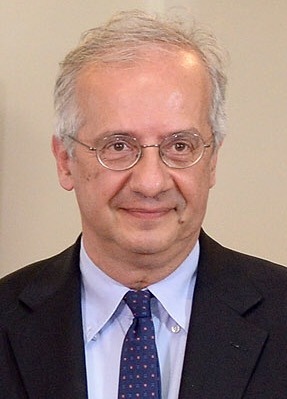
Walter Veltroni is a prominent figure in Italian politics, journalism, and culture. Born on July 3, 1955, in Rome, Italy, Veltroni has carved out a distinguished career that spans several decades and various fields. He is best known for his role as the first leader of the Democratic Party of Italy (Partito Democratico) and as a former Mayor of Rome. However, Veltroni’s influence extends far beyond his political accomplishments, encompassing significant contributions to journalism, literature, and film. This article explores the life, achievements, and legacy of Walter Veltroni, highlighting the key moments that have defined his career and examining his impact on Italian society.
Early Life and Education: The Seeds of a Political Career
Walter Veltroni was born into a family deeply rooted in journalism and public service. His father, Vittorio Veltroni, was a respected journalist who worked for RAI, Italy’s national public broadcasting company. Tragically, Walter lost his father when he was just one year old, an event that would profoundly shape his life. Raised by his mother, Veltroni grew up in Rome, where he developed a keen interest in journalism and politics, inspired in part by his father’s legacy.
Veltroni’s education and early life were marked by a strong commitment to social justice and public service. He became actively involved in politics during his teenage years, joining the Italian Communist Youth Federation (FGCI), the youth wing of the Italian Communist Party (PCI). His involvement in the FGCI marked the beginning of a lifelong dedication to political activism, characterized by a desire to bridge the gap between different social classes and promote progressive values.
Rise in Politics: From Local Governance to National Influence
Walter Veltroni’s political career officially began in 1976 when he was elected as a municipal councilor in Rome. This early experience in local government provided Veltroni with a practical understanding of the challenges and responsibilities of public service. Over the next decade, he continued to build his political career, focusing on issues related to social justice, culture, and urban development.
In 1987, Veltroni was elected to the Italian Parliament for the first time, representing the PCI. This election marked a significant turning point in his career, as he transitioned from local politics to the national stage. Veltroni quickly became known for his eloquence, vision, and ability to connect with a broad spectrum of the electorate. His political acumen earned him a place on the Central Committee of the PCI in 1988, where he played a crucial role in the party’s transformation.
Veltroni was a key figure in the transition of the PCI into the Democratic Party of the Left (PDS) following the fall of the Berlin Wall and the collapse of communism in Eastern Europe. He supported the leadership of Achille Occhetto, who sought to modernize the party and distance it from its communist roots. This transition was not without controversy, but Veltroni’s advocacy for a more centrist, social-democratic approach helped the PDS emerge as a significant force in Italian politics.
Leadership Roles and Cultural Advocacy
In 1992, Veltroni was appointed as the editor-in-chief of L’Unità, the official newspaper of the PDS. Under his leadership, the newspaper maintained its influence as a voice of the Italian left while also adapting to the rapidly changing media landscape of the early 1990s. Veltroni’s tenure at L’Unità further solidified his reputation as a thoughtful and articulate leader, capable of balancing the demands of journalism and politics.
Veltroni’s political career continued to ascend in the mid-1990s. In 1996, he was appointed Deputy Prime Minister and Minister of Cultural Heritage and Activities in Romano Prodi’s government. This position allowed Veltroni to merge his passion for culture with his political work. During his tenure, he championed the preservation of Italy’s cultural heritage, supported the arts, and promoted Italy as a global cultural hub. His efforts earned him recognition both in Italy and abroad, culminating in the French government awarding him the Legion of Honour in 2000.
Mayor of Rome: Transforming the Eternal City
One of the most significant chapters in Walter Veltroni’s career began in 2001 when he was elected Mayor of Rome. His victory was seen as a turning point for the city, as Veltroni promised to bring about a new era of modernization and inclusivity. During his time as mayor, Veltroni implemented a series of ambitious projects aimed at improving the city’s infrastructure, enhancing public services, and fostering cultural development.
One of Veltroni’s most notable achievements as mayor was the establishment of the Rome Film Festival in 2006. The festival quickly gained international acclaim, attracting filmmakers, actors, and cinema enthusiasts from around the world. Veltroni’s vision for the festival was to create an event that celebrated both Italian and global cinema while promoting Rome as a cultural capital. The success of the festival was a testament to Veltroni’s commitment to culture and his ability to translate his ideas into concrete initiatives.
Veltroni also focused on social policies during his tenure as mayor. He introduced measures to support the city’s most vulnerable populations, including initiatives to improve housing, healthcare, and education. His approach to governance was characterized by a desire to create a more inclusive and equitable city, where all residents could share in Rome’s prosperity.
Veltroni’s popularity as mayor was reflected in his re-election in 2006, where he secured an overwhelming 61.45% of the vote, the highest electoral margin in the city’s history. His time as mayor was widely regarded as successful, and he left office in 2008 with a legacy of significant achievements that had transformed Rome.
Founding the Democratic Party: A New Vision for Italy
Walter Veltroni’s political career reached its zenith in 2007 when he was chosen to lead the newly formed Democratic Party (Partito Democratico or PD). The PD was created through the merger of several center-left parties, including the Democrats of the Left (DS) and The Daisy (La Margherita). The party aimed to create a broad, inclusive platform that could appeal to a wide range of voters and challenge the dominance of Silvio Berlusconi’s center-right coalition.
As the first leader of the PD, Veltroni sought to position the party as a modern, progressive force in Italian politics. He emphasized the importance of economic reform, social justice, and environmental sustainability. Veltroni’s leadership was characterized by his efforts to build a more cohesive and united center-left movement, capable of offering a credible alternative to Berlusconi’s populist rhetoric.
However, the 2008 general elections proved to be a challenging moment for Veltroni and the PD. Despite running a dynamic and energetic campaign, the PD was defeated by Berlusconi’s center-right coalition. The loss was a significant blow to Veltroni’s political ambitions, and in 2009, following another electoral defeat in the Sardinian regional elections, he resigned as party leader. His departure marked the end of a critical phase in the PD’s development, and Veltroni’s influence within the party began to wane.
Life After Politics: Film, Writing, and Continued Advocacy
After stepping down from active political leadership, Walter Veltroni shifted his focus to other areas of interest, particularly film and literature. In 2014, he directed his first documentary film, Quando c’era Berlinguer, which explored the life and legacy of Enrico Berlinguer, the former leader of the Italian Communist Party. The film was well-received and marked Veltroni’s successful entry into the world of cinema.
Following the success of his first film, Veltroni continued to explore filmmaking as a medium for storytelling and social commentary. In 2015, he released I bambini sanno, a documentary that captured the thoughts and perspectives of children on various issues, including love, family, and society. The film was praised for its poignant and insightful portrayal of contemporary life through the eyes of young people.
Veltroni also returned to his roots as a writer, publishing several books that reflected his diverse interests and experiences. His works include novels, essays, and memoirs that explore themes ranging from political history to personal reflections on life and loss. Notable among these is his 2015 novel Ciao, which is a deeply personal exploration of his relationship with his late father.
Legacy and Impact on Italian Society
Walter Veltroni’s contributions to Italian society are multifaceted and enduring. As a politician, he played a crucial role in shaping the direction of the Italian left during a period of significant transformation. His leadership helped to modernize the center-left movement in Italy, and his vision for a more inclusive and equitable society continues to resonate with many Italians.
In addition to his political achievements, Veltroni’s work in the cultural sphere has left a lasting impact. His efforts to promote Italian cinema, literature, and the arts have enriched the country’s cultural landscape, and his films and writings continue to inspire new generations of artists and thinkers.
Veltroni’s legacy is also marked by his commitment to social justice and public service. Throughout his career, he has consistently advocated for policies that support the most vulnerable members of society, and his work as Mayor of Rome and leader of the PD reflects his dedication to these principles.
Conclusion: Walter Veltroni’s Enduring Influence
Walter Veltroni’s life and career exemplify the power of leadership, vision, and a commitment to public service. From his early days as a young political activist to his role as a national leader, Veltroni has consistently sought to make a positive impact on Italian society. His contributions to politics, culture, and social advocacy have left an indelible mark on Italy, and his legacy will continue to influence the country’s future for years to come.
As Veltroni continues to explore new avenues of creativity and expression, his work remains a testament to the importance of staying engaged, curious, and committed to the betterment of society. Whether through his films, writings, or ongoing advocacy, Walter Veltroni’s influence will undoubtedly endure, inspiring future generations to pursue their own paths of leadership and service.


