
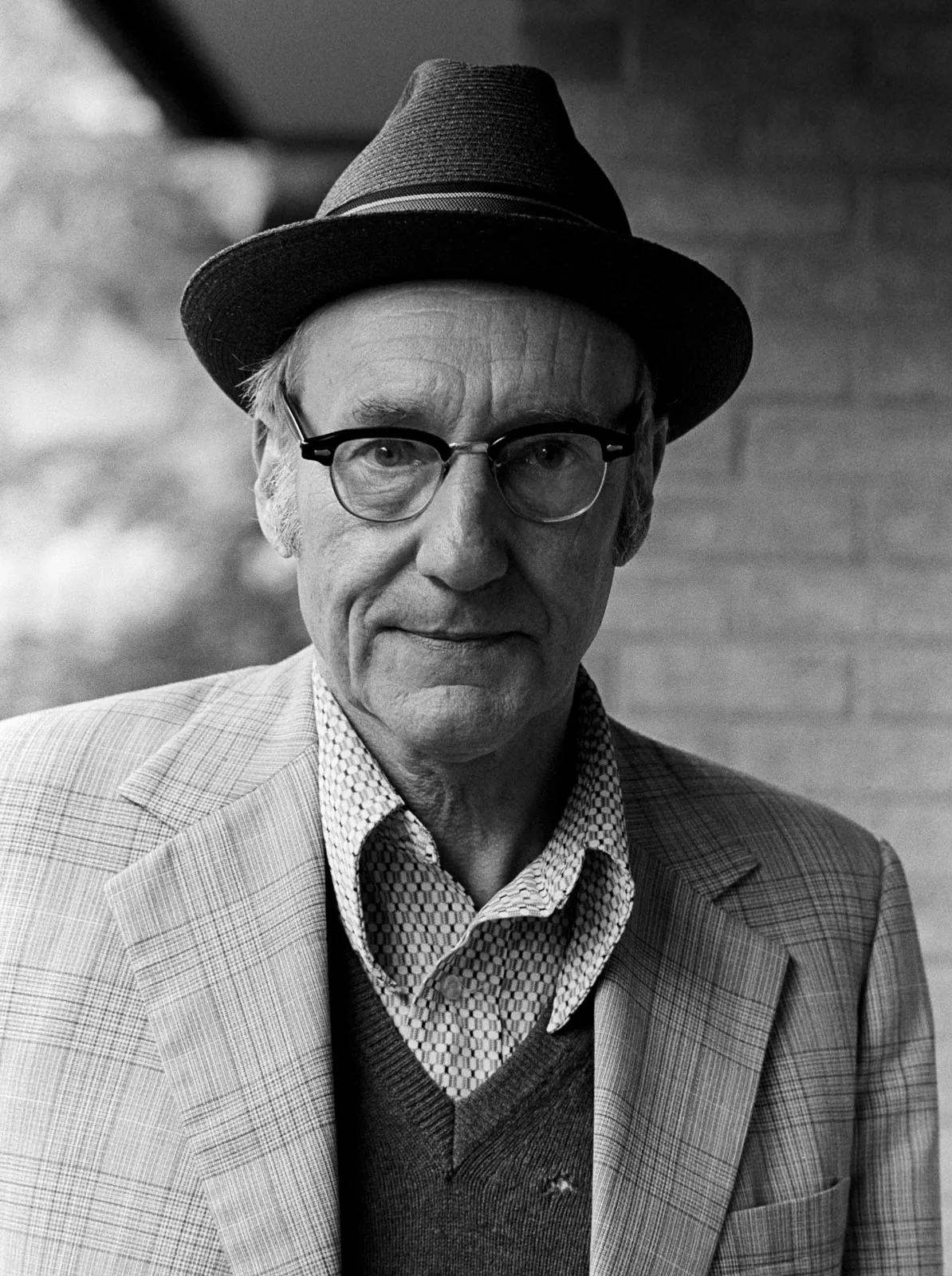
William S. Burroughs, a towering figure in 20th-century literature, is renowned for his pioneering work in the realms of modernist literature and countercultural thought. Born on February 5, 1914, in St. Louis, Missouri, Burroughs’ unconventional writing style and avant-garde perspectives made him a central figure in the Beat Generation and a significant influence on contemporary literature and culture. This comprehensive exploration delves into Burroughs’ life, career, and enduring impact.
Early Life and Background
William Seward Burroughs was born into a wealthy family in St. Louis, Missouri. His father, Mortimer Burroughs, was a successful businessman and inventor, known for developing the Burroughs Adding Machine. His mother, Laura Lee, was a socialite and homemaker. Despite the privilege of his upbringing, Burroughs experienced a troubled childhood marked by a sense of alienation and a lack of direction.
Key Points:
- Date of Birth: February 5, 1914
- Birthplace: St. Louis, Missouri, USA
- Parents: Father – Mortimer Burroughs, inventor; Mother – Laura Lee, homemaker
Burroughs attended Harvard University, where he studied English and the humanities. His time at Harvard was marked by a growing interest in literature and a burgeoning sense of rebellion against societal norms. After graduating in 1936, Burroughs embarked on a series of travels and experiments, which would later influence his literary work.
Education:
- Institution: Harvard University
- Field of Study: English and the humanities
- Influences: Harvard experience contributed to his later experimental writing style.
Early Career and Initial Writings
Burroughs’ early career was marked by a series of diverse and often unremarkable jobs. His experiences during this period, including time spent in Mexico and South America, would later provide rich material for his writing. His first major literary work, “Junkie” (1953), was an autobiographical novel that explored his own experiences with drug addiction.
Key Works:
- “Junkie” (1953): A semi-autobiographical novel detailing Burroughs’ experiences with drug addiction and the criminal underworld. It marked his debut into the literary world and set the stage for his later, more experimental works.
Burroughs’ groundbreaking novel “Naked Lunch” (1959) is often considered his masterpiece and a pivotal work in the history of literature. The novel’s fragmented structure and unconventional narrative style challenged traditional literary forms and established Burroughs as a leading figure in the Beat Generation.
Significant Achievements:
- “Naked Lunch” (1959): A highly controversial and influential novel that pushed the boundaries of literature with its fragmented structure, explicit content, and themes of drug addiction and social decay. It played a crucial role in the development of the postmodern novel.
Major Works and Literary Innovations
Burroughs’ writing is characterized by its experimental style and exploration of themes related to control, addiction, and societal norms. His works often employ a cut-up technique, a method of writing where texts are cut and rearranged to create new meanings. This technique, which Burroughs developed alongside artist Brion Gysin, became a hallmark of his literary style.
Key Literary Innovations:
- Cut-Up Technique: A method of creating text by cutting and rearranging words, which Burroughs used to challenge conventional narrative forms and explore new possibilities in writing.
- “The Soft Machine” (1961) and “The Ticket That Exploded” (1962): Subsequent novels that continued to experiment with the cut-up technique and explored themes of mind control and societal manipulation.
Burroughs’ influence extended beyond literature into other artistic fields, including music and visual arts. His collaborations with musicians such as David Bowie and his impact on the punk rock movement underscore his role as a cultural innovator.
Collaborations and Impact:
- Music: Burroughs’ work influenced musicians like David Bowie and Iggy Pop, who incorporated his themes and style into their own music.
- Visual Arts: Burroughs’ cut-up technique and visual aesthetics influenced artists and filmmakers, including those associated with the punk rock and avant-garde movements.
Personal Life and Challenges
Burroughs’ personal life was marked by numerous struggles, including battles with drug addiction and legal issues. His tumultuous relationships and unconventional lifestyle often made headlines and added to his mystique as a literary figure. Despite these challenges, Burroughs remained a prolific writer and continued to produce influential work throughout his life.
Personal Struggles:
- Drug Addiction: Burroughs’ struggles with addiction were a significant aspect of his life and work, influencing much of his writing and contributing to his reputation as a countercultural icon.
- Legal Issues: His legal troubles, including arrests and run-ins with the law, were often linked to his unconventional lifestyle and drug use.
Despite these difficulties, Burroughs maintained a reputation as a fearless and innovative writer. His ability to confront controversial subjects and challenge societal norms earned him respect and admiration within literary circles and beyond.
Later Years and Legacy
In his later years, Burroughs continued to write and lecture, maintaining a presence in the literary and cultural worlds. His later works, including “The Nova Trilogy” and “The Western Lands,” further explored his themes of control and societal manipulation.
Later Works:
- “The Nova Trilogy”: A series of novels that continued to explore Burroughs’ themes of control, addiction, and societal decay.
- “The Western Lands” (1987): A novel that combines elements of his earlier works with new explorations of death and the afterlife.
Burroughs’ impact on literature and culture is profound and enduring. His experimental writing style, controversial themes, and innovative techniques have left a lasting mark on the literary world. Burroughs’ influence can be seen in the works of subsequent writers and artists who have embraced his unconventional approach to storytelling and creative expression.
Legacy:
- Literary Influence: Burroughs’ work has influenced a wide range of writers and artists, including those in the postmodern and experimental literary traditions.
- Cultural Impact: His exploration of countercultural themes and unconventional narrative techniques has had a lasting impact on contemporary art, music, and literature.
Historical and Cultural Context
William Burroughs’ work emerged during a period of significant cultural and social change in the mid-20th century. The Beat Generation, of which Burroughs was a prominent member, challenged traditional societal norms and explored themes of rebellion, nonconformity, and alternative lifestyles. Burroughs’ writing, with its focus on addiction, control, and societal manipulation, resonated with the countercultural movements of the time and continues to be relevant in discussions of social and psychological issues.
Historical Context:
- The Beat Generation: A literary and cultural movement that sought to break away from conventional norms and explore new forms of artistic expression.
- Countercultural Movements: The 1960s and 1970s were marked by widespread social and political upheaval, which influenced Burroughs’ writing and themes.
Burroughs’ work remains a critical point of reference for understanding the evolution of modern literature and the broader cultural landscape of the 20th century. His ability to push boundaries and challenge norms has cemented his place as a key figure in literary history.
Conclusion
William S. Burroughs is a seminal figure in 20th-century literature, known for his innovative writing style and exploration of unconventional themes. His contributions to the Beat Generation and modernist literature have left an indelible mark on the literary world. From his early works like “Junkie” and “Naked Lunch” to his later experiments with the cut-up technique and themes of control, Burroughs’ legacy continues to influence writers, artists, and cultural thinkers.
As we reflect on Burroughs’ life and work, it is clear that his unique approach to storytelling and his fearless exploration of controversial subjects have made him a lasting and influential figure in contemporary literature and culture. His impact on the literary world and beyond endures, demonstrating the power of innovation and creativity in shaping artistic expression.


