
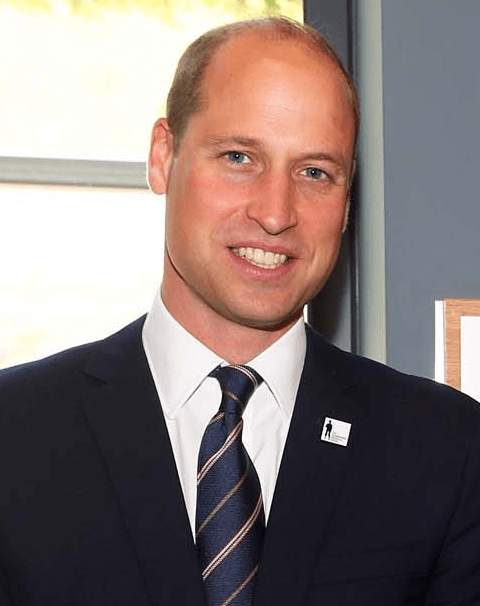
William Arthur Philip Louis Mountbatten-Windsor, more commonly known as Prince William, Duke of Cambridge, is a significant figure in the British royal family and global public life. Born on June 21, 1982, in London, Prince William is the eldest son of Charles III, the current King of the United Kingdom, and the late Diana, Princess of Wales. As the grandson of Queen Elizabeth II, William is second in line to the British throne, following his father. This article delves into the life, achievements, and legacy of Prince William, exploring the nuances of his upbringing, his public life, and his role in the future of the British monarchy.
Early Life and Education
Prince William was born into a world of privilege, duty, and intense public scrutiny. His early years were marked by a traditional royal upbringing, which combined both the expectations of royalty and a relatively normal childhood. William was baptized on August 4, 1982, by the Archbishop of Canterbury, Robert Runcie, in a ceremony attended by several European royal figures, reflecting his status as a future king.
William’s education began at Mrs. Mynors School and Wetherby School in London, where he attended from 1987 to 1990. He then moved on to Ludgrove School in Berkshire, continuing his studies until 1995. It was during these formative years that William experienced the first major upheaval in his life: the separation of his parents in 1992. The divorce of Charles and Diana was a highly publicized event, and the intense media scrutiny that surrounded it added a layer of complexity to William’s already challenging life as a royal.
In 1997, tragedy struck when William was just 15 years old. His mother, Diana, died in a car accident in Paris, a loss that shook the world and had a profound impact on William and his younger brother, Prince Harry. The funeral, held at Westminster Abbey, was watched by millions around the globe, with William and Harry walking behind their mother’s coffin in a highly emotional and symbolic procession.
Academic Pursuits and Military Service
After completing his education at Eton College in 2000, Prince William took a gap year, a common practice among young British royals and aristocrats. During this time, he engaged in various activities, including voluntary work in Chile, where he helped build homes for the less fortunate. This period was crucial in shaping William’s understanding of social responsibility and his commitment to public service.
In 2001, William enrolled at the University of St. Andrews in Scotland, where he studied geography. It was here that he met his future wife, Catherine “Kate” Middleton, who would later become the Duchess of Cambridge. William graduated with a degree in geography in 2005, earning high marks and demonstrating a strong academic ability.
Following his university education, Prince William joined the British military, a tradition for many male members of the royal family. He attended the Royal Military Academy Sandhurst, where he underwent rigorous training to become an officer. In 2006, William was commissioned as a second lieutenant in the Household Cavalry, specifically the Blues and Royals regiment. His military career was notable for its seriousness and dedication, and he eventually achieved the rank of captain. William’s service included various roles, but due to his status, he was kept from active combat in conflict zones.
Public Life and Royal Duties
As a senior member of the British royal family, Prince William has taken on numerous official duties and responsibilities. His public role began in earnest after his military service, and he has since become a central figure in the monarchy’s outreach efforts. William’s approach to his royal duties has been heavily influenced by the legacy of his mother, Diana, who was known for her compassion and dedication to humanitarian causes.
One of William’s key roles is his involvement in charitable activities. He serves as the patron of several organizations, including Centrepoint, a charity focused on helping homeless young people in the UK. This role is particularly poignant, as Diana was also a patron of Centrepoint, and William’s involvement continues her legacy. Additionally, William is the president of the Football Association (FA), a role he took over from his uncle, Prince Andrew, Duke of York. His passion for sports, particularly football and rugby, is well-known, and he has used these interests to promote various charitable causes.
William’s marriage to Kate Middleton in 2011 was a significant event in royal history. The couple’s relationship had been closely followed by the media, and their wedding at Westminster Abbey was watched by millions worldwide. The marriage marked a new chapter in William’s life, solidifying his role as a future king alongside Kate, who has since become a beloved figure in her own right. The couple has three children: Prince George, Princess Charlotte, and Prince Louis, who are also in line for the throne.
Legacy and Future Prospects
As the future king, Prince William’s life and actions are closely watched by the public and the media. His leadership style is often compared to that of his grandmother, Queen Elizabeth II, who was known for her steadfastness and dedication to duty. William has made it clear that he intends to continue this tradition while also modernizing the monarchy to better reflect contemporary society.
One of the significant aspects of William’s potential reign is his connection to both the Tudor and Stuart dynasties through his mother’s lineage. This unique heritage, coupled with his father’s direct line to the current royal family, positions William as a monarch who embodies the continuity and evolution of the British monarchy. Should he choose to retain his current name upon ascension, he would be known as William V, a title steeped in history and significance.
William’s approach to his future role as king is characterized by a balance of tradition and innovation. He has shown a willingness to embrace modern values, particularly in areas such as mental health, environmental conservation, and social equality. These are causes he has championed both publicly and privately, often using his platform to raise awareness and drive change. His work in mental health, for example, includes the Heads Together campaign, which he launched alongside Kate and Harry to combat the stigma surrounding mental health issues.
Historical Context and Nuances
Understanding Prince William’s life and legacy requires a broader perspective on the historical and social context in which he has grown up. The British monarchy, one of the oldest and most recognized institutions in the world, has undergone significant changes over the centuries. From the tumultuous periods of civil war and the establishment of constitutional monarchy to the modern-day challenges of public scrutiny and media intrusion, the role of the British monarch has continually evolved.
William’s life has been shaped by these historical forces, as well as by the personal experiences of his parents and grandparents. His mother’s tragic death, in particular, has had a lasting impact on how he views the media and his responsibilities as a public figure. Diana’s struggles with the press and her efforts to protect her children from its influence have undoubtedly influenced William’s approach to his own family and his public life.
Furthermore, William’s education and military service have provided him with a unique perspective on leadership and service. His time at Eton and St. Andrews, coupled with his experiences in the military, have instilled in him a strong sense of duty and a commitment to serving his country. These experiences have also helped him develop a more modern and relatable image, which has resonated with many people both in the UK and around the world.
Conclusion
Prince William, Duke of Cambridge, stands at a pivotal point in the history of the British monarchy. His life has been marked by both privilege and tragedy, and his journey from a young prince to a future king has been watched by millions around the globe. As he prepares to take on the mantle of kingship, William’s legacy will likely be defined by his ability to balance tradition with modernity, and his commitment to serving the people of the United Kingdom and the Commonwealth.
In many ways, William represents the future of the British monarchy—a future that is rooted in history but also adaptable to the changing times. As he continues to navigate the complexities of his role, Prince William’s life and legacy will undoubtedly leave a lasting impact on the monarchy and the world.


